TL;DR:
- A systematic cleaning process reduces vacancy time and boosts tenant satisfaction.
- Proper attention to LA-specific challenges like hard water stains and pet odors is essential.
- High-quality turnovers build trust, attract better tenants, and improve long-term property returns.
Restoring a vacant unit to showroom condition under time pressure is one of the most demanding tasks a Los Angeles property owner faces. Every day a unit sits empty costs money, and a poorly cleaned space can delay re-leasing by weeks or trigger negative reviews before a new tenant even unpacks. A systematic turnover cleaning process is critical to reducing vacancy and maximizing tenant satisfaction in LA. This guide walks you through the exact workflow, room-by-room priorities, cost benchmarks, and quality control steps that separate average turnovers from ones that earn long-term tenant loyalty.
Table of Contents
- Establish a systematic turnover cleaning workflow
- Room-by-room cleaning priorities and LA-specific challenges
- Turnover timing, cost benchmarks, and labor strategies
- Quality control: Inspections, checklists, and documentation
- Why turnover cleaning wins or loses tenant trust: Lessons from real LA experience
- Get flawless LA turnovers with expert cleaning support
- Frequently asked questions
Key Takeaways
| Point | Details |
|---|---|
| Standardized workflow | A top-to-bottom, checklist-driven process ensures no detail is overlooked. |
| Room-specific focus | Special attention to kitchens, baths, and LA-specific issues like hard water and dust. |
| Smart scheduling | Overlapping cleaning, repairs, and marketing reduces lost rent days. |
| Meticulous inspection | Use photo documentation and secondary walkthroughs to guarantee quality and reduce disputes. |
| Long-term reputation | Consistent, thorough turnovers protect property value and earn tenant trust. |
Establish a systematic turnover cleaning workflow
With the stakes set, it’s crucial to start your turnover process with a methodical approach. Improvising on the day of cleaning leads to missed spots, repeat visits, and frustrated tenants. A structured system eliminates guesswork and keeps your team moving efficiently from start to finish.
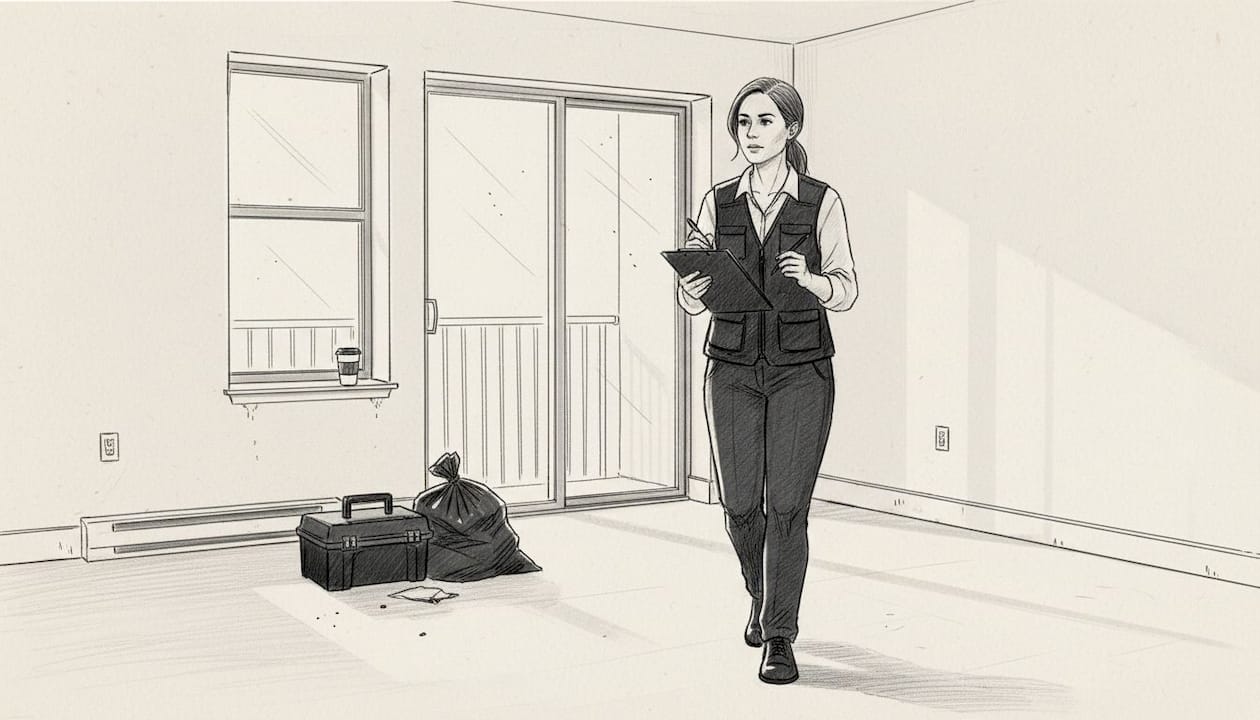
Begin every turnover with a pre-cleaning walk-through. Remove all debris, forgotten personal items, and trash before a single cleaning product is opened. This step prevents cross-contamination and gives you a clear picture of the scope of work ahead.
From there, follow a strict top-to-bottom, dry-before-wet sequence. Dust ceiling fans and light fixtures first, then work down to countertops and finally floors. Dry tasks like dusting always come before wet tasks like mopping, so you never push dirt onto surfaces you’ve already cleaned.
High-touch and often overlooked areas deserve dedicated attention on every turn. Use a detailed LA cleaning checklist to make sure nothing slips through. Key areas that get skipped most often include:
- Light switches and outlet covers
- Door handles and cabinet knobs
- Baseboards and window sills
- Blinds and window tracks
- Exhaust fan covers and HVAC vents
Odor is one of the first things a prospective tenant notices. Build a final smell test into every workflow, checking closets, bathrooms, and kitchen cabinets for lingering odors before signing off. Industry resources like turnover cleaning protocols recommend focusing on high-touch areas, kitchen, bath, appliances, baseboards, windows, and final odor tests for every turnover. The NAA’s Make-Ready Board and MMR checklists serve as widely used industry standard tools that give your team a consistent framework to follow.
For best practices for real estate cleaning, pairing these checklists with clear role assignments keeps accountability high.
Pro Tip: Assign one person to photo document every room before and after cleaning, then have a second team member complete a “white glove” walkthrough independently. This two-step review catches costly mistakes before the keys change hands.
Room-by-room cleaning priorities and LA-specific challenges
Once you have a system, focus shifts to the nuanced demands of each room and LA’s unique cleaning scenarios. Los Angeles properties face specific challenges that standard checklists from other markets don’t always address, including heavy dust accumulation, hard water mineral deposits, and the aftermath of pet-friendly rentals.
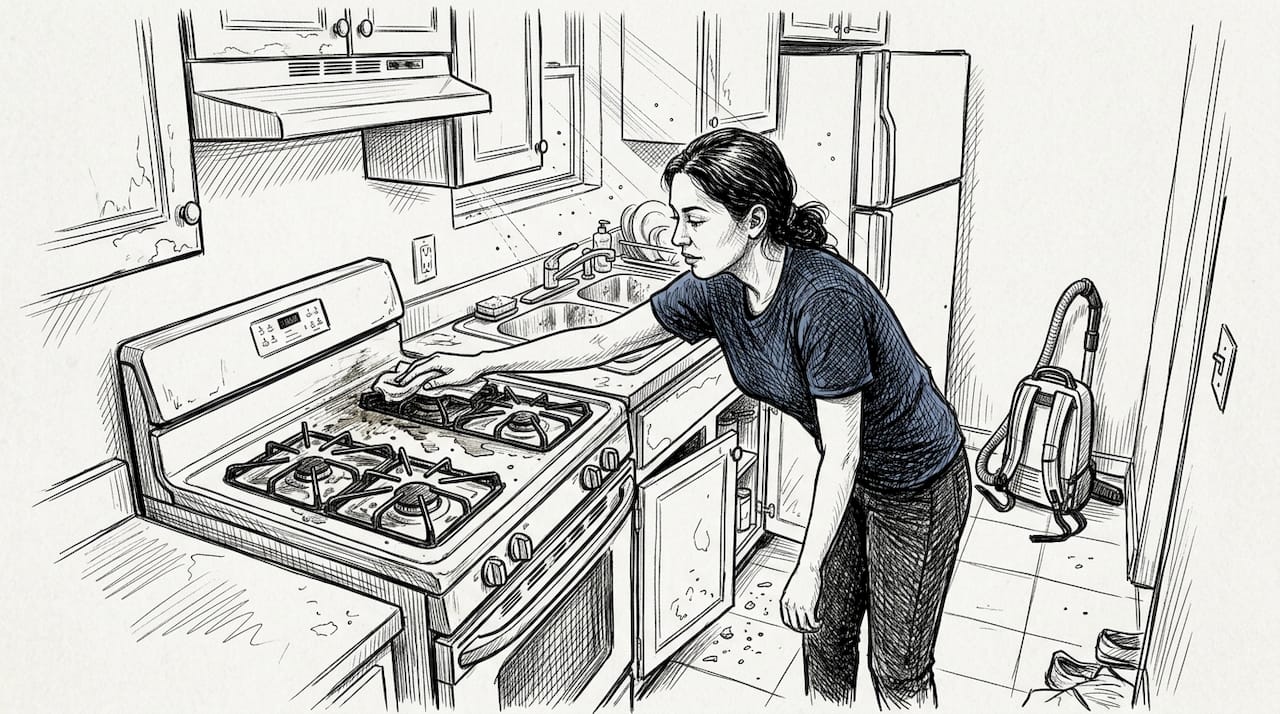
Kitchen: Degrease the stovetop, oven interior, and range hood thoroughly. Wipe down cabinet interiors and the spaces behind and beneath appliances. Grease buildup in these hidden zones is a common inspection failure point.
Bathroom: Scrub grout lines, descale showerheads, and treat tiles for mineral staining. LA’s hard water leaves calcium and lime deposits that require an acidic cleaner to dissolve properly. Skipping this step leaves visible residue that signals neglect to incoming tenants.
Living areas and bedrooms: Detail-vacuum along all edges and baseboards, where LA’s dry climate pushes fine dust into corners. Clean every window track and blind slat, as these collect grime faster here than in more humid markets.
Pet-occupied units require extra effort. Edge cases like pet odors, heavy grease, and hard water require additional passes on flooring and upholstery, plus targeted odor neutralization products rather than masking sprays.
For broader LA region cleaning tips, understanding how local air quality and climate affect indoor surfaces helps you prioritize the right tasks.
Here is a quick room-by-room priority breakdown:
- Kitchen: Appliance interiors, grease zones, cabinet interiors, under-sink area
- Bathroom: Grout, showerhead descaling, hard water stains, caulk lines
- Bedrooms: Edge vacuuming, window tracks, closet shelves, light fixtures
- Living room: Baseboards, blinds, ceiling fans, high-touch hardware
For a thorough reference, the apartment cleaning checklist from rental real estate professionals covers all standard surfaces in detail.
“A final odor/smell test and attention to LA hard water stains go a long way in passing tough inspections.”
Finish each room by rechecking all hardware. Polish handles, knobs, and faucets to a streak-free shine. These small finishing touches are what separate a clean unit from a move-in ready unit.
Turnover timing, cost benchmarks, and labor strategies
Knowing where to focus room-by-room, the next step is to master time, cost, and labor for optimal turnover results. In LA, time is money, and a poorly scheduled turnover can push your vacancy window from days into weeks.
Realistic time expectations matter. A standard turnover takes 2 to 4 hours, a detailed clean runs 4 to 6 hours, and a heavy recovery after a long-term or neglected tenancy can exceed 6 hours. Plan your schedule around these benchmarks, not wishful thinking.
On the cost side, total turnover costs can reach $3,000 to $5,000 for a $1,500 per month LA unit, with a full turn taking 14 to 21 days when proper systems are followed. That figure includes cleaning, minor repairs, and staging, so isolating your cleaning budget helps you track efficiency over time.
| Cleaning type | Estimated time | Estimated cost |
|---|---|---|
| Standard clean | 2 to 4 hours | $150 to $300 |
| Detail clean | 4 to 6 hours | $300 to $500 |
| Heavy recovery | 6+ hours | $500 to $900+ |
| Full turnover (all tasks) | 14 to 21 days | $3,000 to $5,000 |
To reduce rental vacancy and keep costs in check, follow these steps in order:
- Send notice to your cleaning team the moment a move-out date is confirmed
- Schedule the walk-through inspection within 24 hours of vacancy
- Begin cleaning and repairs simultaneously where rooms allow
- Launch marketing photos and listings as soon as the first rooms are complete
- Conduct a final quality walkthrough before confirming move-in readiness
For a deeper breakdown of overlapping tasks, the efficient turnover guide covers scheduling strategies that cut downtime significantly. You can also reference the LA apartment turnover checklist for additional sequencing tips.
Pro Tip: Track labor hours per room over multiple turnovers. After three to five units, you’ll have real data to identify which rooms consistently run over time and where to invest in faster tools or additional staff.
Quality control: Inspections, checklists, and documentation
Once time and cost are under control, consistent quality control ensures your cleaning standards never slip. A single substandard turnover can generate a negative review that follows your property for years.
A standardized walkthrough checklist is your first line of defense. Final quality walkthroughs with photo documentation and a second set of eyes reduce rework and protect you from disputes. Every room should be photographed after cleaning, with images stored and timestamped for legal and compliance reference.
Here is how a systematic checklist approach compares to ad hoc cleaning:
| Factor | Standardized checklist | Ad hoc method |
|---|---|---|
| Consistency | High across all units | Varies by individual |
| Dispute protection | Strong, documented | Weak, no record |
| Rework rate | Low | High |
| Tenant satisfaction | Predictable | Unpredictable |
| Training new staff | Easy, replicable | Difficult |
White-glove tests and Make-Ready Board guidance prevent costly post-move-in fixes by catching issues before keys are handed over. Assign distinct roles: one person cleans, a second person inspects independently using the same checklist.
Essential documentation steps for every turnover include:
- Timestamped photos of every room before and after cleaning
- Signed checklist confirming each task was completed
- Notes on any damage found during the walk-through
- Record of any products used for odor treatment or stain removal
- Final sign-off from both the cleaner and the inspector
For a structured approach to the final inspection walkthrough, having a repeatable process means you can onboard new team members quickly without sacrificing standards.
Why turnover cleaning wins or loses tenant trust: Lessons from real LA experience
Most property managers treat turnover cleaning as a cost to minimize. We see it differently. In our experience working across Los Angeles, the quality of a turnover is often the first real message you send to a new tenant about how you’ll manage the relationship going forward.
New tenants make a judgment call within the first hour of moving in. If they find a sticky cabinet shelf or a bathroom that smells faintly of the previous occupant, they don’t just note the cleaning. They question whether their maintenance requests will be taken seriously. That emotional connection between cleanliness and trust is something most checklists never mention.
Attention to detail outlasts speed every time. A unit turned in five days with spotless corners and neutralized odors earns renewals. A unit rushed through in two days with visible dust on the baseboards earns complaints and early move-outs. The math on that is clear when you factor in the cost of another vacancy.
“In LA, the little things, neutralized odors, streak-free glass, spotless corners, become your reputation. Cutting corners might save hours, but it costs years of tenant loyalty.”
Investing in top-tier turnover practices is a business strategy. Properties known for clean, well-maintained units attract better applicants, command stronger rents, and generate word-of-mouth referrals. For more on how cleaning and renewals connect directly to long-term returns, the evidence is consistent: quality turns pay for themselves.
Get flawless LA turnovers with expert cleaning support
Ready to transform your turnover process and earn lasting tenant trust? Partnering with a team that understands the specific demands of Los Angeles properties makes the difference between a stressful vacancy and a smooth, fast re-lease.
The Maid Society specializes in LA move-in/move-out cleaning designed specifically for property owners and managers who need reliable, detail-oriented results on a tight schedule. Our fully vetted team follows a rigorous checklist, handles hard water stains, odor treatment, and every high-touch surface, so your unit is genuinely move-in ready. Explore our step-by-step move out guide to see exactly what a professional turnover covers, or reach out today for a custom quote tailored to your property.
Frequently asked questions
How long does turnover cleaning typically take in LA apartments?
Turnover cleaning usually takes 2 to 4 hours for a standard LA apartment, with deeper resets requiring up to 6 hours or more depending on size and condition.
What does a move-in ready checklist include for LA rentals?
It should cover high-touch points, kitchens, bathrooms, appliance interiors, windows and tracks, baseboards, and a final odor test specific to LA’s dust and hard water challenges.
How can property managers reduce overall turnover costs?
Streamline turnovers by overlapping cleaning, repairs, and marketing, and use detailed tracking and checklists to keep costs between $3,000 and $5,000 for LA properties.
How important is odor removal in LA turnovers?
Odor removal is crucial, as smell tests are part of final inspection and LA properties face persistent pet and environmental odors that standard cleaning alone won’t eliminate.
Recommended
- Real Estate Cleaning Best Practices 2026: Cut Vacancy 15%
- Short term rental cleaning guide for efficient turnovers
- Role of cleaning in handover: ensure flawless property transitions
- Cut Rental Vacancy 30%: Clean Properties Fast & Right



Get Cleaning Tips & Exclusive Offers
Join our community for time-saving hacks and special discounts delivered to your inbox.