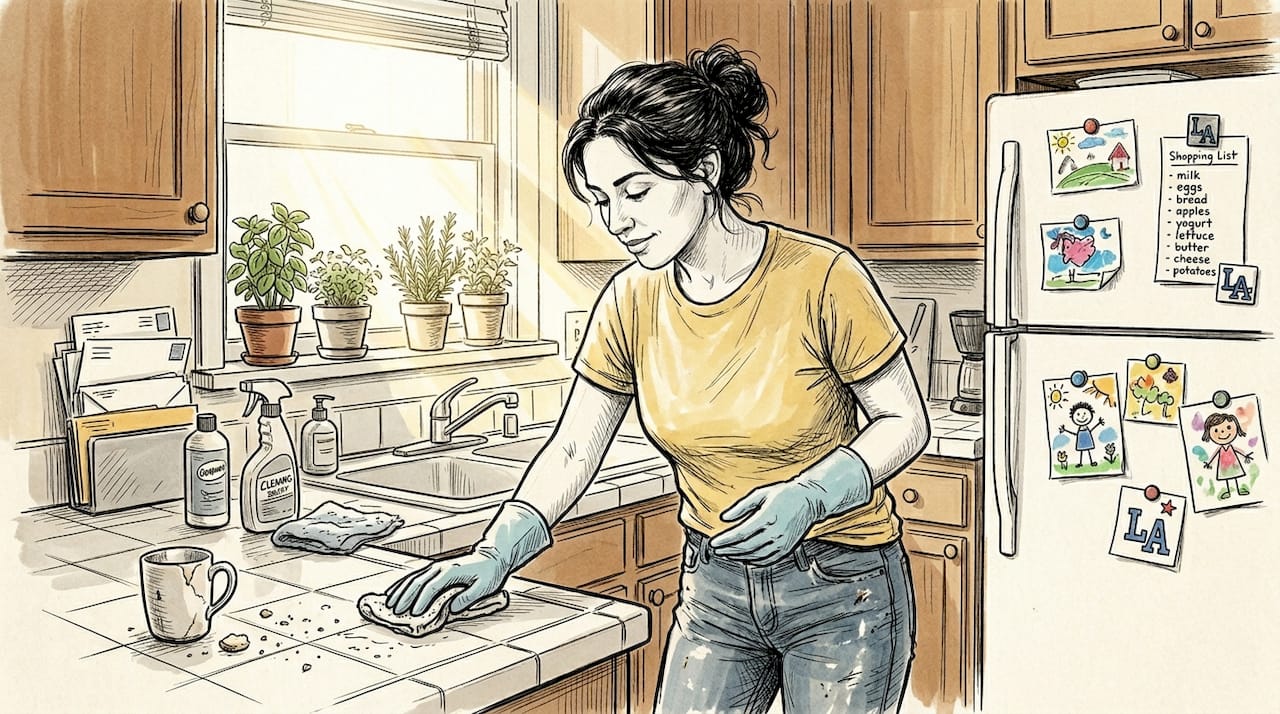
Cleaning your home does far more than create visual order. Improved cleaning compliance reduces hospital-acquired infections by over 40%, and similar principles apply to residential spaces. Many homeowners and renters underestimate how deeply cleaning impacts physical health, mental wellbeing, and overall quality of life. This guide reveals evidence-based strategies showing how regular cleaning protects against infections, manages allergens, reduces stress, and creates healthier living environments tailored specifically for Los Angeles residents.
Table of Contents
- Cleaning’s Impact On Infection Control And Household Health
- Understanding Allergens, Dust Mites, And Indoor Air Quality
- Cleaning, Clutter, And Mental Wellness: The Psychological Benefits
- Practical Cleaning Strategies For Los Angeles Homeowners And Renters
- Explore Professional Cleaning Services In Los Angeles
Key takeaways
| Point | Details |
|---|---|
| Infection control | Regular cleaning removes pathogens from high-touch surfaces, dramatically reducing household illness transmission. |
| Allergen management | Cleaning effectively removes dust, pet dander, and mold spores to improve indoor air quality. |
| Mental wellness boost | Organized spaces reduce stress and anxiety while providing a sense of control and accomplishment. |
| Surface-specific methods | Mechanical scrubbing outperforms microfiber mops on rough floors for bacterial removal. |
| LA move strategies | Focused cleaning during transitions protects both health and security deposits for renters. |
Cleaning’s impact on infection control and household health
Your home harbors invisible threats that routine cleaning addresses effectively. Effectiveness of handwashing to reduce pathogens in community settings shows bacteria reduction exceeding 2 log10 and virus reduction around 1.86 log10 on hands alone. When you combine proper hand hygiene with systematic surface cleaning, you create multiple barriers against illness transmission within your household.
High-touch surfaces deserve special attention in your cleaning routine. Kitchen counters, bathroom fixtures, door handles, light switches, and remote controls accumulate pathogens throughout daily use. These areas require cleaning with soap or detergent followed by disinfection when household members are ill or during flu season. The CDC home cleaning guidance emphasizes that mechanical action matters as much as chemical selection.
The importance of home cleaning extends beyond aesthetics to genuine health protection. Regular protocols prevent pathogen buildup before it reaches infectious levels. Studies in institutional settings demonstrate that consistent cleaning schedules reduce transmission rates significantly, and the same principles apply to residential environments where families share spaces and touch common surfaces repeatedly.
Pro Tip: Create a daily quick-clean routine hitting the five highest-touch surfaces in your home. This 10-minute habit delivers outsized health benefits by interrupting transmission chains before pathogens accumulate to infectious levels.
Mechanical scrubbing proves especially important on textured or rough surfaces where pathogens hide in crevices. Research shows traditional scrub cleaning with detergent removes bacteria more effectively than microfiber mops on these surfaces. The physical action dislodges microorganisms that chemical action alone cannot reach, making technique as critical as product selection.
- Focus cleaning efforts on kitchens and bathrooms where moisture and food residue create ideal pathogen environments
- Use separate cleaning cloths for different areas to prevent cross-contamination between spaces
- Clean before you disinfect, as organic matter reduces disinfectant effectiveness significantly
- Replace sponges and cleaning cloths regularly, as these tools harbor bacteria when kept damp
“Cleaning removes germs, dirt, and impurities from surfaces, while disinfecting kills germs on surfaces. Cleaning should always precede disinfection for maximum effectiveness, as dirt and organic material reduce the ability of disinfectants to work properly.”
Understanding allergens, dust mites, and indoor air quality
Cleaning plays a nuanced role in managing respiratory health at home. Routine cleaning benefits indoor air quality and allergen reduction by removing dust, pet dander, pollen, and mold spores that accumulate on surfaces and circulate through air. However, expectations must align with evidence regarding specific allergen impacts.
Dust mite allergen presents a complex challenge for cleaning protocols. While thorough cleaning reduces dust mite populations and allergen levels measurably, dust mite control and asthma symptom outcomes shows limited clinical improvement in asthma symptoms from these interventions alone. This doesn’t diminish cleaning’s value but highlights the need for comprehensive approaches combining multiple strategies.
Los Angeles environments present unique allergen challenges requiring adapted strategies. The region’s climate, vegetation, and urban density create year-round allergen exposure from multiple sources. Combining regular cleaning with humidity control and ventilation optimization produces better respiratory comfort than any single intervention. Dehumidifiers help in bathrooms and basements, while proper ventilation prevents moisture accumulation that supports mold growth.
| Allergen Type | Primary Sources | Effective Cleaning Methods |
| — | — |
| Dust mites | Bedding, upholstery, carpets | Hot water washing, vacuuming with HEPA filters, reducing humidity |
| Pet dander | Animals, soft surfaces | Regular vacuuming, washing pet bedding, grooming pets outdoors |
| Mold spores | Damp areas, bathrooms, kitchens | Addressing moisture sources, cleaning with mold-killing solutions |
| Pollen | Outdoor air, clothing, pets | Closing windows during high pollen days, removing shoes at entry |
The why clean regularly health benefits extend to cumulative allergen reduction over time. Consistent schedules prevent buildup that single deep cleans cannot address effectively. Weekly vacuuming with HEPA filtration, biweekly bedding changes with hot water washing, and monthly deep cleaning of soft furnishings create layered protection against respiratory irritants.
Pro Tip: Clean from top to bottom in each room, allowing dust and allergens to fall to lower surfaces before you address them. This systematic approach prevents re-contaminating already cleaned areas and maximizes efficiency.
- Use vacuum cleaners with true HEPA filters that capture particles as small as 0.3 microns
- Wash bedding in water at least 130°F to kill dust mites effectively
- Minimize carpet and heavy drapes in bedrooms where people spend extended time
- Address water leaks and moisture problems immediately to prevent mold establishment
- Consider air purifiers with HEPA filtration in bedrooms for additional allergen control
Modest improvements in respiratory symptoms become meaningful when sustained over months and years. While cleaning alone may not eliminate asthma symptoms, it forms an essential component of comprehensive allergen management. Combining cleaning protocols with medical treatment, humidity control, and ventilation creates optimal conditions for respiratory health in LA homes.
Cleaning, clutter, and mental wellness: the psychological benefits
Your environment shapes your mental state more powerfully than most people recognize. How mental health and cleaning are connected reveals that clutter correlates with elevated stress hormones, negative affect, and feelings of overwhelm. Conversely, cleaning activities provide immediate mood boosts through accomplishment and the creation of orderly, controlled spaces.
The psychological benefits of cleaning operate through multiple mechanisms. Physical activity during cleaning releases endorphins that improve mood naturally. The visible transformation from messy to clean provides tangible evidence of productivity and capability. Organized environments reduce cognitive load by eliminating visual distractions and decision fatigue about where items belong or what needs attention.
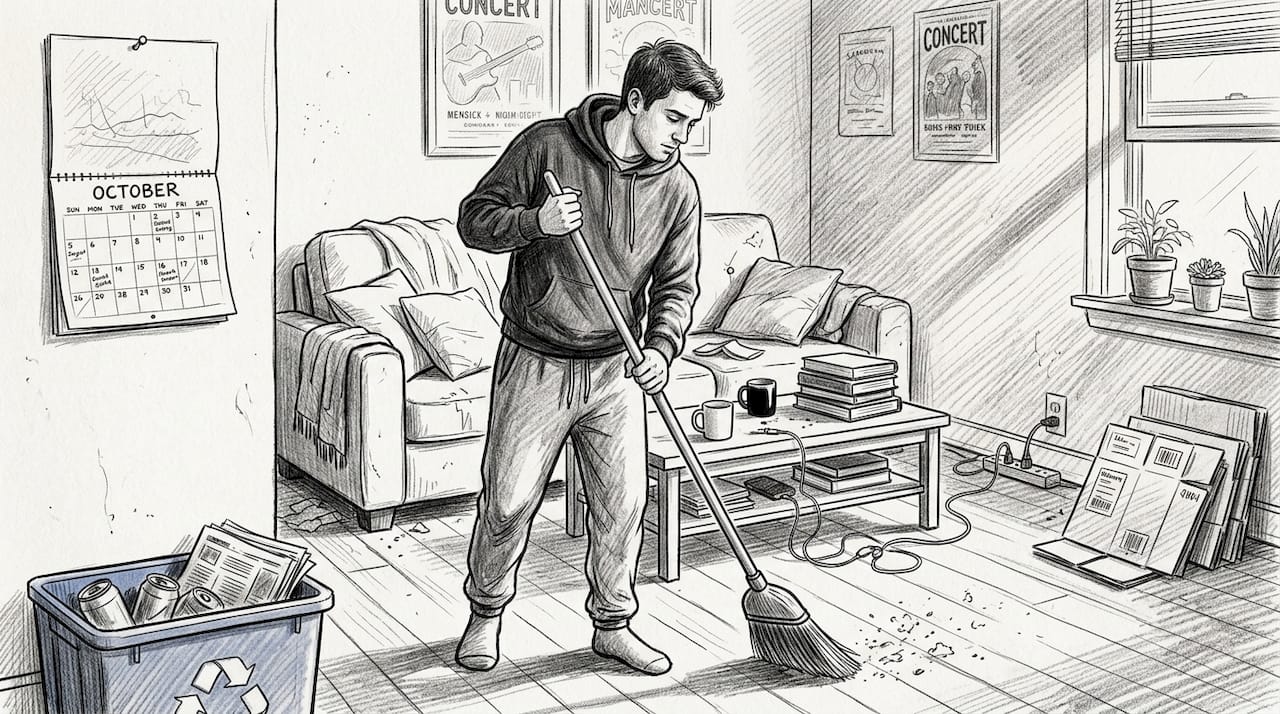
Maintaining clean spaces fosters a sense of control particularly valuable during stressful periods. When external circumstances feel chaotic or overwhelming, the ability to create order in your immediate environment provides psychological anchoring. This control extends beyond the cleaning moment, as organized systems reduce daily friction and decision-making around household tasks.
Routine cleaning schedules support mental health through predictability and structure. Knowing when tasks occur eliminates the mental burden of remembering or deciding when to clean. Habits formed around cleaning routines require less willpower over time, making maintenance sustainable even during periods of low motivation or high stress.
- Break large cleaning projects into smaller tasks to avoid overwhelm and maintain motivation
- Schedule cleaning during times when you naturally have higher energy levels
- Create designated homes for frequently used items to reduce daily clutter accumulation
- Involve household members in maintaining systems to distribute effort and build shared responsibility
- Celebrate completed cleaning tasks to reinforce positive associations with the activity
Pro Tip: Set a timer for 15-minute cleaning bursts when motivation is low. The time limit makes starting easier, and momentum often carries you beyond the initial commitment once you begin.
The why clean regularly health and stress benefits compound over time as organized systems become habitual. Initial effort to establish routines pays dividends through reduced ongoing maintenance and sustained mental health benefits. Even when some physical health improvements like allergy symptom reduction prove modest, the psychological gains remain consistent and significant.
Tailoring cleaning approaches to your personality and lifestyle increases sustainability. Perfectionists may need permission to maintain “good enough” standards, while those who thrive on variety benefit from rotating focus areas. Understanding your motivational patterns and energy rhythms allows you to design systems that work with your nature rather than against it.
Practical cleaning strategies for Los Angeles homeowners and renters
Implementing effective cleaning requires adapting general principles to LA’s specific housing market and environmental conditions. LA move-in/out cleaning checklists to protect health and deposits emphasizes that thorough cleaning during transitions serves dual purposes: establishing healthy baseline conditions and meeting lease requirements that protect financial interests.
Move-in cleaning deserves priority attention even when properties appear clean. Previous occupants’ cleaning standards and landlord preparations vary widely. Deep cleaning kitchens, bathrooms, and carpets before unpacking eliminates inherited pathogens and allergens. This initial investment creates a known baseline for your occupancy and prevents health issues from previous residents’ contaminants.
| Cleaning Method | Best Surface Types | Effectiveness | Time Investment |
| — | — | — |
| Scrub cleaning with detergent | Rough floors, textured tiles, grout | High bacterial removal through mechanical action | Moderate to high |
| Microfiber mop | Smooth hardwood, laminate, polished surfaces | Excellent on smooth surfaces, limited on textured | Low to moderate |
| Steam cleaning | Sealed hard floors, some upholstery | Good sanitization without chemicals | Moderate |
| HEPA vacuum | All carpets, rugs, upholstered furniture | Superior allergen capture and removal | Low to moderate |
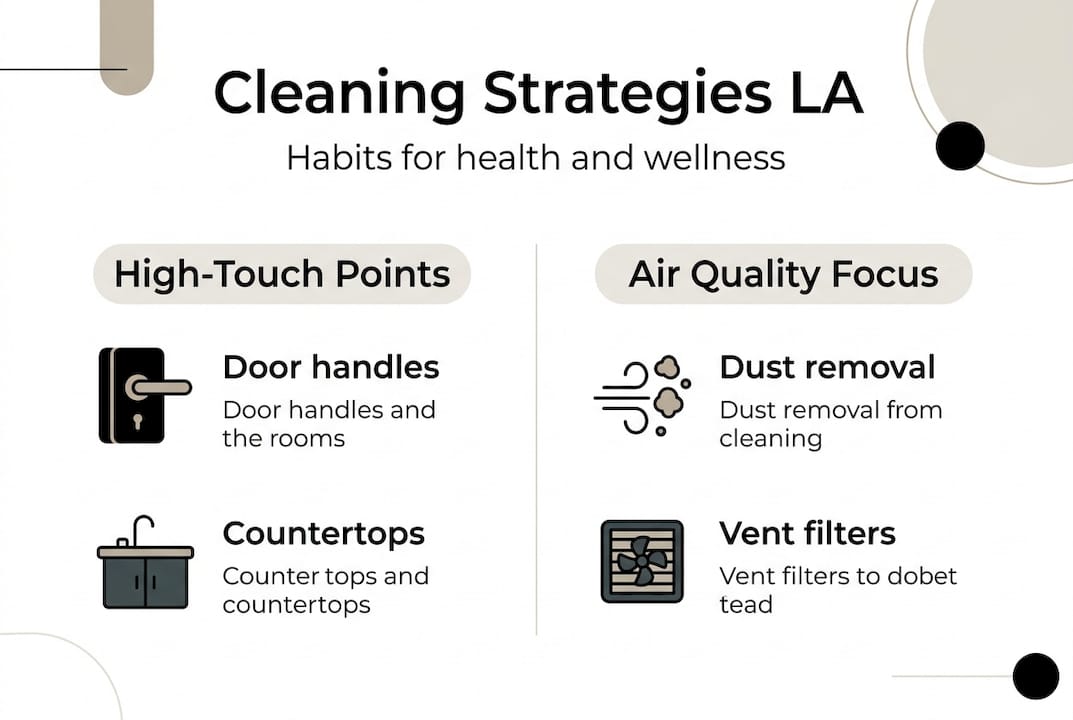
- Start with high-touch surfaces daily: door handles, light switches, countertops, faucets, and remote controls receive quick wipes with appropriate cleaners.
- Schedule weekly deep cleans rotating through rooms: kitchens and bathrooms weekly, bedrooms and living areas biweekly, with monthly attention to baseboards, ceiling fans, and overlooked areas.
- Implement seasonal deep cleans addressing windows, blinds, behind appliances, inside cabinets, and other areas requiring more intensive effort.
- Adapt schedules to household size and activity: homes with children, pets, or high traffic require more frequent attention to maintain health standards.
- Use checklists to ensure consistency and completeness: written protocols prevent overlooking areas and distribute tasks fairly among household members.
The move in cleaning los angeles process should address all surfaces before furniture placement. Clean inside cabinets, drawers, and closets where dust and residues accumulate. Sanitize bathroom fixtures, kitchen appliances, and all food preparation surfaces. Address windows, blinds, and light fixtures that impact both cleanliness and indoor air quality.
Pro Tip: Photograph your rental’s condition after thorough move-in cleaning and document any pre-existing damage. These records protect your deposit during move-out inspections by establishing baseline conditions.
Move-out cleaning requires equal attention to protect deposits and leave properties in acceptable condition. The move out cleaning guide outlines comprehensive approaches ensuring no areas are overlooked. Professional cleaning services provide documentation and guarantee standards that satisfy most landlord requirements, offering peace of mind during stressful transitions.
- Prioritize kitchens with thorough appliance cleaning including inside ovens, refrigerators, and under stovetops
- Deep clean bathrooms addressing grout, fixtures, mirrors, and any mildew or soap scum accumulation
- Address walls, baseboards, and doors for marks, scuffs, or damage requiring touch-up or repair
- Clean or replace air filters, addressing often-overlooked maintenance items that impact inspections
- Schedule professional carpet cleaning with receipt documentation for landlord records
LA’s rental market competitiveness makes deposit protection particularly important. Thorough cleaning demonstrates respect for properties and landlords, potentially influencing references for future rentals. The investment in professional services or dedicated personal effort typically costs far less than deposit deductions for inadequate cleaning.
Explore professional cleaning services in Los Angeles
Maintaining optimal health and hygiene standards requires consistent effort that busy schedules sometimes cannot accommodate. Professional cleaning services los angeles bring expertise, specialized equipment, and systematic approaches that complement your personal efforts. Teams trained in proper techniques and equipped with commercial-grade tools achieve thoroughness difficult to match with consumer products and limited time.
Professional services prove particularly valuable during transitions and high-stress periods. Move in cleaning services establish healthy baselines before you occupy new spaces, eliminating concerns about previous residents’ standards. Similarly, comprehensive move out cleaning guide protocols protect deposits while reducing stress during already demanding moving processes.
The Maid Society offers tailored residential cleaning packages designed for LA homeowners and renters. Our vetted, trained teams deliver consistent, detail-oriented service with respect for your home and belongings. Whether you need regular maintenance cleaning, deep cleaning for health optimization, or specialized move-in and move-out services, professional support helps you maintain the clean, healthy environment you deserve without sacrificing time for other priorities.
FAQ
What is the role of cleaning in preventing illnesses at home?
Regular cleaning removes pathogens from high-touch surfaces like counters, door handles, and bathroom fixtures where bacteria and viruses accumulate. Combined with proper hand hygiene, systematic cleaning creates multiple barriers against illness transmission within households. Research shows cleaning protocols can reduce infection rates by over 40% when implemented consistently.
Does cleaning reduce allergy and asthma symptoms effectively?
Cleaning effectively removes allergens like dust, pet dander, and mold spores, improving indoor air quality measurably. However, dust mite control through cleaning alone shows limited impact on asthma symptoms in clinical trials. Combining regular cleaning with humidity control, ventilation, and medical treatment provides better respiratory health outcomes than any single intervention.
How often should I clean to maintain health in my LA home?
Daily cleaning of high-touch surfaces combined with weekly deep cleans of kitchens and bathrooms balances hygiene with time investment. Tailor your routine to household size, pets, and activity levels, as higher traffic requires more frequent attention. The why clean regularly approach emphasizes consistency over perfection for sustainable health benefits.
What cleaning methods are best for different surfaces in the home?
Scrub cleaning with detergent works best for rough floors and textured surfaces through mechanical pathogen removal. Microfiber mops excel on smooth hardwood and laminate but prove less effective on textured floors. Always clean surfaces before disinfecting, as organic matter reduces disinfectant effectiveness. The importance of home cleaning includes matching methods to surface types for optimal results.
Recommended
- Why sanitize your home for health in Los Angeles 2026
- 7 Key Advantages of Deep Cleaning for Los Angeles Families
- Why trusted cleaning teams matter for busy LA families
- Cleaning for busy professionals: save 4 hours weekly
- Cleaning
- 7 Simple Ways to Keep Your House Tidy Naturally Every Day


Get Cleaning Tips & Exclusive Offers
Join our community for time-saving hacks and special discounts delivered to your inbox.