TL;DR:
- Thorough, documented cleaning is essential to pass LA turnover inspections and protect deposits.
- Focus on key areas like grout, pet hair, odors, and hard water stains to avoid costly disputes.
- Using a room-by-room checklist and photographic evidence ensures legal compliance and faster turnovers.
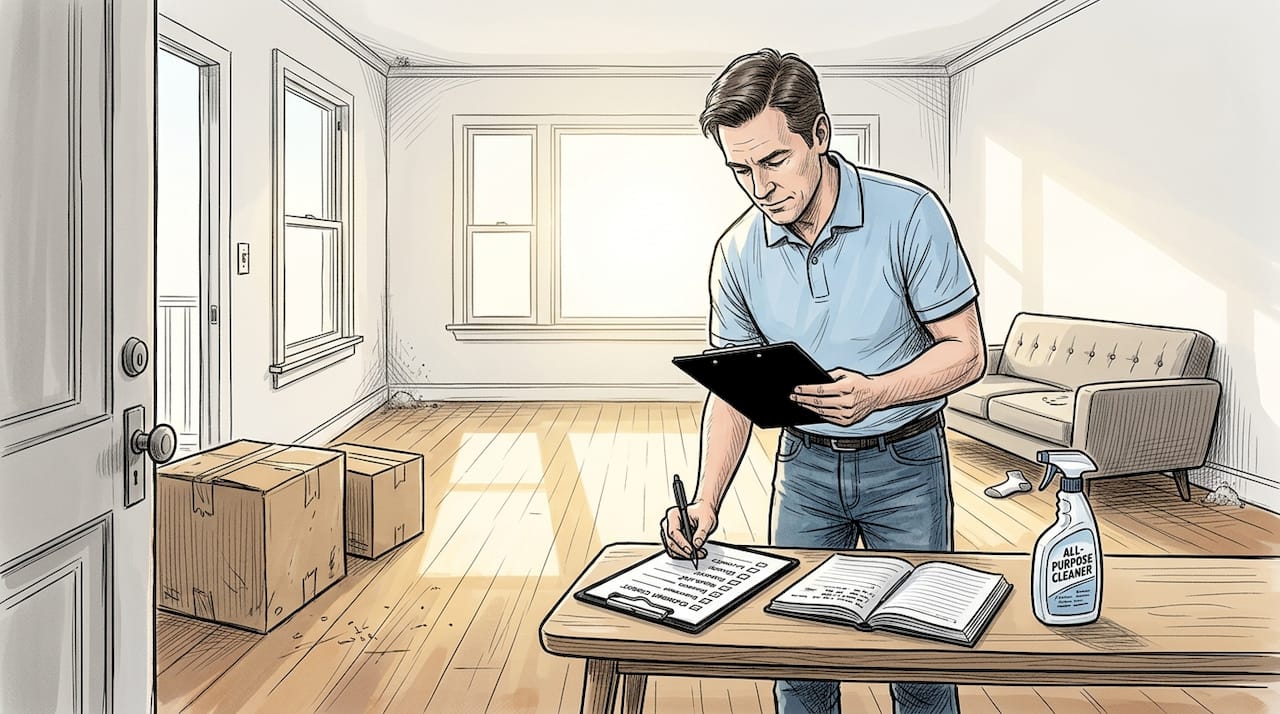
A quick vacuum and wipe-down won’t cut it when a Los Angeles property changes hands. Missed cleaning details can trigger deposit disputes, delay new tenant move-ins, and rack up turnover costs of $3,000 to $5,000 per unit. LA landlords and property managers face some of the strictest expectations in the country, and a single overlooked area like grout, pet odor, or window tracks can derail an otherwise smooth handover. This checklist gives you a room-by-room, legally grounded framework to meet those standards, protect your deposit, and get your property rent-ready or sale-ready without the costly surprises.
Table of Contents
- Why turnover cleaning matters in Los Angeles
- Framework: The essential real estate cleaning checklist
- Don’t miss these critical areas
- Inspection, documentation, and legal compliance
- What most cleaning checklists miss in real estate turnovers
- Get expert help for your next turnover
- Frequently asked questions
Key Takeaways
| Point | Details |
|---|---|
| LA has high standards | Meeting landlord and legal requirements in Los Angeles demands more than a basic clean. |
| Deep clean kitchens and baths | Extra attention in these areas is key to passing inspections and protecting deposits. |
| Document every step | Photos, checklists, and receipts can defend you in case of deposit disputes. |
| Don’t skip hidden spots | Baseboards, window tracks, and pet odors are common failure points in turnovers. |
Why turnover cleaning matters in Los Angeles
Los Angeles is not a forgiving rental market. Tenants are savvy, landlords are detail-oriented, and inspectors have seen every shortcut in the book. A surface-level clean might pass the eye test in a dim hallway, but under daylight and a white-glove test, the story changes fast.
The financial stakes are real. Turnover cleaning costs $240 to $500 for a 2,000 sq ft home in LA, but if a property fails inspection or a tenant disputes the deposit, those costs can balloon well beyond that range. Delays in getting a new tenant placed mean lost rental income on top of cleaning expenses.
“California law gives landlords just 21 days to return a security deposit, and every deduction must be backed by documented evidence.” Under CA Civil Code §1950.5, landlords who can’t prove cleaning-related deductions risk losing those claims entirely, or worse, facing legal challenges from tenants.
For property management cleaning tips that go beyond the basics, the standard has to be higher than what most people consider “clean.” Here are the most common reasons LA properties fail turnover inspections:
- Grout lines in kitchens and bathrooms left discolored or moldy
- Pet hair embedded in carpet, vents, and upholstery
- Lingering pet or smoke odors that surface after the property is aired out
- Grease buildup inside ovens, range hoods, and behind stovetops
- Dirty window tracks, sills, and blinds
- Stained baseboards, scuffed walls, and dusty ceiling fans
- Hard water deposits on shower glass, faucets, and sinks
- Cabinets left with crumbs, stains, or residue inside
Using a cut rental vacancy guide alongside your cleaning process helps connect the dots between cleaning quality and how quickly a unit re-rents. The cleaner the property, the faster and more profitably it turns over. That’s not a coincidence.
Framework: The essential real estate cleaning checklist
Now that the stakes are clear, here’s a ready-to-use checklist designed to meet LA’s toughest standards and help you pass your next turnover inspection.
Follow this room-by-room sequence for the most efficient and thorough results:
- Kitchen: Start by removing everything from cabinets and wiping the interiors. Degrease the oven, stovetop, range hood, and hood filters. Clean the refrigerator inside and out, including the drip tray. Scrub the sink, faucet, and garbage disposal. Wipe all countertops, backsplash tiles, and cabinet fronts. Allocate 2 to 3 hours per kitchen for deep cleaning, especially when grease buildup is heavy.
- Bathrooms: Use hospital-grade disinfectants on all surfaces. Scrub grout lines, clean behind and around the toilet base, descale faucets and showerheads, and remove soap scum from glass doors. Wipe mirror edges and cabinet interiors.
- Living and common areas: Dust ceiling fans, light fixtures, and vents. Clean baseboards, door frames, and switch plates. Vacuum and spot-clean carpets or mop hard floors. Wipe down windowsills and tracks.
- Bedrooms: Wipe all surfaces, clean closet interiors (shelves, rods, and floors), and check for scuffs or marks on walls. Vacuum thoroughly including under and behind furniture if still present.
- Final extras: Clean all windows inside and out, wipe down doors and handles, replace any burned-out bulbs, and do a full sweep of the garage or outdoor areas if applicable.
Here’s a quick comparison to help you decide between hiring professionals or going the DIY route:
| Factor | Professional cleaning | DIY cleaning |
|---|---|---|
| Cost | $240 to $500+ | Lower upfront |
| Thoroughness | High, trained eye | Variable |
| Time required | 4 to 8 hours (team) | 8 to 16+ hours |
| Documentation | Receipts provided | Self-documented |
| Risk of missed areas | Low | Higher |
| Deposit dispute protection | Strong | Moderate |
For a complete LA landlord cleaning checklist and turnover best practices, having a structured reference you can revisit each cycle saves time and reduces errors.
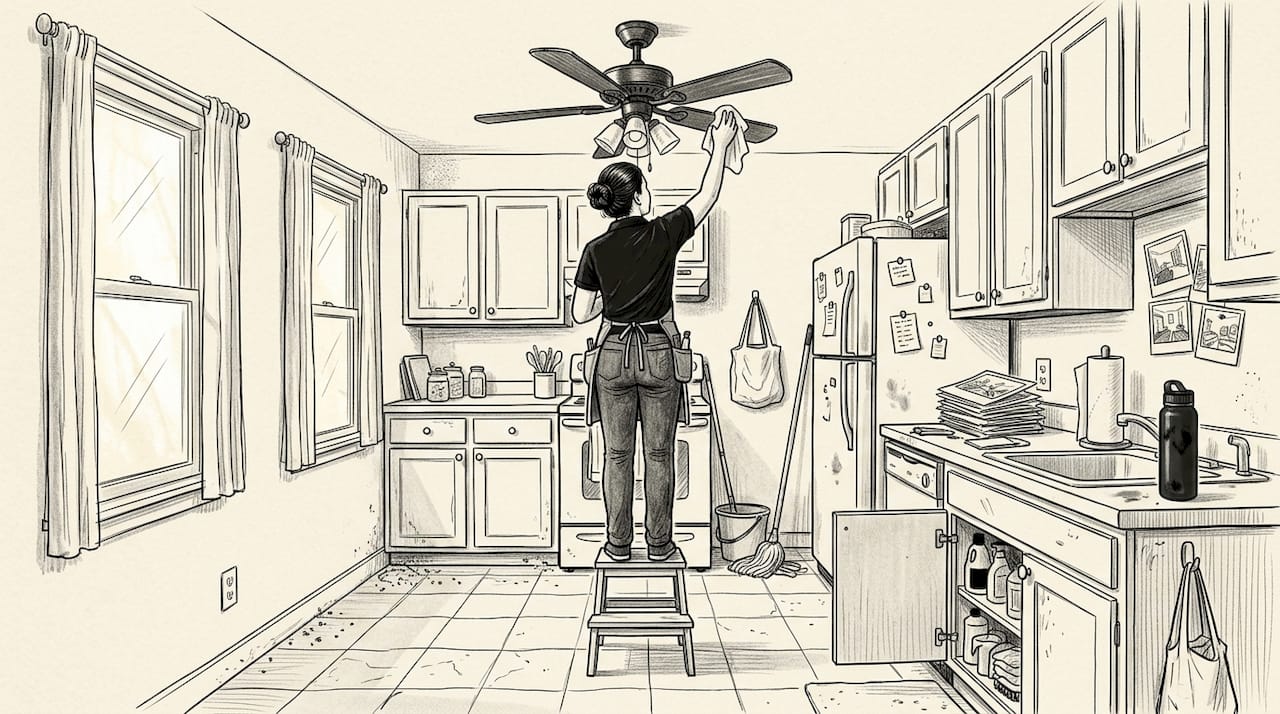
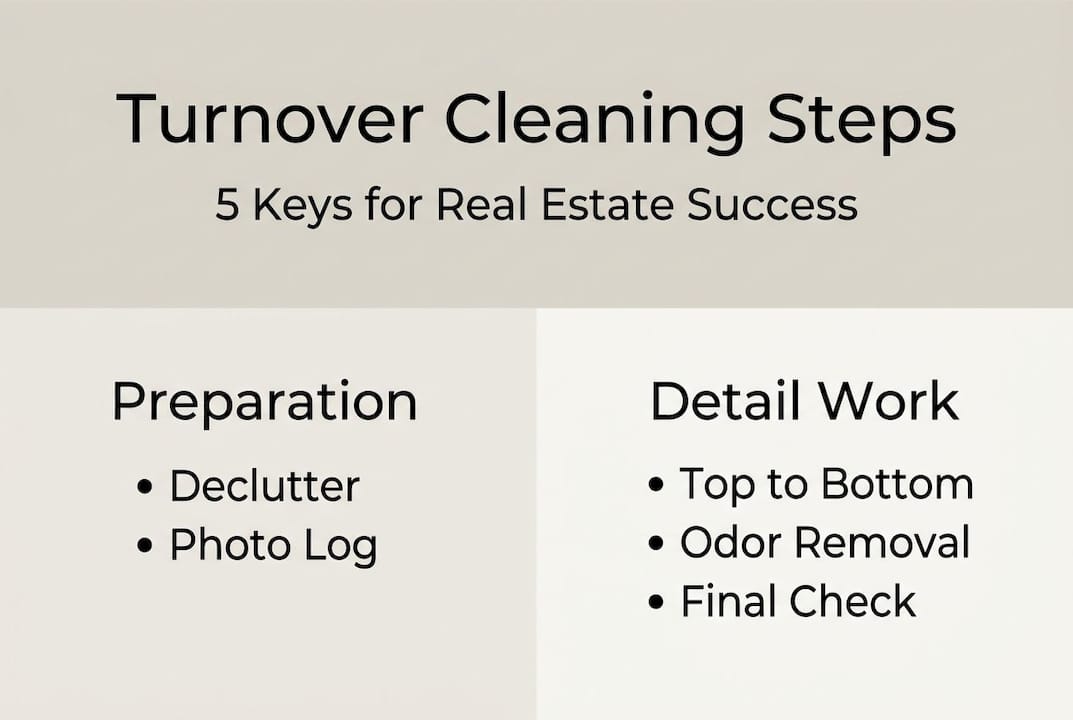
Pro Tip: Always clean top to bottom, starting with ceilings and fans before floors. Photograph each room before and after cleaning to create a visual record that protects you in any deposit dispute.
Don’t miss these critical areas
A checklist is only as strong as its details. Here’s where most turnovers go wrong and how to catch these costly misses before they become expensive problems.
The areas below are the ones most likely to cause a failed inspection in Los Angeles:
- Pet odors and hair: Embedded in carpet fibers, air vents, and soft furnishings. Standard vacuuming doesn’t remove it.
- Hard water stains: Shower glass, faucets, and sinks in LA’s hard water zones develop heavy mineral buildup that needs acidic cleaners.
- Oven and range hood grease: Baked-on grease is one of the most cited deductions in LA deposit disputes.
- Window tracks: Collect dirt, dead insects, and mold. Easily missed, immediately noticed by inspectors.
- Baseboards and door frames: Dust and scuffs accumulate here and are a telltale sign of a rushed clean.
- Behind and under appliances: Grease, crumbs, and moisture gather where no one looks until inspection day.
Here’s a breakdown of the most problematic areas, the best approach, and a realistic time estimate:
| Problem area | Best method | Time estimate |
|---|---|---|
| Pet odors | Enzyme-based cleaner, ventilate | 1 to 2 hours |
| Hard water stains | White vinegar or citric acid solution | 30 to 60 min |
| Oven grease | Commercial degreaser, soak method | 1 to 2 hours |
| Window tracks | Small brush, vacuum, damp cloth | 20 to 40 min |
| Grout lines | Baking soda paste, stiff brush | 45 to 90 min |
| Behind appliances | Pull out, vacuum, mop | 30 to 45 min |
For pet odors specifically, enzyme cleaners reduce odor complaints by 75% compared to standard surface sprays. The enzymes break down the organic compounds causing the smell rather than masking them. This matters because odors that seem gone at room temperature often return when the property warms up with new occupants inside.
For more guidance on how to organize post-tenant cleaning and short-term rental cleaning tips, having a system for these problem areas before you start saves significant rework.
Pro Tip: Do your final walkthrough during daylight hours with the lights on and windows open. Run your hand along baseboards, window sills, and cabinet tops. This white-glove test catches 90% of missed spots that artificial lighting hides.
Inspection, documentation, and legal compliance
Catching every detail is important, but so is documenting your process. Here’s how to prove your work and stay compliant in Los Angeles.
California is one of the strictest states when it comes to security deposit rules. White-glove tests and photos create the cleaning evidence you need to defend any deduction under CA Civil Code §1950.5. Without documentation, even a legitimate cleaning charge can be challenged and reversed.
Follow these steps to build a compliant documentation record for every turnover:
- Inspect with a checklist in hand: Walk every room with your printed or digital checklist. Mark each item as complete before moving on.
- Photograph every room: Take wide-angle shots of each room and close-ups of key areas like ovens, bathrooms, windows, and floors. Timestamp all photos.
- List all cleaning tasks performed: Keep a written record of what was cleaned, what products were used, and who performed the work.
- File receipts and invoices: If you hired professionals, keep their invoice. If DIY, log your time and materials.
- Update your move-in/move-out report: Compare the incoming condition report with the outgoing one. Note any changes that justify deductions.
This process protects both owners and tenants. Tenants get transparency. Owners get legal cover. The final inspection process doesn’t need to be complicated, but it does need to be consistent. A 30-minute documentation routine at the end of every turnover can save hours of dispute resolution later.
What most cleaning checklists miss in real estate turnovers
Most cleaning checklists are written for general households, not for the specific pressures of an LA real estate turnover. They cover the obvious rooms but skip the legal, financial, and documentation layers that actually determine whether a turnover succeeds or fails.
The real gap isn’t effort. It’s specificity. A property manager who cleans thoroughly but skips the photo documentation is just as exposed as one who skips the cleaning entirely. And a homeowner who uses a generic checklist without accounting for LA’s hard water, pet-friendly rentals, or older building quirks will miss the details that inspectors flag every time.
What separates a smooth turnover from a costly one is a structured, evidence-backed approach where why details matter in cleaning becomes a real operating principle, not just advice. The investment in deep, documented cleaning pays off far beyond the next lease. It builds a track record, reduces disputes, and makes each successive turnover faster and less stressful.
Get expert help for your next turnover
Turnover cleaning in Los Angeles is detailed, time-sensitive, and legally consequential. Getting it right the first time matters.
At The Maid Society, we specialize in move-out cleaning services designed specifically for LA property owners and managers. Our team follows a structured, room-by-room process that meets California’s documentation standards and leaves nothing to chance. Whether you need a one-time deep clean or ongoing turnover support, our move out checklist for managers gives you a clear, proven process to follow. Browse all of our cleaning services in Los Angeles and schedule your next turnover clean with a team that treats every property like their own.
Frequently asked questions
What is the most commonly missed cleaning area in LA turnovers?
Pet odors, hair, and hard water stains in showers are the most overlooked issues, yet they’re the ones LA landlords cite most often when disputing deposits.
How long should a full turnover cleaning take for a standard LA unit?
A standard unit typically takes 2 to 4 hours for a light turnover, but heavy soiling or larger homes can push that to 6 or more hours, especially when kitchens need full degreasing.
Do I need professional cleaning to pass inspection in Los Angeles?
Professional cleaning is strongly preferred by most LA landlords, and some require a professional cleaning receipt before they’ll consider returning a deposit.
What legal documentation should I keep after a turnover clean?
Timestamped photos, a detailed task checklist, and receipts are required to comply with CA Civil Code §1950.5 and defend any deposit deductions.
Is there a cleaning difference for properties on sale vs. rental turnovers?
Yes. Homes prepped for sale prioritize curb appeal, window clarity, and staged presentation, while rental turnovers require deeper interior cleaning focused on inspection compliance and tenant health standards.
Recommended
- Master the Final Inspection Cleaning Process for Turnover
- Turnover Cleaning Best Practices: Faster Property Turns
- Real Estate Cleaning Best Practices 2026: Cut Vacancy 15%
- How to organize post-tenant cleaning for faster turnovers
- How to prepare for movers: 5 steps for long-distance moves



Get Cleaning Tips & Exclusive Offers
Join our community for time-saving hacks and special discounts delivered to your inbox.