Most property managers and contractors assume post-construction cleaning is just routine janitorial work, but construction dust behaves uniquely, requiring specialized standards and protocols. This misconception leads to failed inspections, costly rework, and safety violations. Understanding industry-standard cleaning phases, OSHA compliance requirements, and quality checkpoints transforms project handovers from frustrating delays into smooth, successful transitions. This guide explains the essential standards, safety protocols, and practical strategies property managers and contractors need to ensure compliance and deliver quality results.
Table of Contents
- Overview Of Post-Construction Cleaning Phases
- Ensuring Safety And Osha Compliance During Construction Cleaning
- Common Challenges And Quality Checkpoints In Final Construction Clean
- Best Practices For Meeting Industry Standards And Maximizing Cleaning Success
- Discover Expert Cleaning Services Tailored For Los Angeles Construction Projects
- What Are The Essential Phases Of Post-Construction Cleaning?
- How Does Osha Influence Construction Cleaning Standards?
- What Are The Most Common Reasons For Final Cleaning Inspection Failures?
- Why Should Property Managers Hire Specialized Construction Cleaning Services?
Key takeaways
| Point | Details |
|---|---|
| Three cleaning phases | Rough, light, and final cleaning phases each serve distinct purposes and must follow sequential order to avoid rework. |
| OSHA compliance matters | Worker safety regulations for dust control and hazard communication are mandatory and reduce injury rates significantly. |
| Inspection failures are preventable | Most final cleaning failures stem from missed fine dust, cloudy glass, and unfinished edges that thorough protocols eliminate. |
| Surface preparation impacts longevity | Proper cleaning before coating application prevents premature failures and costly repairs down the line. |
| Professional expertise saves time | Specialized cleaning teams trained in construction standards deliver faster, compliant results compared to general janitorial services. |
Overview of post-construction cleaning phases
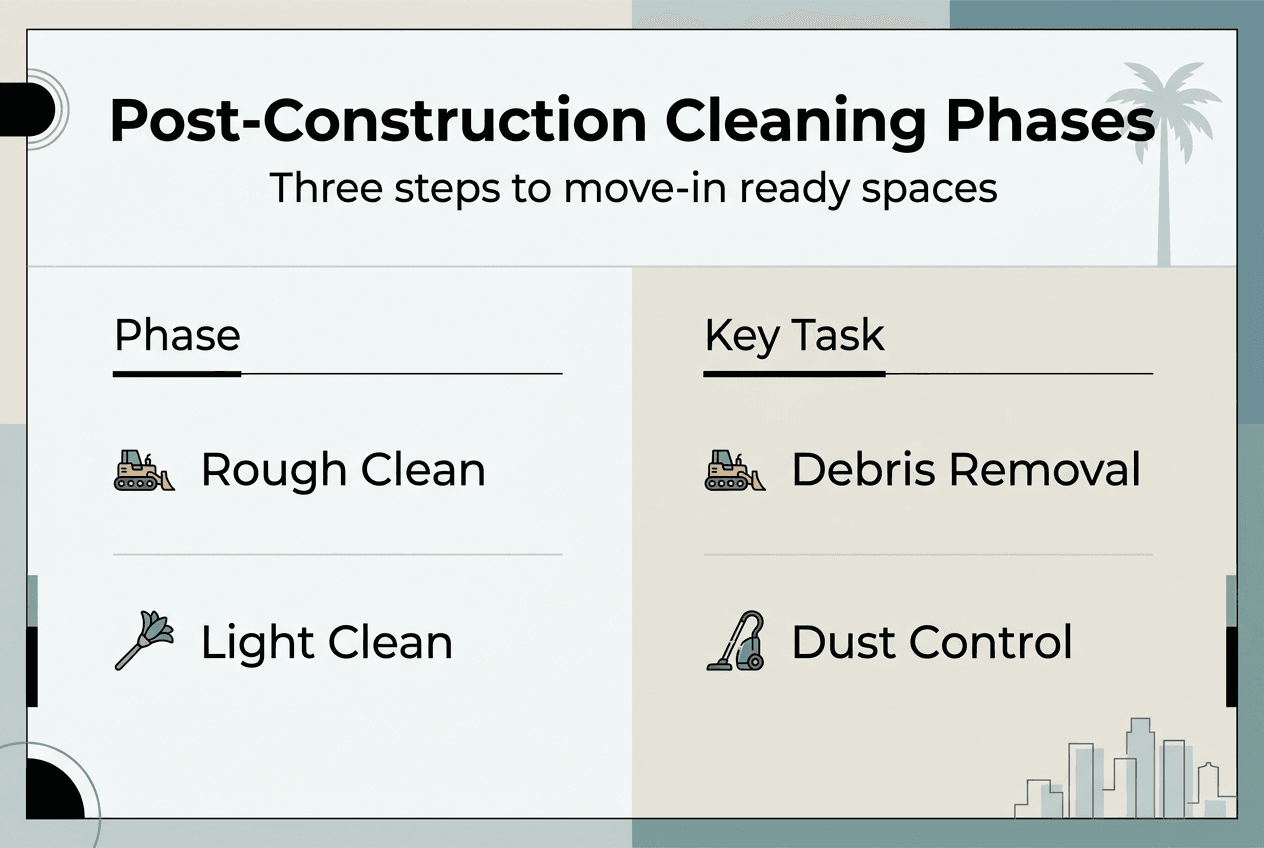
Post-construction cleaning involves three phases: rough clean, light clean, and final clean, each with specific tasks and goals. Understanding these phases prevents overlap, reduces wasted effort, and ensures each stage prepares the site properly for the next. Property managers who skip phases or combine them face inspection failures and extended timelines.
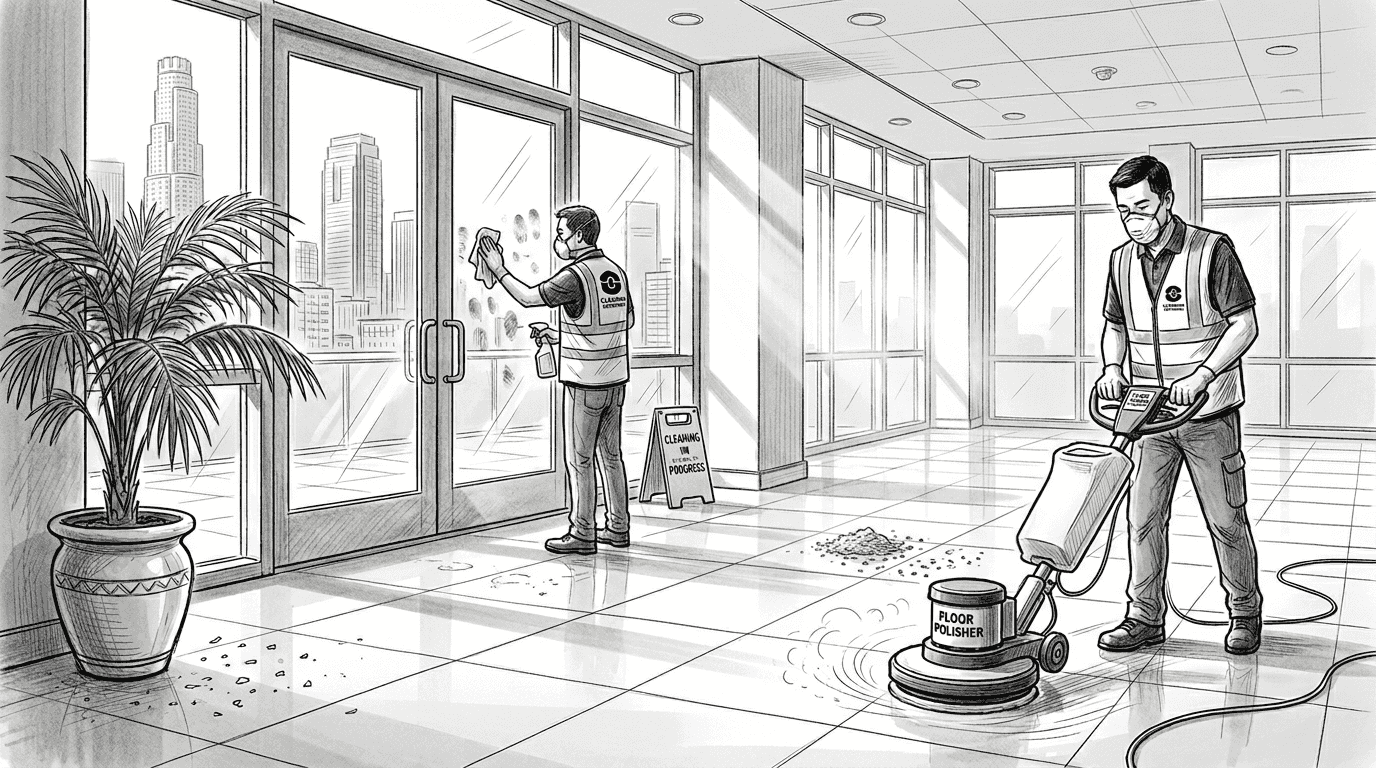
Rough cleaning happens during active construction and focuses on safety and debris management. This phase removes large debris like wood scraps, packaging materials, and construction waste that obstruct work areas. Tasks include sweeping floors, clearing walkways, and disposing of hazardous materials according to regulations. This stage keeps the jobsite functional and safe while work continues. Pro tip: Schedule rough cleaning at the end of each work week to maintain consistent safety standards and prevent debris accumulation.
Light cleaning reduces dust buildup as construction nears completion. This phase targets surfaces that will undergo final finishes, removing moderate dust layers from walls, fixtures, and floors. Workers wipe down windowsills, clean light switches, and vacuum accessible areas. The goal is creating a cleaner environment for detail work like painting and trim installation. Our detailed cleaning guide for builders explains how this phase prevents finish contamination.
Final cleaning prepares the property for inspection and occupancy. This phase addresses persistent dust using HEPA filtration and microfiber tools, working from ceiling to floor in systematic order. Tasks include detailed glass cleaning, sanitizing bathrooms and kitchens, cleaning HVAC vents, polishing fixtures, and removing adhesive residues. Property managers rely on post-construction cleaning for landlords services to ensure this phase meets inspection standards.
| Phase | Primary Goal | Key Tasks |
|---|---|---|
| Rough Clean | Safety and debris removal | Clear large debris, sweep floors, dispose waste, maintain walkways |
| Light Clean | Dust reduction before finishes | Wipe surfaces, vacuum accessible areas, prepare for detail work |
| Final Clean | Inspection readiness | HEPA dust removal, glass polishing, sanitize bathrooms, clean vents |
Ensuring safety and OSHA compliance during construction cleaning
OSHA establishes mandatory standards for construction cleaning that protect workers and reduce liability for property managers and contractors. These regulations cover dust control, hazard communication, and safe surface preparation practices. OSHA guidelines address worker safety during cleanup, especially concerning dust control and handling residual hazardous materials that remain after construction.
Worker rights and employer responsibilities form the foundation of OSHA compliance. Workers have rights to safe environments and complete information about jobsite hazards, while employers must provide proper equipment, training, and protective gear. These requirements apply equally to cleaning crews and construction workers. Violations result in citations, fines, and potential project shutdowns that delay handovers and damage reputations.
OSHA emphasizes housekeeping as core jobsite safety, making it every employer and worker’s priority. Regular cleaning schedules reduce hazards like airborne dust that causes respiratory issues and cluttered walkways that increase slips, trips, and falls. Property managers who implement rigorous cleaning protocols demonstrate commitment to safety and compliance. Understanding the role of cleaning in project completion helps teams integrate safety standards into timelines.
Key OSHA compliance elements for construction cleaning include:
- Dust control systems using HEPA filtration to prevent airborne silica exposure
- Hazard communication programs informing workers about chemical residues and cleaning agents
- Personal protective equipment requirements for respirators, gloves, and eye protection
- Proper disposal protocols for construction waste and hazardous materials
- Regular inspection and maintenance of cleaning equipment
Pro tip: Implement a written injury and illness prevention program that specifically addresses cleaning protocols, equipment maintenance, and worker training requirements to demonstrate OSHA compliance during inspections.
“Effective housekeeping is not just about cleanliness. It is a fundamental safety practice that prevents accidents, protects workers, and ensures regulatory compliance throughout the construction process.”
Property managers should review OSHA housekeeping guidelines annually and update cleaning protocols to reflect current standards. This proactive approach reduces violations and creates safer work environments for all project stakeholders.
Common challenges and quality checkpoints in final construction clean
Final cleaning inspections reveal predictable failures that delay project handovers and require expensive rework. Inspections commonly fail due to missed fine dust, cloudy glass, dirty tracks, and unfinished floor edges that standard cleaning overlooks. These issues stem from inadequate protocols rather than worker effort, making them preventable through proper planning and execution.
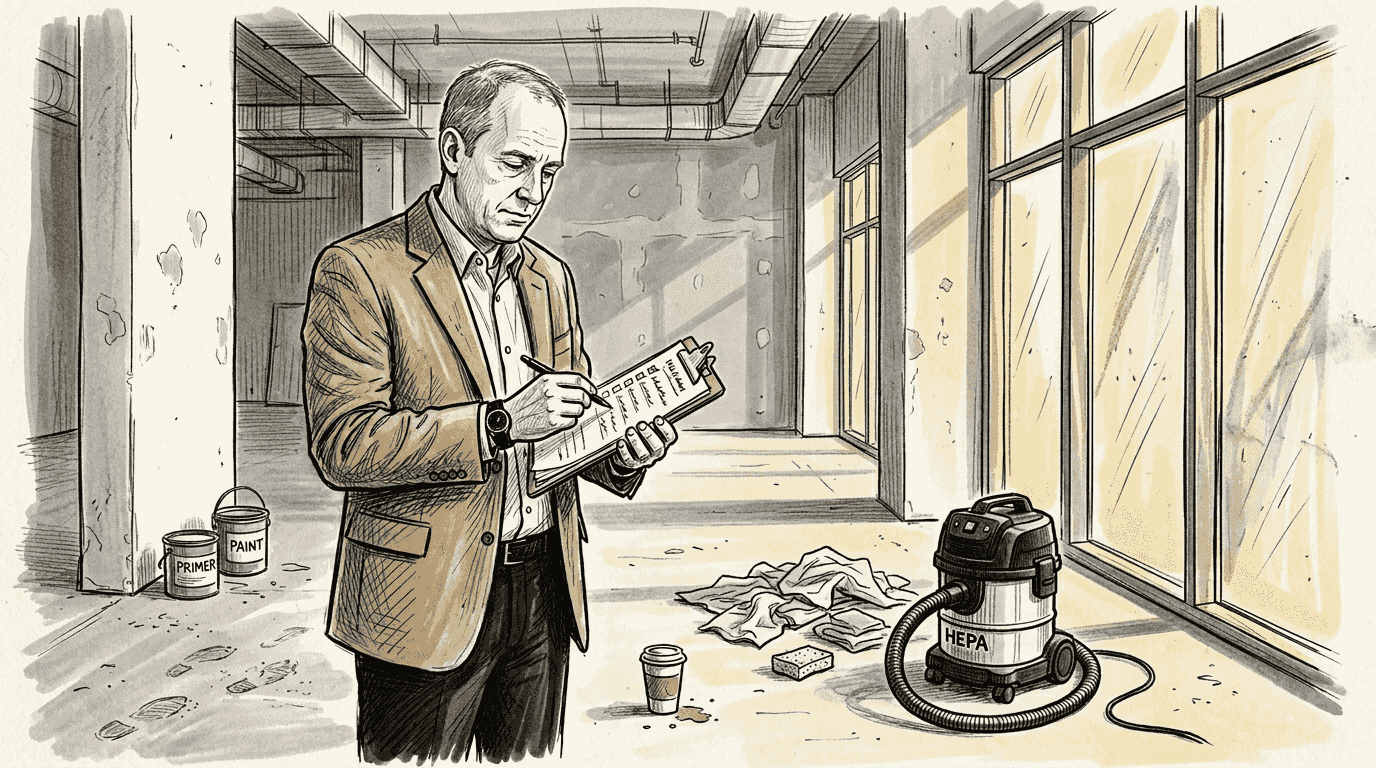
Fine dust removal requires HEPA filtration and microfiber wiping in top-down order to prevent redeposition. Construction dust particles settle continuously for days after work stops, coating surfaces that appear clean initially. Teams must clean high surfaces first, then work downward, allowing dust to settle before final floor cleaning. This systematic approach eliminates the recontamination that causes inspection failures.
Quality checkpoints for final cleaning success:
- Glass surfaces completely streak-free and transparent when viewed at angles
- Window and door tracks free of debris, dust, and construction residue
- Floor edges and corners cleaned to baseboards with no visible dust lines
- Light fixtures and ceiling fans wiped clean of dust accumulation
- HVAC vents and returns cleaned and filter covers dust-free
- Bathroom fixtures polished and sanitized with no water spots or residue
- Kitchen appliances cleaned inside and out with protective films removed
- Adhesive residues removed from all surfaces without damage
The final inspection cleaning process requires attention to details that general cleaning services miss. Property managers should verify these checkpoints before scheduling official inspections to avoid delays.
| Common Oversight | Best Practice |
|---|---|
| Single-pass dusting | Multiple passes with HEPA vacuum and microfiber cloths in top-down sequence |
| Standard glass cleaner | Professional squeegee technique with lint-free cloths for streak-free results |
| Ignoring tracks and edges | Dedicated track brushes and edge tools for complete debris removal |
| Wet mopping only | Dry vacuum first, then damp mop, followed by dry buffing for floor edges |
| Skipping ventilation cleaning | Remove and clean all vent covers, wipe duct openings, replace filters |
Thorough final cleaning prevents the costly cycle of failed inspections, rework scheduling, and delayed occupancy. Property managers who understand these quality standards can evaluate cleaning proposals accurately and hold service providers accountable for results.
Best practices for meeting industry standards and maximizing cleaning success
Property managers and contractors who implement systematic cleaning practices achieve consistent compliance and quality results. These actionable strategies integrate safety, efficiency, and thoroughness into every project phase.
- Schedule cleaning phases with construction milestones and inspection timelines to ensure adequate completion time for each phase.
- Verify cleaning teams have OSHA safety training, proper equipment including HEPA vacuums, and experience with construction-specific protocols.
- Conduct phase-end walkthroughs using detailed checklists before advancing to the next cleaning stage or scheduling inspections.
- Document cleaning completion with photos and signed checklists that provide evidence of compliance and quality standards.
- Establish clear communication channels between construction teams, cleaning crews, and property managers to coordinate schedules and address issues immediately.
- Review and update cleaning specifications based on inspection feedback and evolving industry standards annually.
Surface preparation standards ensure coating longevity and reduce costly repair needs. Proper cleaning before applying paints, sealants, or protective coatings prevents premature failures that require complete removal and reapplication. Following ISO and SSPC/NACE standards for surface preparation protects long-term investments in finishes and materials.
Rigorous cleaning policies deliver measurable safety improvements beyond compliance. Some facilities cut worker illnesses and injuries by 20% through consistent cleaning protocols that eliminate hazards proactively. These reductions translate to lower insurance costs, fewer project delays, and improved worker morale.
Pro tip: Schedule cleaning phases to align with inspection timelines, allowing 48 hours between final cleaning completion and official inspection for dust settling and quality verification walkthroughs.
Hiring specialized professional cleaning teams experienced in construction standards accelerates project completion and ensures compliance. Our deep cleaning process for builders demonstrates how trained teams deliver superior results compared to general janitorial services. These professionals understand phase requirements, safety protocols, and quality checkpoints that property managers need.
Property managers should evaluate cleaning providers based on:
- Documented experience with construction and post-construction projects
- OSHA safety training certifications for all crew members
- Professional-grade equipment including HEPA filtration systems
- Detailed cleaning protocols and quality assurance processes
- Insurance coverage and bonding for construction site work
- References from property managers and contractors on similar projects
Investing in professional new build cleaning services prevents the false economy of cheaper options that fail inspections and require rework. Quality cleaning completed right the first time keeps projects on schedule and protects reputations. Understanding surface preparation standards helps property managers specify requirements accurately in cleaning contracts.
Discover expert cleaning services tailored for Los Angeles construction projects
Successful construction projects depend on cleaning teams who understand industry standards and deliver consistent, compliant results. The Maid Society specializes in post-construction cleaning for Los Angeles property managers and contractors, combining technical expertise with attention to detail that ensures smooth project handovers.
Our trained professionals follow systematic protocols covering all three cleaning phases, OSHA safety requirements, and quality checkpoints that inspectors verify. We use professional-grade HEPA equipment, proven cleaning sequences, and detailed documentation that gives you confidence in every project. Explore our comprehensive cleaning services in Los Angeles designed specifically for construction and renovation projects.
What sets specialized construction cleaning apart:
- Phase-specific protocols that prevent rework and ensure inspection readiness
- OSHA-trained crews with proper safety equipment and hazard awareness
- Professional-grade tools including HEPA filtration and specialized surface preparation equipment
- Systematic quality assurance with documented checkpoints and photo evidence
Our deep cleaning process for builders demonstrates how we transform construction sites into move-in ready properties efficiently. Whether you need final cleaning for tenant occupancy or ongoing cleaning during construction phases, our team delivers the expertise and reliability Los Angeles property managers trust. Discover how our post-construction cleaning in Los Angeles services support your project success.
What are the essential phases of post-construction cleaning?
Post-construction cleaning follows three essential phases: rough clean during active construction, light clean as work nears completion, and final clean before inspection and occupancy. Each phase has distinct goals and tasks that prepare the site for the next stage. Rough cleaning removes large debris and maintains safety, light cleaning reduces dust before finishes, and final cleaning delivers inspection-ready results.
Following the correct sequence prevents rework because each phase builds on the previous one’s results. Skipping rough cleaning leaves debris that contaminates light cleaning efforts, while inadequate light cleaning creates excessive dust that final cleaning cannot fully eliminate. Our post-construction cleaning guide explains how proper sequencing saves time and ensures quality outcomes.
How does OSHA influence construction cleaning standards?
OSHA establishes mandatory standards for dust control, hazard communication, and safe cleaning practices that protect construction workers and cleaning crews. These regulations require employers to provide proper equipment, training, and protective gear while maintaining safe work environments. Compliance involves implementing dust control systems, communicating hazards clearly, and following proper disposal protocols for construction waste.
Adhering to OSHA standards helps avoid workplace injuries that delay projects and result in costly violations. Property managers who prioritize cleaning’s role in project completion demonstrate commitment to safety and regulatory compliance. Review OSHA housekeeping guidelines to understand specific requirements for your projects.
What are the most common reasons for final cleaning inspection failures?
Final cleaning inspections commonly fail because of missed fine dust on surfaces, cloudy or streaked glass, debris in window and door tracks, and unfinished floor edges near baseboards. These oversights occur when cleaning teams use inadequate equipment or skip systematic top-down cleaning sequences that prevent dust redeposition.
Thorough fine dust removal requires HEPA filtration equipment and multiple cleaning passes using microfiber cloths. High-visibility details like glass surfaces and floor edges receive extra scrutiny during inspections, making them critical quality checkpoints. Our final inspection cleaning process addresses these common failure points systematically to ensure first-time inspection success.
Why should property managers hire specialized construction cleaning services?
Specialized construction cleaning services deliver superior results because teams understand phase-specific requirements, OSHA safety protocols, and quality standards that general janitorial services lack. Professional crews use HEPA filtration systems, systematic cleaning sequences, and detailed quality assurance processes that prevent inspection failures and rework. This expertise accelerates project completion and protects property manager reputations.
General cleaning services often lack the equipment, training, and experience needed for construction dust challenges and safety compliance. Investing in specialized teams prevents the false economy of cheaper options that fail inspections and require expensive rework. Property managers save time and money by choosing experienced professionals who deliver compliant, inspection-ready results consistently.
Recommended
- Detailed cleaning guide for builders: post-construction success
- Post-Construction Cleaning Los Angeles | The Maid Society
- What is post-construction cleaning: guide for LA homeowners
- Why sanitize your home for health in Los Angeles 2026


Get Cleaning Tips & Exclusive Offers
Join our community for time-saving hacks and special discounts delivered to your inbox.