
Your Los Angeles home might look spotless, but did you know indoor air can be more polluted than outdoor air due to hidden contaminants? Visible cleanliness doesn’t guarantee a healthy living space, especially in LA’s humid climate where mold, allergens, and pathogens thrive unseen. Proper sanitation goes beyond surface cleaning to protect you and your family from respiratory issues, allergies, and stress related illnesses. This guide reveals why effective sanitization matters and how to implement practices that genuinely improve your well-being at home.
Table of Contents
- How Indoor Pollution And Allergens Affect Your Health In Los Angeles
- The Critical Role Of Mold Prevention And Ventilation In Los Angeles Homes
- Effective Sanitization: Methods And Best Practices For A Healthier Home
- Common Cleaning Mistakes And Expert Tips For Effective Home Sanitation
- Discover Professional Cleaning Services For Los Angeles Homes
Key takeaways
| Point | Details |
|---|---|
| Indoor pollutants exceed outdoor levels | Dust, mold spores, and VOCs accumulate indoors, worsening respiratory health and allergies even when homes appear clean. |
| Mold thrives in LA’s humidity | With humidity often exceeding 60%, homes face constant mold risks requiring ventilation and moisture control. |
| Proper sanitation reduces pathogens | Regular sanitization reduces airborne pathogens by up to 99.9% when using EPA-registered disinfectants correctly. |
| Technique matters as much as products | Common mistakes like mixing chemicals or poor cleaning order undermine sanitation efforts and create health hazards. |
How indoor pollution and allergens affect your health in Los Angeles
You probably focus on LA’s notorious outdoor smog, but your home’s indoor environment demands equal attention. Indoor air can be more polluted than outdoor air because contaminants like dust, pet dander, mold spores, and volatile organic compounds (VOCs) concentrate in enclosed spaces. These invisible threats accumulate on surfaces and circulate through HVAC systems, continuously exposing you to health risks.
LA homes face unique challenges that amplify these problems. Our coastal humidity creates ideal conditions for mold growth while attracting dust mites and other allergens. Research shows poor indoor air quality increases respiratory illnesses and allergies, particularly affecting children, elderly residents, and anyone with existing conditions. Airborne particles in your living room can actually exceed outdoor pollution levels despite your best cleaning efforts.
The health benefits of regular cleaning extend beyond physical wellness to mental health. Studies link contaminated indoor environments to increased stress, anxiety, and reduced cognitive function. When allergens trigger constant sneezing or breathing difficulties, your quality of life suffers. Poor sleep from nighttime congestion compounds these effects, creating a cycle of declining well-being.
Understanding your home’s specific pollutants helps target sanitation efforts effectively:
- Biological contaminants: Mold, bacteria, viruses, pet dander, and dust mite waste trigger allergic reactions and asthma attacks
- Chemical pollutants: VOCs from furniture, paint, cleaning products, and air fresheners irritate respiratory systems
- Particulate matter: Dust, pollen, and combustion particles from cooking or candles inflame airways
- Moisture related issues: Condensation and humidity breed mold while encouraging dust mite populations
Pro Tip: Place a white cloth on your nightstand for 24 hours. The visible particles you collect reveal just how much you’re breathing while you sleep, even in rooms that look clean.
The critical role of mold prevention and ventilation in Los Angeles homes
Mold poses one of the most serious health threats in LA residences because it thrives in our climate. This fungus needs only four things: moisture, oxygen, organic material (like wood or drywall), and spores already floating in your air. LA’s average humidity often exceeds 60%, creating ideal conditions for rapid mold colonization that can begin within 24 to 48 hours of water exposure.
The health consequences escalate with prolonged exposure. Indoor mold exposure links to more severe symptoms including chronic coughing, wheezing, throat irritation, and even neurological effects in sensitive individuals. Black mold (Stachybotrys) produces mycotoxins particularly dangerous for children and immunocompromised family members. Even non-toxic mold varieties trigger allergic reactions and worsen existing respiratory conditions.
Recognizing early warning signs prevents major infestations:
- Musty, earthy odors that persist after cleaning
- Visible fuzzy patches in colors ranging from white to black
- Persistent condensation on windows or walls
- Peeling paint or wallpaper indicating moisture intrusion
- Previous water damage or plumbing leaks
Ventilation serves as your primary defense against mold and stagnant air. Proper ventilation prevents moisture buildup that feeds mold growth while eliminating persistent odors and improving overall air quality. Opening windows during mild weather creates cross breezes that flush out contaminated air. Exhaust fans in bathrooms and kitchens remove humidity at its source, preventing condensation on surfaces.
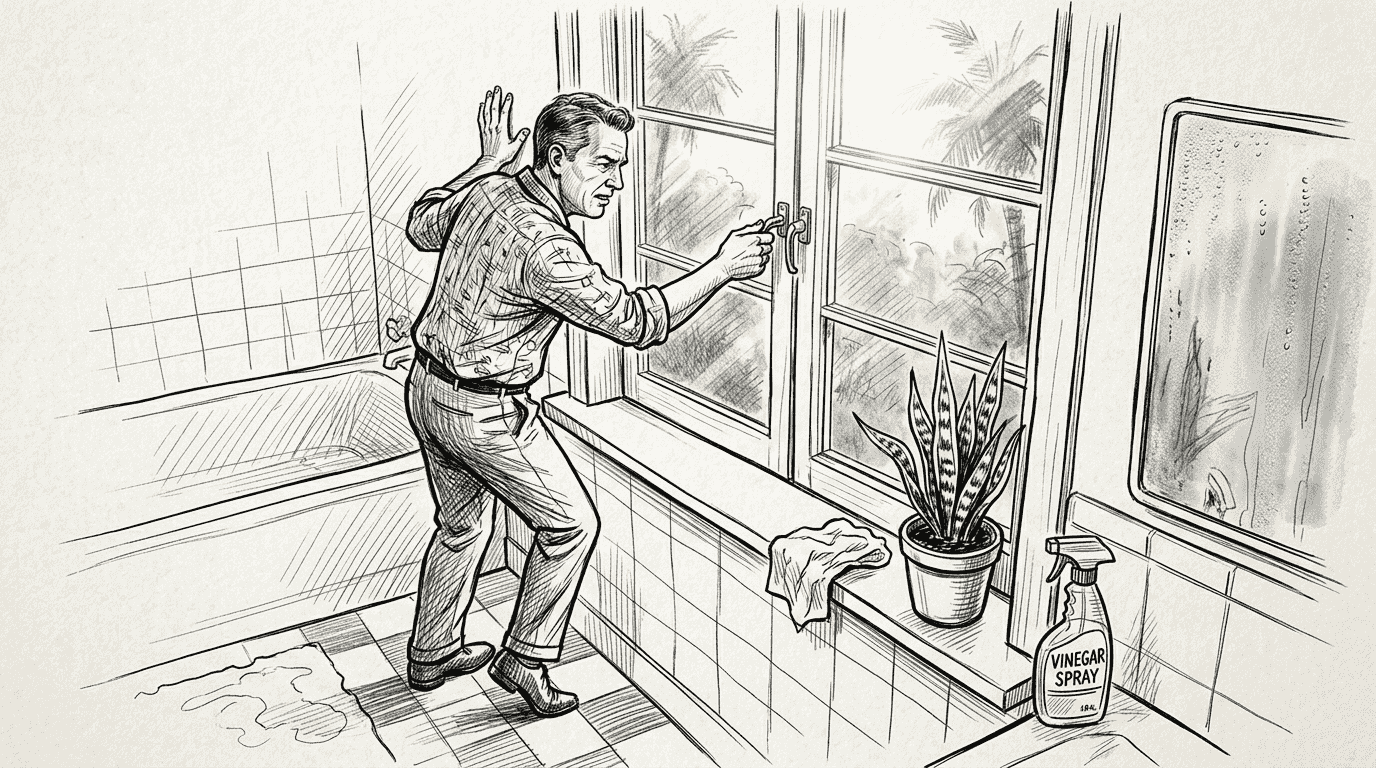
Balancing home cleaning frequency in LA with moisture control produces the best results. Run bathroom fans during showers and for 20 minutes afterward. Use kitchen ventilation while cooking, especially when boiling water or using the dishwasher. Consider a dehumidifier in particularly damp rooms to maintain humidity below 50%.
Pro Tip: Check under sinks, around toilets, and behind appliances monthly for signs of moisture or musty smells. These hidden areas often harbor mold before visible growth appears elsewhere.
Integrating natural cleaning approaches with proper ventilation creates a healthier home environment. Natural solutions reduce chemical exposure while mechanical ventilation addresses the root cause of many contamination issues. This combination approach tackles both existing pollutants and prevents future problems.
Effective sanitization: methods and best practices for a healthier home
Sanitization goes beyond routine cleaning by actively killing microorganisms that cause illness. While cleaning removes visible dirt and some germs, regular sanitation reduces airborne pathogens by up to 99.9% when you use EPA-registered disinfectants correctly. Understanding the difference between products and methods helps you choose the right approach for your home’s needs.
Different sanitization methods vary in effectiveness, so matching the method to your situation matters. This comparison helps you select appropriate products:
| Method | Effectiveness | Best Use | Considerations |
|---|---|---|---|
| Bleach solutions | Kills 99.9% of bacteria and viruses | Bathrooms, kitchens, hard non-porous surfaces | Requires proper dilution; never mix with other products; irritates respiratory systems |
| Quaternary ammonium compounds | Effective against most bacteria | Daily high-touch surface sanitizing | Less harsh than bleach; pleasant scent; some formulas leave residue |
| Hydrogen peroxide | Broad spectrum antimicrobial | Food prep areas, children’s toys | Non-toxic alternative; breaks down to water and oxygen; requires contact time |
| Alcohol-based sanitizers | Fast acting on most pathogens | Quick sanitizing between deep cleans | Evaporates quickly; flammable; less effective on porous surfaces |
Implementing a structured sanitization routine maximizes protection while minimizing effort. Follow these steps for comprehensive home sanitation:
- Identify high-touch surfaces requiring daily attention: doorknobs, light switches, cabinet handles, faucets, toilet handles, and countertops
- Clean before sanitizing because dirt and organic matter reduce disinfectant effectiveness
- Apply EPA-registered disinfectants and follow label instructions for proper contact time (usually 3 to 10 minutes)
- Allow surfaces to air dry rather than wiping immediately, ensuring maximum pathogen elimination
- Rotate sanitizing products periodically to prevent resistant strains from developing
The importance of home cleaning increases when you understand that sanitization works best as part of a comprehensive approach. Combine regular surface sanitization with proper ventilation and HEPA air filtration for optimal results. This layered strategy addresses airborne, surface, and moisture related contaminants simultaneously.
Smart efficient cleaning tips help busy homeowners maintain sanitation without overwhelming their schedules. Focus intensive sanitization on truly high-risk areas rather than treating every surface equally. Kitchens and bathrooms require daily attention while living areas may need less frequent deep sanitizing.
Pro Tip: Keep pre-moistened disinfecting wipes in multiple locations for quick sanitizing between thorough cleanings. Just verify they’re EPA-registered and use them within their expiration date for full effectiveness.
Never compromise safety for convenience. Always read product labels completely and never mix cleaning chemicals. Combining bleach with ammonia or acidic cleaners produces toxic gases that can cause serious respiratory damage or death. Open windows when using strong disinfectants to prevent dangerous fume accumulation.
Integrating your home cleaning checklist with targeted sanitization ensures nothing gets overlooked. Schedule specific days for different areas rather than attempting to sanitize your entire home at once. This sustainable approach prevents burnout while maintaining consistent protection against pathogens.
Common cleaning mistakes and expert tips for effective home sanitation
Even well-intentioned homeowners make critical errors that undermine their sanitization efforts. Using the wrong tools and mixing cleaning products rank among the most common causes of cleaning failures. These mistakes don’t just waste time and money but can actually spread contaminants or create dangerous situations.
The most dangerous error involves combining incompatible chemicals. Never mix bleach with ammonia or acidic cleaners like vinegar because this creates toxic chloramine or chlorine gas. These fumes cause immediate respiratory distress, burning eyes, and potentially fatal lung damage. Even products labeled “safe” can react unpredictably when combined. Use one cleaner at a time and rinse surfaces completely between products.
Cross-contamination represents another widespread problem that spreads germs rather than eliminating them. Using the same cloth to clean your toilet and then your kitchen counters transfers dangerous bacteria like E. coli and Salmonella directly to food preparation areas. This practice negates all your sanitization efforts and actually increases health risks.
Implement these expert strategies to avoid common pitfalls:
- Color-code microfiber cloths by room or task (red for bathrooms, blue for kitchens, yellow for dusting) to prevent cross-contamination
- Replace cleaning tools regularly because worn mops and sponges harbor bacteria even after washing
- Read product labels completely before use, paying attention to contact time, dilution ratios, and safety warnings
- Test products on inconspicuous areas first to prevent damage to surfaces
- Ventilate while cleaning to prevent toxic fume buildup and speed drying
The top-to-bottom cleaning rule is often executed poorly, reducing overall effectiveness. Start with ceiling fans and high shelves, working downward to baseboards and floors. This prevents freshly cleaned lower surfaces from getting re-contaminated by dust and debris falling from above. Save vacuuming and mopping as your final steps.
Pro Tip: Sanitize your cleaning tools themselves weekly by soaking microfiber cloths in hot water with oxygen bleach and running mop heads through a hot washing machine cycle. Clean tools are essential for effective sanitation.
Focusing too much on visible dirt while ignoring high-touch surfaces creates a false sense of security. Focus on high-touch surfaces and use color-coded microfiber cloths to improve sanitation outcomes. Door handles, light switches, and remote controls harbor more harmful bacteria than visibly dirty areas because they’re touched constantly throughout the day.
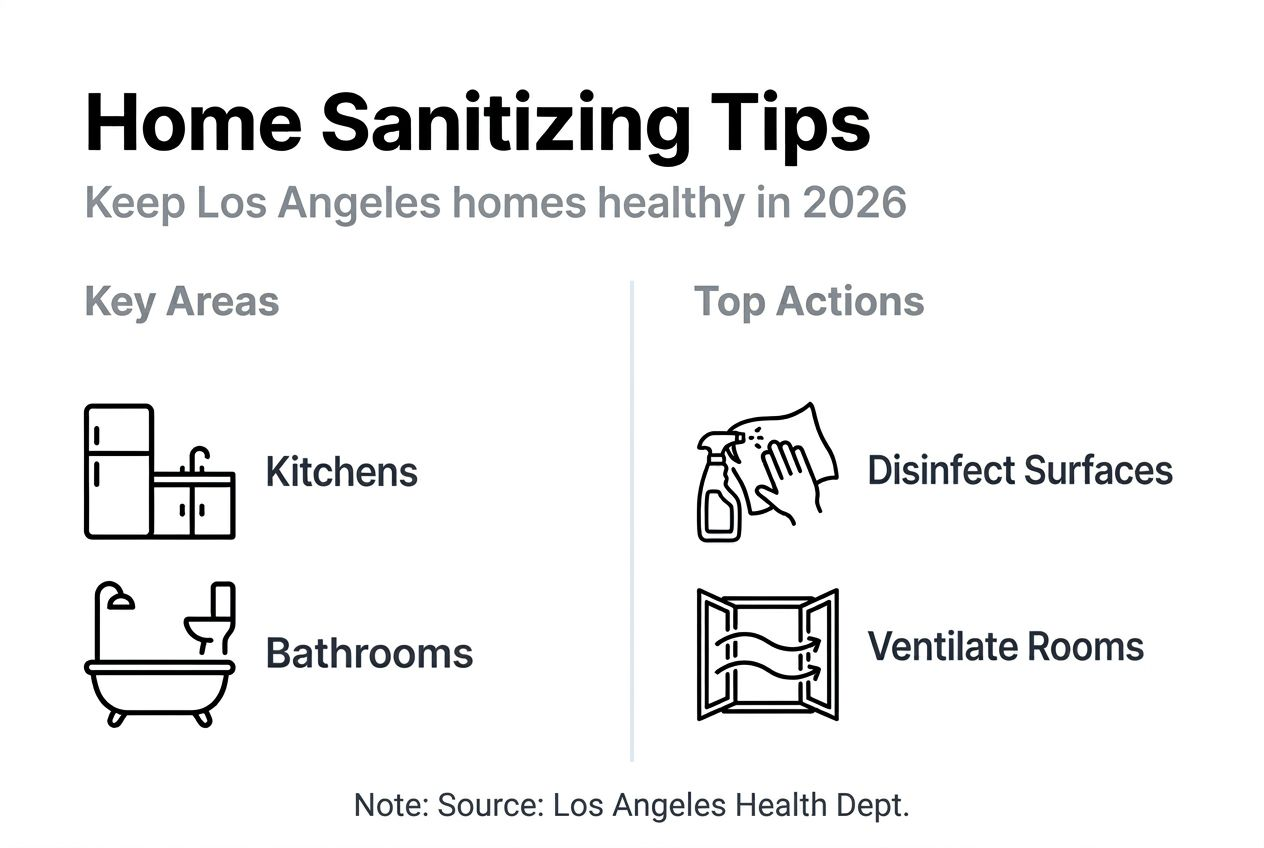
Timing matters more than most people realize. Disinfectants need adequate contact time to kill pathogens effectively. Spraying a surface and immediately wiping it dry provides minimal sanitizing benefit. Check your product label for the required wet contact time, typically ranging from 30 seconds to 10 minutes depending on the formula.
Understanding the benefits of regular cleaning helps maintain motivation for proper technique. When you know that correct sanitization prevents illness transmission and reduces allergen exposure, investing extra effort in proper methods becomes worthwhile. Small changes in how you clean produce dramatic improvements in home health.
Discover professional cleaning services for Los Angeles homes
Maintaining optimal home sanitation requires knowledge, time, and consistent effort that many busy LA residents struggle to sustain. Professional cleaning services in Los Angeles offer expert solutions tailored to our unique climate challenges and health concerns. Trained specialists understand which methods and products work best for different surfaces and situations, ensuring thorough sanitization that goes beyond surface-level cleaning.
The Maid Society serves Los Angeles families and professionals with comprehensive cleaning options designed to protect your health and well-being. Our vetted, trained team handles everything from regular maintenance to specialized services like move in cleaning that ensures your new home meets the highest sanitation standards from day one. We use proven techniques and EPA-registered products to eliminate pathogens, reduce allergens, and prevent mold growth.
Consistent professional care combined with your daily maintenance using our home cleaning checklist creates the healthiest possible home environment. You gain peace of mind knowing experts handle the deep sanitization while you focus on what matters most to you and your family.
FAQ
How often should I sanitize high-touch surfaces in my LA home?
Sanitize high-touch areas daily or immediately after gatherings when multiple people have been in your home. Focus on doorknobs, light switches, countertops, and bathroom fixtures. During cold and flu season or when someone is ill, increase frequency to twice daily for maximum protection.
What signs indicate mold growth I should watch for inside my home?
Look for fuzzy patches in white, green, or black colors on walls, ceilings, or around windows. Musty, earthy odors that persist after cleaning signal hidden mold. Check for condensation on windows, peeling paint, or warped surfaces near bathrooms and kitchens.
Can sanitizing alone improve indoor air quality if ventilation is poor?
Sanitizing reduces surface microbes but does not replace proper ventilation for overall air quality. Stagnant air allows allergens and VOCs to concentrate even in sanitized spaces. Use exhaust fans, open windows when weather permits, and consider HEPA air purifiers to improve airflow and capture airborne particles.
Are all cleaning products safe to use together in home sanitation?
Never mix bleach with ammonia or acidic cleaners like vinegar due to toxic gas production. Use one product at a time and rinse surfaces completely before applying different cleaners. Ensure good ventilation when using any strong disinfectants to prevent dangerous fume accumulation.
Recommended
- 7 Eco-Friendly Cleaning Tips for Healthy LA Family Homes
- 7 Must-Have Cleaning Habits for Busy Los Angeles Families
- 7 Key Advantages of Deep Cleaning for Los Angeles Families
- Benefits of Pre-Move-In Cleaning for LA Families
- ABA Home Care – Autism Doctor Search



Get Cleaning Tips & Exclusive Offers
Join our community for time-saving hacks and special discounts delivered to your inbox.