
TL;DR:
- Losing part of your security deposit for cleaning is often avoidable with proper preparation, documentation, and thorough cleaning.
- Understanding California law and utilizing pre-move-out inspections help ensure deductions are fair and justified.
Losing part of your security deposit to cleaning charges is one of the most frustrating things that can happen at the end of a lease, especially when the issue was completely preventable. Cleanliness is the top deduction reason, and AB-2801 now requires landlords to document the unit’s condition with photos before and after tenancy. That means the bar for proving your deposit was unfairly withheld just got higher. The good news is that with solid preparation, the right cleaning strategy, and documentation, most LA renters can avoid these deductions entirely.
Table of Contents
- Understanding LA’s deposit return laws and cleaning requirements
- Common cleaning pitfalls that cost renters their deposits
- Essential cleaning checklist for a full deposit return
- Should you clean yourself or hire a pro? Cost and documentation
- The uncomfortable truth: why most renters underestimate cleaning’s impact
- Expert help for your LA move-out: cleaning services that protect your deposit
- Frequently asked questions
Key Takeaways
| Point | Details |
|---|---|
| Cleaning is crucial | Neglected cleaning is the number one reason for LA renters losing security deposits. |
| Know your rights | LA tenants can request a pre-move-out inspection to prevent unnecessary deductions. |
| Checklist approach | Using an expert-driven move-out cleaning checklist dramatically increases your deposit return odds. |
| Pro documentation | Photos, receipts, and detailed cleaning records help resolve deposit disputes quickly. |
| Professional help pays | Investing in a move-out cleaning service often saves more than it costs by preventing costly deductions. |
Understanding LA’s deposit return laws and cleaning requirements
Before you pick up a sponge, it helps to understand exactly what landlords can and cannot charge you for. The law gives you more protection than most renters realize, but only if you know how to use it.
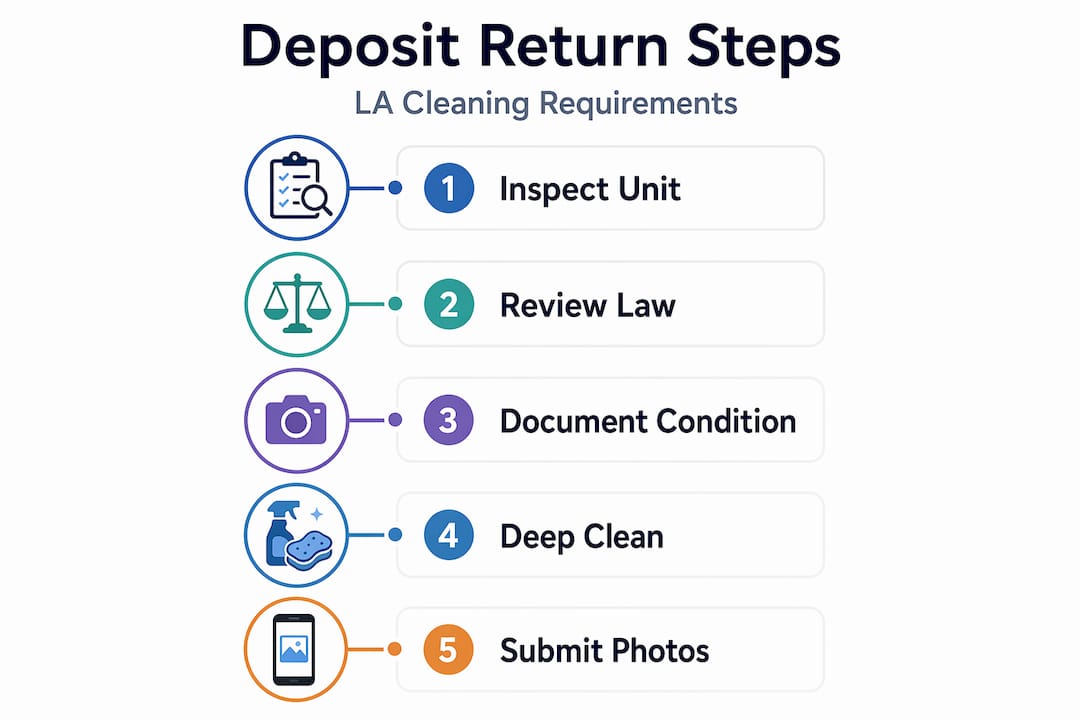
California Civil Code §1950.5 limits cleaning deductions strictly to restoring the unit to its move-in cleanliness level, excluding normal wear and tear. This is a critical distinction. Your landlord cannot charge you to make a five-year-old unit sparkle like new construction. The standard is the condition the property was in when you moved in, not a hypothetical ideal.
One of the most valuable and underused protections in California is the pre-move-out inspection. Tenants have the right to request this inspection within the last two weeks of tenancy. The landlord must provide a written list of issues you can fix yourself before the final walk-through. This gives you a concrete roadmap to follow and eliminates “surprise” deductions after you’ve already left.
Here’s a quick comparison of what landlords can and cannot legally deduct for:
| Deductible by landlord | Not deductible (normal wear and tear) |
|---|---|
| Grease buildup in oven or range hood | Light scuff marks on walls |
| Mold from neglect in bathroom | Minor carpet traffic marks |
| Pet stains in carpet or flooring | Small nail holes from hanging pictures |
| Dirty refrigerator coils or interior | Faded paint from sunlight |
| Trash or debris left behind | Worn cabinet hinges from regular use |
Understanding this table is genuinely powerful. Many renters pay for deductions they were never legally obligated to cover. Learn what move-out cleaning in LA actually involves so you can meet the standard confidently.
The bottom line: Your deposit is yours until the landlord proves otherwise with documented evidence. The law is on your side, but only if you leave the unit in move-in condition and have proof that you did.
When deductions are made, the landlord must provide itemized statements and receipts. Receipt and invoice requirements exist specifically to prevent vague or inflated charges. Knowing this upfront changes how you approach the entire move-out process.
Common cleaning pitfalls that cost renters their deposits
Knowing the law is one part. Next, let’s spotlight the actual cleaning issues that lead so many renters to lose money.
Most renters focus on the obvious areas, the living room, the bedroom floors, and the bathroom surfaces. But landlords and property managers do walk-through inspections with a checklist, and they check the spots most people overlook. Here are the most common cleaning failures that trigger deductions:
- Kitchen appliances: The oven interior, stovetop drip pans, and the area behind the refrigerator are frequently cited. Grease baked into an oven burner is not normal wear and tear, it’s neglect.
- Bathroom mold and grout: Tile grout that has turned black from mold growth, or caulk that is visibly deteriorated from moisture buildup, will almost always generate a cleaning charge.
- Baseboards and window tracks: These are classic “gotcha” spots. Dust and grime accumulate in window tracks and along baseboards and are easy to miss during a standard wipe-down.
- Carpet stains: Pet urine, food spills, and embedded dirt that go beyond normal traffic wear are high-value deduction triggers. In LA, many landlords require professional carpet cleaning in pet-friendly units.
- Blinds and window interiors: Dusty or grimy blinds and fingerprint-smeared interior windows are commonly cited, especially in sunny LA apartments where marks show clearly.
- Inside cabinets and drawers: Crumbs, sticky residue, and forgotten items inside kitchen and bathroom storage are cited more often than renters expect.
Landlord cleaning charge rules in California draw a clear line: tenants are protected from “deep clean” charges for ordinary wear, but landlords do need documented proof for deductions that go beyond a basic broom-clean standard. This cuts both ways. You are not required to leave the unit in showroom condition, but you are required to leave it genuinely clean.
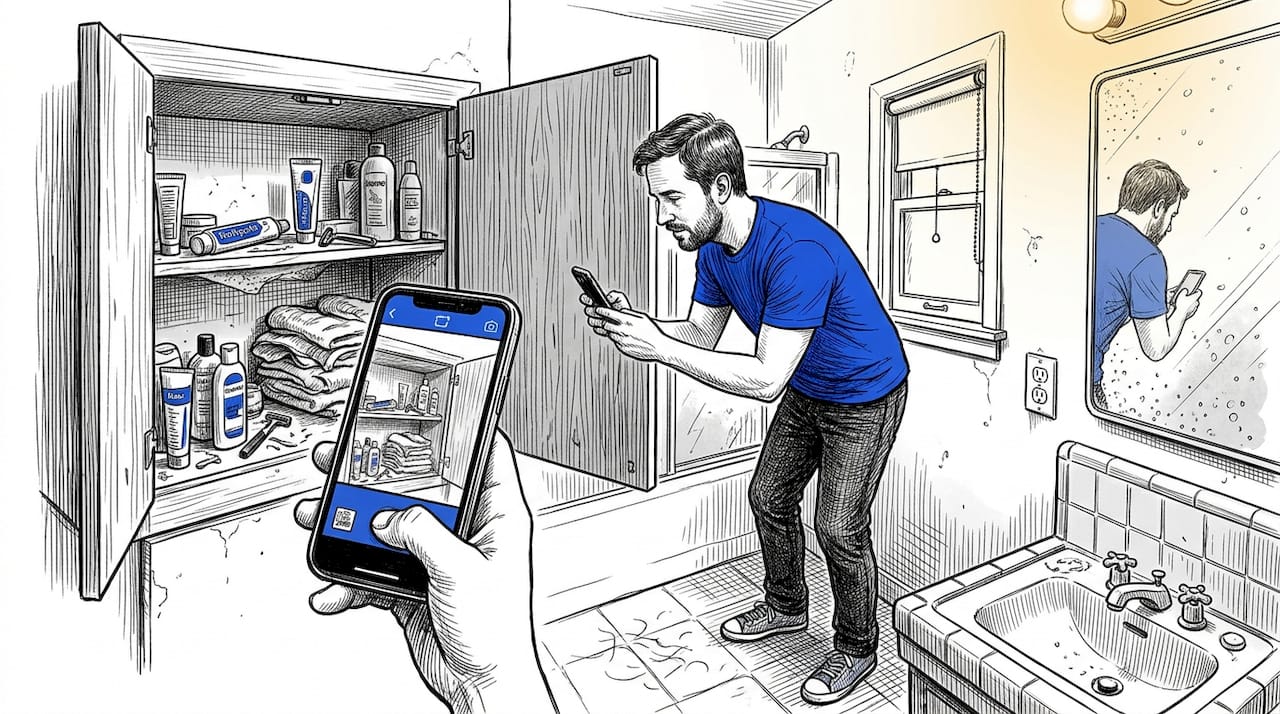
One thing many renters underestimate is the role of documentation. Take photos of every room, inside every cabinet, and behind every appliance before you hand over keys. A timestamped photo showing a clean oven on the day you left can make or break a dispute.
Pro Tip: Use the same room-by-room order as your landlord’s walk-through checklist. Cross-reference it with a professional tenant turnover cleaning prep guide so nothing gets skipped. Property managers who specialize in compliant property cleanouts follow detailed protocols that you can mirror for DIY cleaning.
Essential cleaning checklist for a full deposit return
To address these common missteps, here is an expert-approved checklist to guide your cleaning process and help you avoid deductions.
Start early. Ideally, begin your move-out cleaning two weeks before your final move-out date. This gives you time to handle tough jobs like oven degreasing and carpet spot treatment without rushing.
Room-by-room move-out cleaning priorities:
- Kitchen first: Degrease the oven interior, stovetop, range hood, and hood filter. Clean inside the refrigerator, including the drip tray. Wipe down all cabinet interiors and the space between appliances and counters.
- Bathrooms: Scrub grout lines and apply mold remover if needed. Re-caulk if existing caulk is visibly discolored. Clean the toilet base and behind the toilet. Wipe exhaust fans and replace covers if caked with dust.
- Floors and carpets: Mop hard floors, paying close attention to corners and edges. Vacuum carpets thoroughly, then address stains with a spot cleaner. Consider professional carpet cleaning for units with pets or heavy foot traffic.
- Windows and blinds: Clean interior glass with a streak-free solution. Wipe blind slats individually or soak removable blinds. Clear window tracks of debris using a vacuum brush attachment.
- Baseboards, doors, and trim: Wipe every baseboard in the unit. Clean door handles, light switch plates, and outlet covers. These are small details that signal a thorough cleaning job.
- Walls: Spot-clean scuffs with a magic eraser where appropriate, but avoid aggressive scrubbing that could damage paint and create a different kind of deduction.
- Garage and outdoor areas: Sweep garages and storage areas. Remove all personal property and debris. Hose down patios or balconies if applicable.
Key cleaning tasks for move-out include deep cleaning kitchen appliances, bathroom grout and mold treatment, baseboards, windows, and professional carpet cleaning when needed. These are the exact areas that experienced inspectors check first.
Here is a simple planning timeline to keep you on track:
| Timeframe before move-out | Task |
|---|---|
| 2 weeks out | Request pre-move-out inspection; begin appliance deep clean |
| 10 days out | Address carpets, window treatments, and mold in bathrooms |
| 1 week out | Finish baseboards, walls, and cabinet interiors |
| 2-3 days out | Full room-by-room walkthrough; photograph all cleaned areas |
| Move-out day | Final sweep; take timestamped photos; return keys |
Pro Tip: Print a physical copy of your move-out checklist steps and physically check off each item as you go. A written record of your own checklist completion, paired with photos, adds another layer of documentation you can use in a dispute. Review the final inspection process so you know exactly what the inspector is looking for when they walk through the unit.
The value of professional cleaning staff comes down to consistency. Trained cleaners follow systems, not moods. They do not skip the refrigerator drip tray because they are tired. That reliability matters when your deposit is on the line.
Should you clean yourself or hire a pro? Cost and documentation
Whether you tackle cleaning yourself or bring in professionals can make a major difference. Here is what you need to consider before deciding.
Professional move-out cleaning in LA costs $150 to $350 or more depending on the size of the unit, and for many renters, that investment is well worth it. A one-bedroom apartment cleaned by professionals to a verifiable standard, backed by a receipt, is a much stronger position than a DIY clean with no documentation.
Here is a comparison to help you decide:
| Factor | DIY cleaning | Professional cleaning |
|---|---|---|
| Cost | $30-$80 (supplies) | $150-$350+ |
| Time investment | 8-16+ hours | 3-5 hours (handled for you) |
| Thoroughness | Varies by effort | Consistent, checklist-based |
| Documentation | Photos only | Receipt, invoice, and photos |
| Dispute strength | Moderate | Strong |
| Risk of missing spots | Higher | Lower |
The documentation angle is worth focusing on. Landlords must return deposits or provide itemized deductions with receipts within 21 days of move-out, and deductions over $125 require actual invoices. That means if your landlord tries to deduct $300 for cleaning you already paid a professional to perform, their invoice needs to outweigh yours. It rarely does.
A professional receipt also signals to the landlord that you took the move-out seriously. Many landlords who might otherwise push borderline charges will step back when they see documented third-party cleaning.
If you go the DIY route, protect yourself with these steps:
- Photograph every area before and after cleaning, including inside appliances and cabinets.
- Keep all cleaning product receipts to show effort and investment.
- Request the pre-move-out inspection and get the written itemized list from your landlord in writing.
- Do a final walkthrough with a friend who can serve as an informal witness.
Use the move-out service comparisons available online to understand exactly what different service tiers cover so you can match the right level of professional help to your unit’s needs.
The uncomfortable truth: why most renters underestimate cleaning’s impact
Here is something we see time and again: renters spend hours cleaning what is visible and forget everything that is not. They scrub the bathroom sink until it shines but never touch the vent cover above it. They wipe the stovetop but ignore the grease film on the cabinet above the range. They vacuum but forget the baseboards and the tops of door frames.
The real issue is that renters approach the cleaning from a “living in it” perspective instead of an “inspector looking at it” perspective. Landlords and property managers have financial motivation to find issues, and they know exactly where to look. After managing properties for years, they develop an eye for the spots that renters consistently miss.
Vague instructions from a landlord, like “leave it clean,” almost always work against you because “clean” is subjective. Following an expert checklist aligned with California’s legal standard is the only way to make “clean” measurable and defensible. The role of cleaning in client satisfaction comes down to detail, not effort. You can work hard and still miss critical areas.
Our honest take: photos, pre-inspections, and third-party documentation are your strongest assets, even if you clean everything yourself. A clean unit without evidence is still a he-said, she-said situation. A clean unit with timestamped photos, a completed professional checklist, and a pre-inspection sign-off is a defensible record.
Expert help for your LA move-out: cleaning services that protect your deposit
For those who want full peace of mind and a streamlined move-out experience, professional support is the most direct route.
At The Maid Society, we built our professional move-out cleaning service specifically for Los Angeles renters navigating deposit situations. Our teams are trained on exactly what landlords and property managers look for during inspections.
Every job follows a thorough move-out cleaning checklist that covers appliances, bathrooms, carpets, baseboards, windows, and every overlooked corner in between. We provide documentation you can use, receipts, itemized scope of work, and a team you can trust to be thorough every single time. Whether you are in a studio apartment in Silver Lake or a three-bedroom in the Valley, we handle the details so your deposit comes back where it belongs: in your pocket.
Frequently asked questions
What cleaning tasks are most likely to cause deposit deductions in LA?
The most common deduction triggers are dirty kitchen appliances, bathroom mold and grout, stained carpets, and grime buildup in overlooked spots like baseboards and behind fixtures, all of which are key cleaning tasks inspectors check first.
Can a landlord deduct for cleaning if I hired a professional cleaner?
They can attempt to, but they must provide itemized invoices to justify any deduction, and landlords must document deductions over $125 with receipts, making your professional cleaning receipt a strong counter-document.
What is normal wear and tear versus an excess cleaning cost?
Normal wear includes minor carpet traffic marks and faded paint, while excess means stubborn grime, pet stains, or active neglect. California rules hold that tenants cannot be charged for deep cleaning beyond what exceeds basic broom-clean standards without documented proof.
How much does move-out cleaning cost in Los Angeles?
Professional move-out cleaning in Los Angeles typically runs $150 to $350 or more, depending on the size of the unit and the scope of work required.
Do I need to fix damage or just clean before moving out?
Both, actually. California Civil Code §1950.5 requires tenants to restore the unit to move-in condition, which means both cleaning and repairing tenant-caused damage. Cleaning alone will not cover holes in walls or broken fixtures.
Recommended
- Cleaning’s role in tenant satisfaction: 8.6% more renewals
- Short term rental cleaning guide for efficient turnovers
- Rental property cleaning checklist for LA landlords 2026
- Turnover Cleaning Best Practices: Faster Property Turns



Get Cleaning Tips & Exclusive Offers
Join our community for time-saving hacks and special discounts delivered to your inbox.