TL;DR:
- Most homeowners confuse cleaning with disinfecting, risking health and wasting money on unnecessary chemicals.
- Effective hygiene begins with thorough cleaning to remove dirt and germs before using disinfectants strategically.
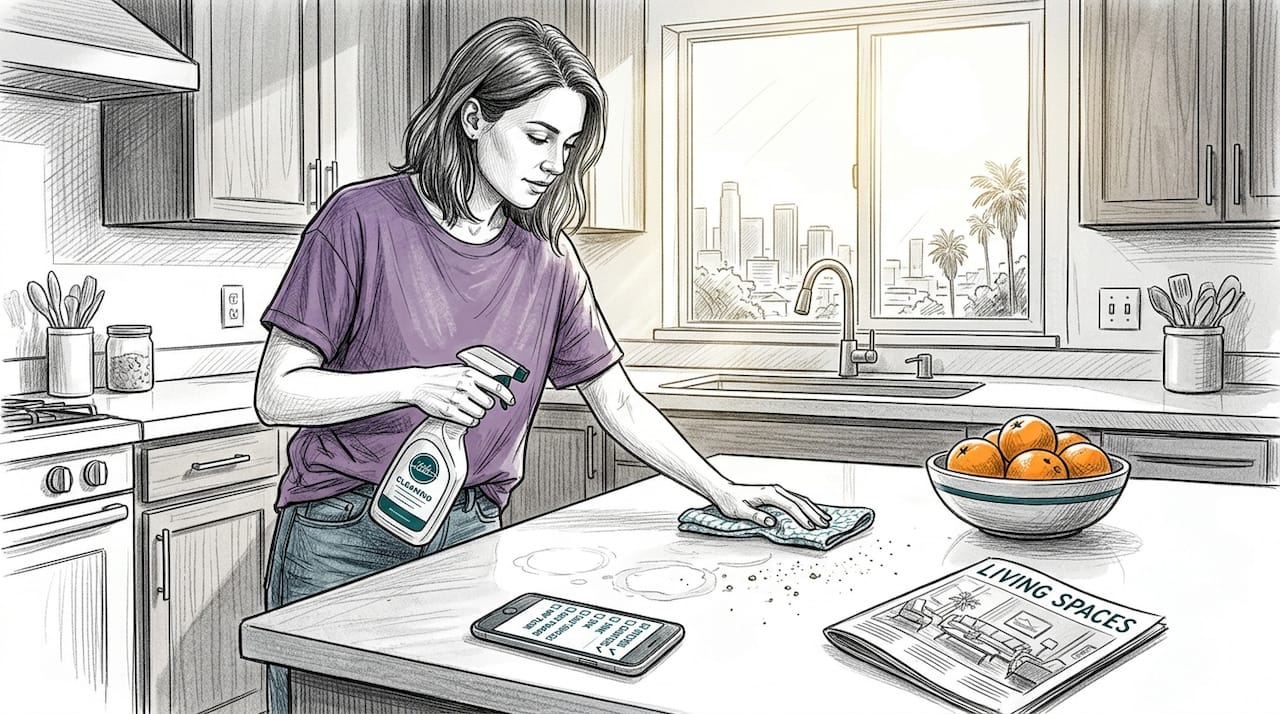
Most people reach for a disinfectant spray the same way they reach for a paper towel, automatically, without much thought. But treating cleaning and disinfecting as the same thing can leave your family exposed to real health risks or have you wasting money on chemicals you don’t actually need. According to CDC guidance, cleaning physically removes dirt and most germs using soap and water, while disinfecting uses chemicals to kill the germs that remain. Knowing which one your home needs, and when, is one of the most practical things you can do to protect your household without overcomplicating your routine.
Table of Contents
- Cleaning vs disinfecting: Clear definitions for LA homes
- When does your LA home actually need disinfecting?
- The correct sequence: Why ‘clean then disinfect’ matters
- Getting results: Product labels, contact time, and common mistakes
- Our perspective: Smarter home care means strategic, not excessive, disinfecting
- Streamline your home care with trusted LA cleaning support
- Frequently asked questions
Key Takeaways
| Point | Details |
|---|---|
| Understand each method | Cleaning removes dirt while disinfecting kills germs, and they are not interchangeable. |
| Disinfect strategically | Reserve disinfectants for high-risk situations like illness or after a contamination event. |
| Right order matters | Always clean first, then disinfect, to maximize effectiveness and minimize risks. |
| Read product labels | Follow label instructions and contact times to ensure disinfectants work as intended. |
Cleaning vs disinfecting: Clear definitions for LA homes
Building on that initial distinction, let’s define each step clearly and see how they compare side by side.
These three terms get tangled up constantly: cleaning, disinfecting, and sanitizing. They are not interchangeable. Each one does a specific job, uses specific products, and belongs in specific situations. Mixing them up doesn’t just waste effort. It can leave surfaces that look clean but still harbor dangerous pathogens, or expose your family to unnecessary chemical use.
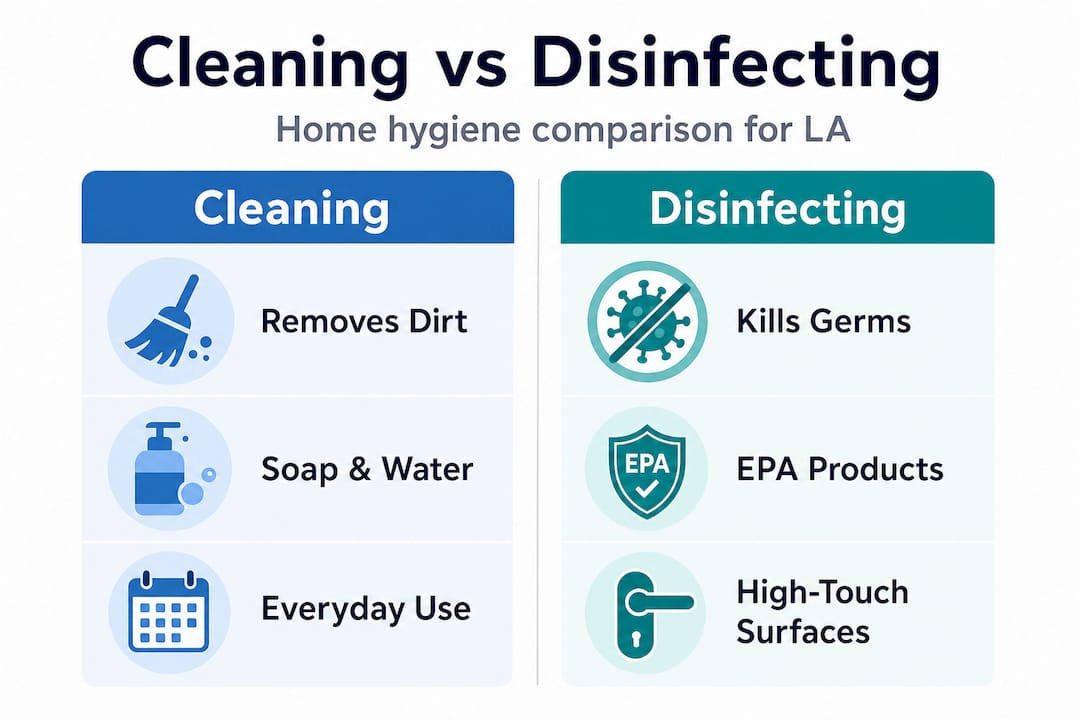
According to CDC guidance, cleaning removes dirt, dust, and most germs by physically scrubbing surfaces with soap or detergent and water. It doesn’t kill germs outright but removes them from the surface, which significantly lowers the risk of infection. Disinfecting goes further: it uses registered chemical products to kill viruses and bacteria that survive after cleaning. Sanitizing sits in the middle. The EPA clarifies that sanitizing reduces germs to safer levels but is not intended to kill viruses, making it a weaker option than disinfecting for illness scenarios.
| Process | Goal | Typical products | When to use |
|---|---|---|---|
| Cleaning | Remove dirt and most germs | Soap, detergent, water | Daily and weekly maintenance |
| Sanitizing | Reduce germs to safer levels | Food-safe sanitizers, some sprays | Kitchen counters, baby items |
| Disinfecting | Kill viruses and bacteria | EPA-registered disinfectants | After illness, high-touch zones |
Here’s what matters for LA households specifically. The city’s warm, dry climate can concentrate allergens like dust mites and mold spores in air-conditioned spaces. Wildfire season adds a layer of particulate matter that settles on surfaces indoors. Regular cleaning handles all of that effectively. You don’t need a disinfectant to tackle dust or smoke residue. What you need is a consistent cleaning routine that keeps those particles from building up in the first place.
Understanding home sanitation basics also matters because LA County has some of the strictest regulations around chemical use in residential spaces. Choosing the right product for the right job keeps your home both safe and compliant with local health standards.
“Cleaning removes dirt and impurities that disinfectants cannot penetrate. Skipping cleaning before disinfecting gives you the appearance of protection, not the reality of it.”
The core takeaway here: every healthy home routine should start with cleaning. Disinfecting is a targeted tool, not a daily habit.
When does your LA home actually need disinfecting?
With definitions in mind, it’s essential to know when disinfecting is truly necessary in a typical LA home environment.
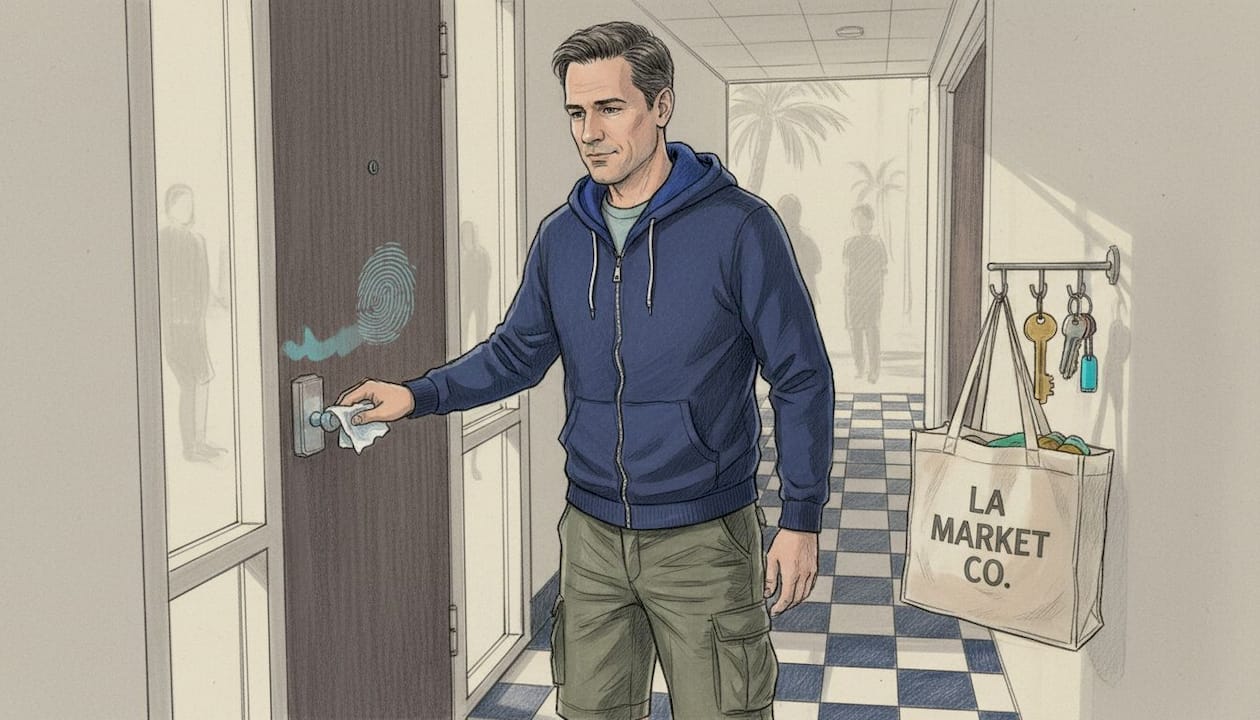
Here’s the truth that surprises most homeowners: for a healthy household, cleaning alone is enough most of the time. The CDC is clear on this point. Disinfection becomes necessary primarily when someone in the home is sick, immunocompromised, or at higher risk of infection. That’s not a license to skip it entirely, but it is a reason to stop reaching for the disinfectant spray every single day on every single surface.
LA County public health guidance reinforces this same message for local households: regular, consistent cleaning is your primary tool for infection prevention. Disinfecting supplements that routine when specific conditions call for it.
Situations where disinfecting IS needed:
- Someone in the home has a contagious illness like the flu, COVID-19, or a stomach bug
- A household member is immunocompromised, elderly, or very young
- You’ve handled raw meat in the kitchen and need to address the prep area
- A pet accident occurred on a hard surface
- You’ve just moved into a new property and don’t know the previous occupants’ habits
Situations where disinfecting is NOT needed:
- General everyday tidying of common rooms
- Wiping down a desk or bookshelf that accumulates dust
- Cleaning windows or mirrors
- Vacuuming carpets and rugs
- Removing smoke residue or allergens from surfaces
Pro Tip: Reserve disinfecting for high-touch surfaces like light switches, doorknobs, toilet handles, and faucet handles, especially during cold and flu season. For everything else, a good soap-and-water clean gets the job done without the cost or chemical exposure.
One thing that doesn’t get discussed enough is the cost of over-disinfecting. EPA-registered disinfectants cost more than basic cleaners, and using them everywhere daily adds up quickly. Beyond the financial waste, health and safety in LA homes can actually be undermined by excessive chemical exposure, particularly in homes with children, people with asthma, or anyone sensitive to volatile organic compounds (VOCs), which are the fumes released by many chemical disinfectants.
Understanding home sanitization in LA is about calibrating your approach, not maximizing it. The families who stay healthiest aren’t the ones using the most chemicals. They’re the ones cleaning consistently and disinfecting strategically.
The correct sequence: Why ‘clean then disinfect’ matters
Once you know when to disinfect, the next question is how to do it effectively and safely.
The sequence matters more than most people realize. Many LA homeowners spray a disinfectant directly onto a visibly dirty surface, wipe it off, and consider the job done. That’s not how disinfectants work. Dirt, grease, and organic matter physically block disinfectant chemicals from reaching the surface where germs live. California Department of Public Health (CDPH) documentation on cleaning and disinfection makes this explicit: soil and impurities interfere with disinfectant action, and skipping the cleaning step creates a false sense of protection.
Think of it this way. Spraying disinfectant on a greasy stovetop is like applying sunscreen over a layer of mud. The active ingredient can’t do its job because it never reaches the skin.
The correct process, step by step:
- Remove visible debris. Sweep, wipe, or rinse off any loose dirt, food particles, or surface grime before anything else.
- Clean the surface. Apply soap or detergent with water and scrub the surface thoroughly. Rinse well and let it dry or pat it dry.
- Apply the disinfectant. Use an EPA-registered disinfectant appropriate for the surface type and the germs you’re targeting.
- Respect the contact time. Let the product stay wet on the surface for the full dwell time listed on the label. This is non-negotiable for effectiveness.
- Rinse if required. Some disinfectants, especially those used near food prep areas, require a rinse step. Check the label.
The EPA also emphasizes that not every spray bottle in your cabinet qualifies as a true disinfectant. A product must be registered with the EPA for its specific claim to be legitimate. Using a general-purpose spray and calling it disinfecting is a common mistake that leaves surfaces inadequately protected.
Pro Tip: Before buying any disinfectant product, look for an EPA registration number on the label. If you don’t see one, it’s a cleaner or sanitizer, not a disinfectant, regardless of what the marketing says.
Skipping the sequence doesn’t just waste product. It also means you might be applying unnecessary chemicals to surfaces in your home, which creates cleaning hazards in LA homes that are entirely avoidable. Getting the order right protects your family and your budget at the same time.
Getting results: Product labels, contact time, and common mistakes
Even with the right process, using products correctly is just as vital to ensure safety and effectiveness.
Reading a product label might sound basic, but most homeowners skip it entirely. That’s where effectiveness breaks down. The label on a disinfectant is legally required to tell you exactly how to use the product to achieve the germ-killing results it claims. Ignoring those instructions doesn’t just reduce effectiveness. It can void any protection the product was designed to deliver.
The most overlooked piece of label information is contact time, also called dwell time. This is the amount of time a surface must remain visibly wet with the disinfectant for it to kill the target pathogens. Most people spray and wipe immediately, which is essentially just spreading the product around. EPA-backed research confirms that correct contact time is essential for the product to perform as advertised.
| Label term | What it means | Typical contact time |
|---|---|---|
| Disinfectant | Kills bacteria and viruses | 1 to 10 minutes |
| Sanitizer | Reduces germs to safer levels | 30 seconds to 2 minutes |
| Cleaner/degreaser | Removes dirt and grease | No kill claim |
| Antibacterial cleaner | May reduce some bacteria | Varies, check label |
Common mistakes LA homeowners make with disinfectants:
- Spraying and immediately wiping before the dwell time is met
- Using expired disinfectants (active ingredients degrade over time)
- Applying disinfectant to dirty surfaces without cleaning first
- Assuming “natural” or “green” sprays are disinfectants when they are not EPA-registered
- Mixing disinfectants with other cleaners, which can create harmful chemical reactions
- Using the wrong disinfectant for the surface material, which can cause damage
“A disinfectant that isn’t given enough contact time on a surface is no different than water. The chemistry requires time to work. Respecting that time is the difference between real protection and false confidence.”
Cleaning for wellness in LA is about making informed choices, not buying more products. LA residents who want healthier homes without the chemical overload should also explore eco-friendly cleaning in LA, which covers EPA-approved options that are safer for people, pets, and the environment while still meeting disinfection standards when used correctly.
Our perspective: Smarter home care means strategic, not excessive, disinfecting
After reviewing the research and working with LA households across the city, here’s what stands out most clearly to us: the homes that manage hygiene best are not the ones drenched in disinfectant. They’re the ones that clean regularly and disinfect deliberately.
There’s a quiet assumption in a lot of home care marketing that more chemicals equal more protection. That assumption is wrong, and it’s worth pushing back on directly. Over-disinfecting exposes your household to repeated chemical contact, particularly VOCs, which are linked to respiratory irritation and, with prolonged exposure, more serious health effects. It also contributes to the broader concern around antimicrobial resistance, where overuse of certain agents reduces their effectiveness over time across the population.
We’ve also seen the financial reality firsthand. Families who disinfect every surface daily spend significantly more on products than those who clean consistently and reserve disinfectants for targeted situations. The health outcomes don’t justify the cost difference.
Our practical tips for maintaining the right balance:
- Establish a regular cleaning schedule using soap, water, and microfiber cloths for daily and weekly tasks
- Create a short list of high-touch surfaces (doorknobs, toilet handles, faucets, light switches) and disinfect those on a targeted schedule, not a blanket one
- Reserve disinfectants for illness events or when a household member is at high risk
- Choose your products carefully using EPA-registered options that align with safe eco-friendly home cleaning principles
- Read labels every time because dwell times and usage instructions vary across product types
The healthiest home isn’t the most sanitized one. It’s the one where smart, consistent habits are maintained by people who understand what they’re doing and why.
Streamline your home care with trusted LA cleaning support
Building these habits takes time, consistency, and the right approach. For busy Angelenos managing work, family, and everything in between, staying on top of a smart cleaning routine can feel like one more thing on an already full list.
That’s where The Maid Society comes in. We’ve built our approach around evidence-based cleaning practices, trained our team to understand the real difference between cleaning, sanitizing, and disinfecting, and designed our services to match what your home actually needs. Whether you’re looking for regular maintenance cleaning, a full deep clean, or specialized services like move-in/move-out or post-construction, our cleaning services in Los Angeles are tailored to fit your situation. If you want to better understand the terminology behind what we do, our LA cleaning terminology guide is a great starting point. You shouldn’t have to guess what’s happening in your home. Let us help you take care of it properly.
Frequently asked questions
Do I need to disinfect every room in my LA home daily?
No, daily disinfecting is only necessary for high-touch areas when someone in the home is ill or at high risk. For healthy households, routine cleaning is sufficient for most rooms and surfaces.
What surfaces should I disinfect if someone in my home is sick?
Focus on high-touch surfaces like doorknobs, light switches, toilet handles, and bathroom faucets, making sure to follow label instructions for the required dwell time to ensure the product actually kills the targeted germs.
Is sanitizing the same as disinfecting?
No, they are different. The EPA defines sanitizing as reducing germs to safer levels without killing viruses, while disinfecting uses stronger chemicals specifically designed to kill both viruses and bacteria.
What is the most important step before using a disinfectant in my home?
Clean the surface first with soap or detergent and water to remove dirt and organic matter, because disinfectants need clean surfaces to penetrate effectively and deliver the protection they’re designed to provide.
Recommended
- Home sanitation basics: keep LA homes clean and healthy
- How Cleaning Safeguards Health and Safety in LA Homes
- How cleaning improves your health and wellness in LA
- Essential Cleaning Hazards to Avoid for a Safer LA Home


Get Cleaning Tips & Exclusive Offers
Join our community for time-saving hacks and special discounts delivered to your inbox.