TL;DR:
- Effective home allergen removal involves a multi-component approach targeting dust mites, pet dander, mold spores, and pollen. Regular HEPA vacuuming, hot water bedding washes, humidity control below 50%, and air filtration reduce allergy symptoms by up to 50% within 4 to 12 weeks. Tailoring strategies to confirmed sensitivities ensures the best results and minimizes wasted effort.
By L.K. | Themaidsociety | Updated 2026
{
  "@context": "https://schema.org",
  "@type": "Article",
  "headline": "Allergen Removal at Home: A 2026 Guide for Families",
  "author": {
    "@type": "Person",
    "name": "L.K."
  },
  "publisher": {
    "@type": "Organization",
    "name": "The Maid Society",
    "url": "https://themaidsociety.com"
  },
  "datePublished": "2026-01-01",
  "dateModified": "2026-01-01",
  "description": "Evidence-based allergen removal at home strategies for Southern California families, covering HEPA vacuuming, humidity control, bedding hygiene, and multi-component cleaning plans.",
  "mainEntityOfPage": {
    "@type": "WebPage",
    "@id": "https://themaidsociety.com"
  }
}
Table of Contents
- What allergens are common in homes?
- What are the most effective cleaning techniques for allergen removal?
- How do you build a tailored allergen removal plan?
- What precautions keep families safe during home allergen cleaning?
- Key Takeaways
- Perspective
- Professional allergen cleaning in Southern California
- FAQ
- Recommended Articles
Allergen removal at home is defined as the targeted, ongoing reduction of indoor allergens such as dust mites, pet dander, mold spores, and pollen through cleaning, filtration, and environmental controls. The American College of Allergy, Asthma and Immunology (ACAAI) and the CDC both recognize that indoor allergen exposure drives a significant share of allergy and asthma symptoms year-round. Single interventions rarely produce measurable relief. Multi-component strategies tailored to your specific sensitivities are what actually move the needle. For families in Los Angeles, Beverly Hills, Santa Monica, and across Southern California, where dry Santa Ana winds push outdoor particles indoors and mild winters keep allergen seasons long, getting this right matters more than most people realize.
What allergens are common in homes and how do they behave indoors? {#common-allergens}
Indoor allergens fall into five main categories, and each one behaves differently. Understanding that difference is what separates effective allergen management from wasted effort.
Dust mites live in bedding, carpets, and upholstered furniture. They thrive when indoor humidity climbs above 50%. Their waste particles are lightweight and become airborne with any disturbance, which is why making your bed vigorously can trigger sneezing within seconds.
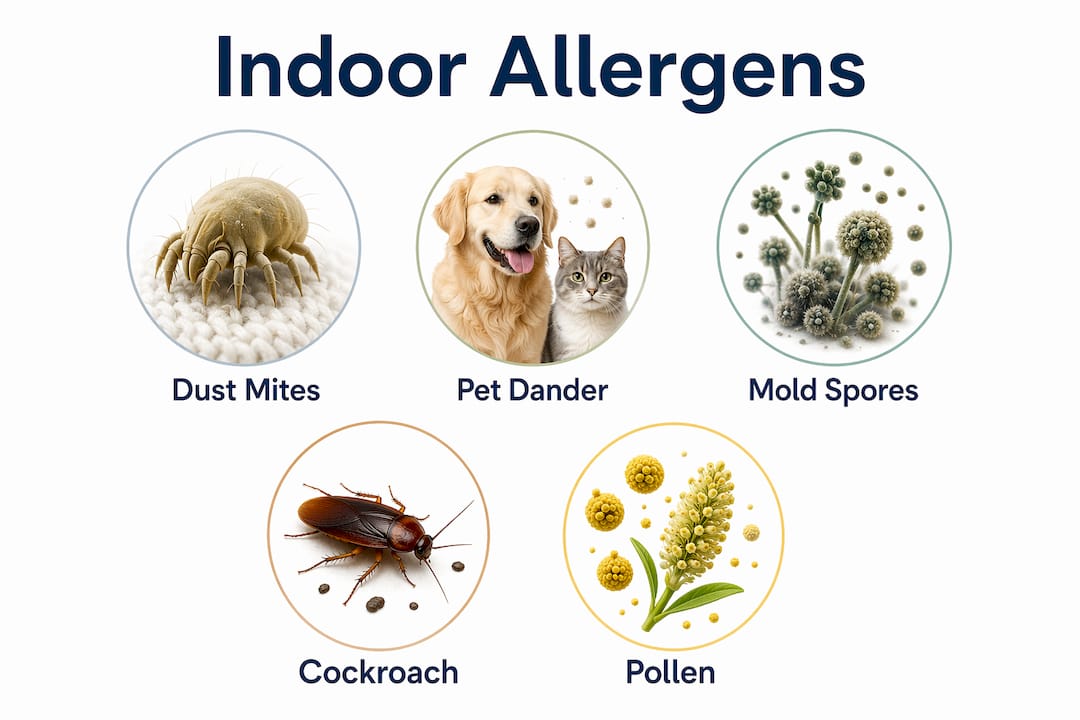
Pet dander from cats and dogs is the stickiest allergen on this list. It clings to walls, clothing, and soft surfaces. Pet allergens persist for up to 4–6 months after a pet leaves the home entirely. That persistence surprises most families who rehome a pet expecting immediate relief.
Mold spores travel through the air and settle wherever moisture collects. Bathrooms, under-sink cabinets, and window frames in coastal areas like Venice and Marina Del Rey are common reservoirs. Mold is not just a surface problem. It roots into grout, drywall, and wood if moisture is not controlled at the source.
Cockroach allergens are a significant trigger in urban neighborhoods across Los Angeles, including Koreatown, Hollywood, and West Adams. Their shed body parts and droppings become airborne dust particles that settle into carpets and furniture.
Pollen enters through open windows, on clothing, and on pets. Southern California’s year-round growing season means pollen pressure never fully stops. Unlike outdoor allergens, once pollen settles indoors on soft surfaces, it behaves like a surface allergen and requires the same removal tactics.
The key takeaway: surface-bound allergens like pet dander and pollen need physical removal through cleaning, while airborne allergens like mold spores and disturbed dust mite particles require filtration and humidity control. Most homes need both approaches running simultaneously.
What are the most effective cleaning techniques for allergen removal at home? {#cleaning-techniques}
Evidence-based allergen removal relies on a specific set of techniques. Doing them correctly matters as much as doing them at all.
HEPA vacuuming
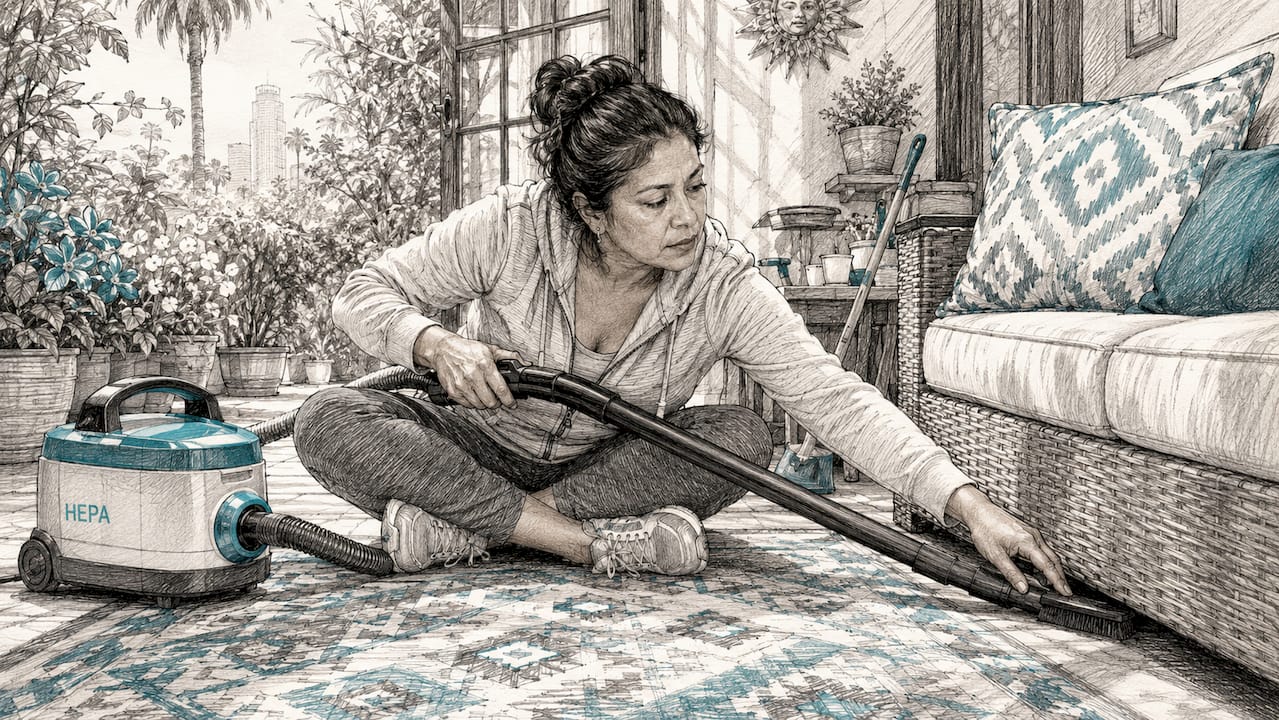
HEPA-filter vacuums with sealed systems capture 99.97% of particles as small as 0.3 microns, which covers dust mite waste, pet dander, and mold spores. Standard vacuums without sealed filtration recirculate fine particles back into the air. Vacuum high-traffic areas and pet zones at least twice weekly. Use slow, methodical passes rather than quick sweeps. Speed reduces contact time and leaves allergens behind.
Bedding hygiene
Wash bedding weekly in hot water at 130°F minimum, then dry on high heat for at least 30 minutes. That temperature kills dust mites reliably. Mattress and pillow encasements with allergen-proof zippers add a second layer of protection between washes. This combination is the single most impactful step for dust mite sufferers.
Damp surface cleaning
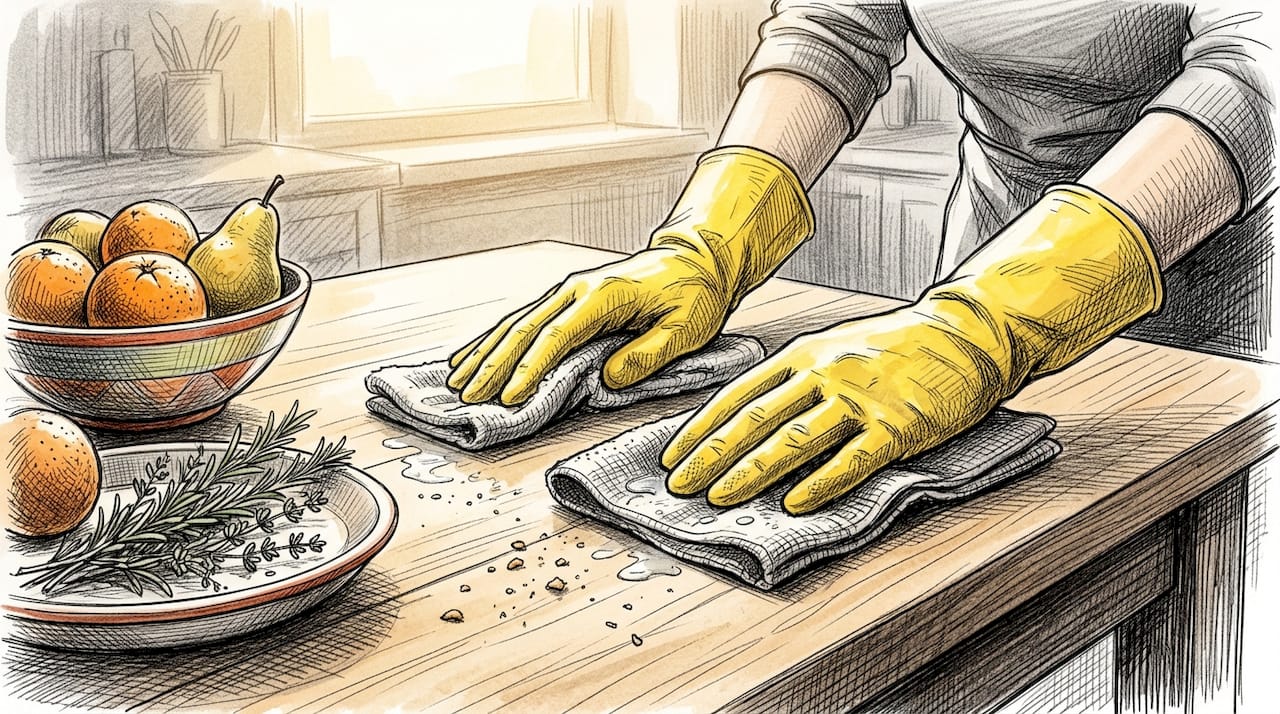
Dry dusting disperses allergens back into the air rather than removing them. Damp microfiber cloths trap particles on contact. Wipe hard surfaces, window sills, and baseboards with a damp cloth weekly. In homes with pets, wipe walls at pet height too, since dander clings to painted surfaces.
Humidity control
Maintaining indoor humidity below 50% suppresses dust mite growth and prevents mold from establishing. For homes with chronic dust mite problems, the target drops further. Complete dust mite elimination requires keeping humidity below 35% for most of each day. In Southern California’s coastal zones, a dehumidifier running alongside central AC achieves this reliably.
Air filtration
HEPA air purifiers combined with activated carbon filters capture airborne pollen, pet dander, and smoke particles when matched to the correct room size. Check the CADR (Clean Air Delivery Rate) rating against your room’s square footage before buying. Replace filters on the manufacturer’s schedule. A clogged filter does not just lose effectiveness. It can push trapped allergens back into circulation.
Pro Tip: Replace your HVAC filter every 60–90 days and upgrade to a MERV-13 rated filter. In Los Angeles neighborhoods near freeways, like Hawthorne, El Segundo, and Carson, outdoor particulate matter adds to indoor allergen load, and a better filter makes a measurable difference.
How do you build a tailored allergen removal plan? {#tailored-plan}
Multi-component, allergen-specific interventions can improve allergy symptoms by 25–50% within 4–12 weeks. That range exists because the right combination depends entirely on what you are actually sensitized to. A plan built around the wrong allergen wastes time and money.
Here is how to build one that works:
-
Confirm your sensitivities first. Skin prick testing or specific IgE blood tests identify which allergens your immune system actually reacts to. This is the step most families skip. Without it, you may spend months controlling dust mites when pet dander is the real driver.
-
Address dust mites with a three-part system. Combine allergen-proof mattress and pillow encasements, weekly hot-water washing of all bedding, and HEPA vacuuming of carpets and upholstery. No single piece of this system works as well alone.
-
Manage pet allergens aggressively. Keep pets out of bedrooms entirely. Run a HEPA purifier in the bedroom 24 hours a day. Vacuum upholstered furniture twice weekly. Bathe dogs weekly if tolerated. Remember that pet allergens persist for months even after thorough cleaning, so expect gradual improvement rather than immediate relief.
-
Control mold at the moisture source. Fix leaks, improve bathroom ventilation, and use a dehumidifier in problem areas. Surface cleaning with mold-killing products addresses visible growth, but without fixing the moisture source, mold returns within weeks.
-
Layer air filtration over physical cleaning. HEPA purifiers handle what vacuuming and wiping cannot: particles already suspended in the air. Place purifiers in bedrooms and main living areas where you spend the most time.
-
Commit to consistency. Allergen management is a year-round task. Indoor allergens like dust mites and mold do not follow seasonal patterns the way outdoor pollen does. A two-week cleaning blitz followed by months of neglect resets your progress entirely.
Pro Tip: Track your symptoms in a simple weekly log alongside your cleaning schedule. Patterns become visible within 4–6 weeks and tell you which interventions are actually working in your specific home.
What precautions keep families safe during home allergen cleaning? {#precautions}
Cleaning disturbs allergens before it removes them. Without the right precautions, the process itself can trigger symptoms.
- Wear a mask when vacuuming. Vacuuming releases allergen particles into the air temporarily. If you are allergic, wear an N95 mask during the task and wait 20 minutes before re-entering the room. Better yet, have a non-allergic family member handle vacuuming.
- Never dry dust. Dry dusting moves allergens from surfaces into the air where you breathe them. Always use a damp microfiber cloth or a damp mop on hard floors.
- Keep windows closed during high pollen periods. The ACAAI recommends closing windows during pollen season and relying on AC and HEPA filtration for fresh air. In Southern California, tree pollen peaks in late winter and spring, while grass pollen runs through summer.
- Replace HVAC and purifier filters on schedule. A dirty filter stops capturing allergens and can become a mold reservoir itself. Mark filter replacement dates on your calendar.
- Reduce clutter. Decorative objects, stacked magazines, and fabric-covered surfaces collect dust and make thorough cleaning harder. Minimizing clutter in bedrooms and living areas cuts the time needed to clean effectively.
- Manage pet dander in shared spaces. Wash pet bedding weekly. Wipe pets down with a damp cloth after outdoor time to reduce pollen transfer indoors. In homes in Brentwood, Pacific Palisades, or Los Feliz where outdoor access is frequent, this step prevents significant pollen infiltration.
The indoor air quality in LA homes is affected by both regional outdoor conditions and indoor habits. Southern California’s low humidity in summer actually helps suppress dust mites naturally, but the dry air also keeps allergen particles airborne longer once disturbed. That means cleaning technique matters even more here than in humid climates.
Key Takeaways {#key-takeaways}
Effective allergen removal at home requires a consistent, multi-component approach built around your specific sensitivities, not a single product or one-time deep clean.
| Point | Details |
|---|---|
| Confirm sensitivities first | Skin prick or IgE blood tests identify your actual triggers before you invest in any removal strategy. |
| HEPA vacuuming is non-negotiable | Sealed HEPA systems capture 99.97% of allergen particles; vacuum high-traffic areas at least twice weekly. |
| Hot water bedding washes kill dust mites | Wash at 130°F minimum weekly; add allergen-proof encasements for full protection. |
| Humidity control suppresses mites and mold | Keep indoor humidity below 50%, and below 35% for chronic dust mite problems. |
| Multi-component plans outperform single fixes | Combining filtration, cleaning, and humidity control can reduce symptoms by 25–50% within 4–12 weeks. |
Why I stopped trusting “quick fix” allergen advice {#perspective}
After years of watching families in Los Angeles struggle with persistent allergy symptoms despite buying every gadget on the market, I have come to one firm conclusion: the single-product approach is the biggest money sink in home health.
Families in Culver City and West Hollywood spend hundreds on air purifiers, then keep dry dusting their shelves and sleeping on unwashed pillows. The purifier runs, the allergens stay. The problem is not the product. It is the missing system around it.
What I have seen work, consistently, is treating allergen management the way you treat cleaning for long-term wellness: as a set of interlocking habits, not a one-time event. The families who see real improvement are the ones who combine HEPA vacuuming, hot bedding washes, humidity monitoring, and air filtration, all running together, week after week.
Southern California’s climate adds a wrinkle most national advice ignores. Our mild winters mean allergen seasons overlap. Tree pollen, grass pollen, and mold can all be active at the same time in February. That means your plan cannot be seasonal. It has to be permanent.
The other thing I would push back on: the idea that professional cleaning is a luxury for allergy sufferers. For busy families in Manhattan Beach, Redondo Beach, or Burbank, a professional deep clean every month or two resets the allergen baseline in ways that weekly maintenance simply cannot match. It is not replacing your habits. It is making them more effective.
— Lyndsey
Professional allergen cleaning in Southern California {#promo}
Themaidsociety serves families across Los Angeles, Beverly Hills, Santa Monica, Westwood, Hawthorne, Long Beach, and dozens of other Southern California communities with residential cleaning built around the methods covered in this guide.

Our team uses HEPA-filter vacuums, damp microfiber cloths, and allergen-aware cleaning protocols on every visit. Whether you need a standard cleaning service to maintain your allergen control plan or a full deep clean to reset a high-allergen home, we match the service to what your family actually needs. Fully vetted, detail-oriented, and trusted by busy families across the region. Contact Themaidsociety to schedule a cleaning that works for your home and your health.
FAQ {#faq}
What is the fastest way to reduce allergens at home?
The fastest measurable improvement comes from washing all bedding in hot water at 130°F, vacuuming with a sealed HEPA system, and running a HEPA air purifier in the bedroom. These three steps together address the highest-exposure areas first.
How often should I vacuum to control allergens?
Vacuum high-traffic areas and any room where pets spend time at least twice weekly. Use a sealed HEPA vacuum and move slowly to maximize particle capture.
Do air purifiers actually remove allergens?
HEPA air purifiers combined with activated carbon filters effectively capture airborne pollen, pet dander, and mold spores when sized correctly for the room. They complement physical cleaning but do not replace it.
How long does it take to see improvement after starting allergen removal?
Multi-component interventions typically produce noticeable symptom improvement within 4–12 weeks when applied consistently. Single measures alone rarely produce measurable change.
Can I remove pet allergens after rehoming a pet?
Pet allergens persist for up to 4–6 months after a pet leaves the home. Aggressive HEPA vacuuming three times per week and deep textile cleaning reduce levels over time, but expect gradual rather than immediate improvement.
Recommended Articles {#recommended-articles}
- 7 Key Advantages of Deep Cleaning for Los Angeles Families
- Pet-Friendly Cleaning Workflow: Keep Pets Safe and Home Fresh
- Improve Indoor Air Quality: Cleaning Solutions for LA Homes
- Why Professional Cleaning Matters for Busy Lives
- Cleaning Frequency: Maximizing Home Comfort in LA
Looking to grow your residential cleaning business or manage client communications more effectively? ConvertLabs offers tools built for service businesses like ours.
Recommended
- How to Clean Busy Home Naturally: A Step-by-Step Guide
- Why Privacy Matters with Cleaners: A 2026 Guide
- Why sanitize your home for health in Los Angeles 2026
- Keep your LA home clean and your kids safe



Get Cleaning Tips & Exclusive Offers
Join our community for time-saving hacks and special discounts delivered to your inbox.