TL;DR:
- Mixing cleaning products can produce toxic gases and should be strictly avoided.
- Using excessive cleaners causes residue buildup, making surfaces dirtier and worsening indoor air quality.
- Proper ventilation and PPE are essential to prevent chemical exposure during home cleaning.
Cleaning your home feels routine until something goes wrong. A rash from an unknown chemical reaction, a sudden headache after scrubbing the bathroom, or a lingering chemical smell that won’t go away — these are signs that everyday cleaning habits can quietly turn dangerous. Mixing cleaning products can create toxic exposures and serious harm, yet millions of homeowners do it without realizing the risk. In this guide, we break down the most critical cleaning hazards LA homeowners face and give you concrete steps to clean safely every time.
Table of Contents
- 1. Avoid mixing chemicals: The most dangerous cleaning mistake
- 2. Overusing cleaners: Why ‘more’ isn’t better
- 3. Poor ventilation and PPE: The invisible safety hazards
- 4. Ignoring safety regulations: New rules for LA homes
- 5. Key comparison: Top cleaning hazards and how to prevent them
- Our take: Why most cleaning hazards in LA homes are preventable
- Professional help for a safer, healthier home
- Frequently asked questions
Key Takeaways
| Point | Details |
|---|---|
| Never mix cleaners | Mixing products like bleach with vinegar or ammonia can produce highly toxic gases. |
| Use correct amounts | Overusing cleaning products can create residue and attract more dirt instead of cleaning better. |
| Ventilate and use PPE | Good airflow and the right safety gear protect you from fumes and splashes during cleaning. |
| Know your duties | If you hire cleaning help in LA, you must follow new safety requirements under Cal/OSHA. |
| Prioritize safe habits | Basic routines—reading labels, ventilating, keeping chemicals away from children—prevent nearly all major cleaning hazards. |
1. Avoid mixing chemicals: The most dangerous cleaning mistake
This is the number one cleaning hazard in most homes, and it can become life-threatening fast. The problem is that many common household cleaners look harmless sitting on a shelf. But combine the wrong two, and the reaction can release toxic gases in seconds.
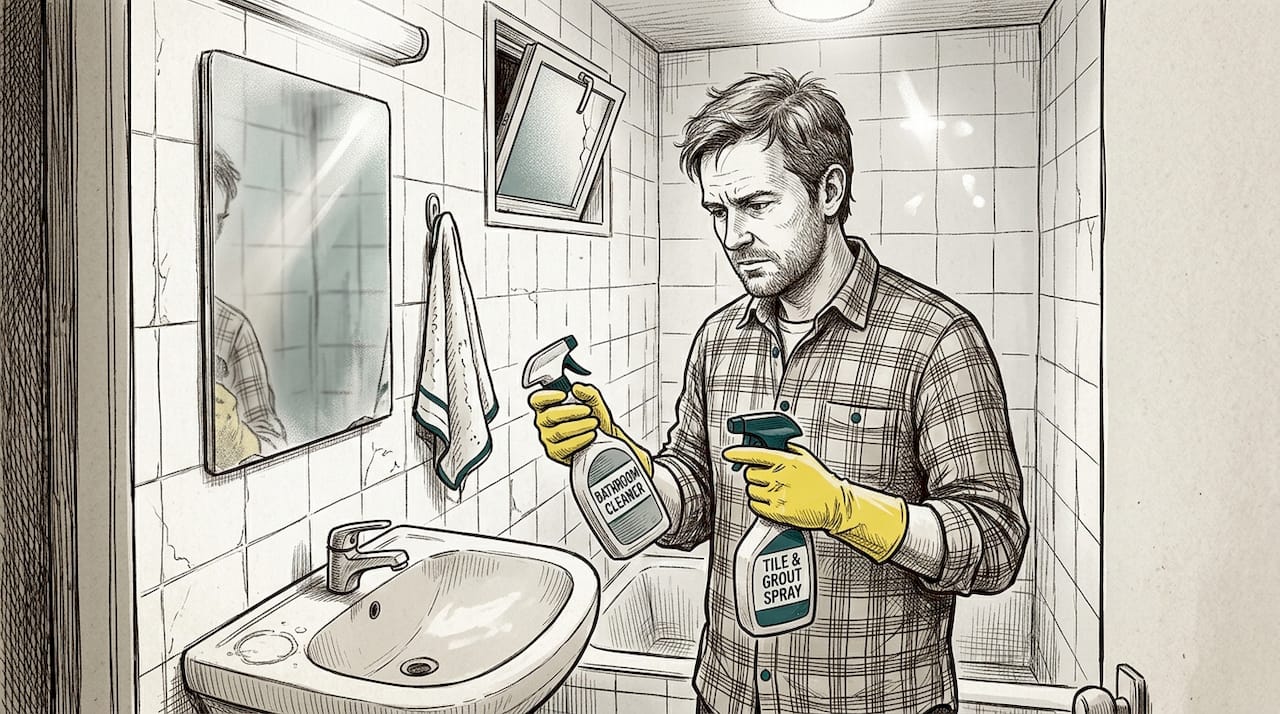
The CDC warns clearly that you should never mix cleaning products or chemicals with each other, because this can create toxic exposures and serious harm. What does that look like in practice? Think about a homeowner who sprays bleach on a bathroom tile and then follows up with a vinegar-based cleaner to “boost” the effect. That combination is genuinely dangerous.
According to New Jersey’s occupational health hazard alert, bleach mixed with ammonia creates chloramine gases, and bleach combined with any acid, including vinegar, produces chlorine gas. Both gases can cause serious injury, even in small amounts.
Common dangerous chemical combinations to avoid:
- Bleach and ammonia (found in many glass and multi-surface cleaners)
- Bleach and vinegar or other acidic cleaners
- Bleach and rubbing alcohol
- Hydrogen peroxide and vinegar used together on the same surface
- Different drain cleaning products mixed in the same drain
Symptoms of exposure include coughing, burning eyes, difficulty breathing, dizziness, and nausea. If you experience any of these while cleaning, leave the area immediately, get fresh air, and call Poison Control at 1-800-222-1222.
The fix is simple but requires discipline. Read every product label before you use it. Stick to one cleaner per surface per session. If you want to switch products, rinse the surface thoroughly with water first and let it dry before applying something new. You can also look into a natural home cleaning guide for safer single-ingredient options that work well in LA homes.
Pro Tip: Keep a permanent marker in your cleaning caddy and write “DO NOT COMBINE” on any bleach-based product. That visual reminder adds a small but effective safety check every time you reach for it.
2. Overusing cleaners: Why ‘more’ isn’t better
Most people assume that if a little cleaner does a good job, twice as much will do it better. That is not how cleaning products work, and using too much can actually make your home dirtier and less healthy over time.
Overusing cleaners leaves residue and can make indoor conditions worse. That sticky film left behind on counters or floors after excessive product use acts like a magnet for new dirt and bacteria. You end up cleaning more often and spending more money for worse results.
Manufacturers spend significant time and resources testing exactly how much product is needed for effective cleaning. The dilution ratios and application amounts on the label are not suggestions. They are the formula that actually works. When you apply three times the recommended amount to your kitchen floor, you are not tripling the clean. You are tripling the residue, the chemical exposure, and the rinsing required to remove it.
What happens when you use too much cleaning product:
- Floors become sticky and attract more foot traffic grime
- Counters develop a dull film over time from product buildup
- Air quality inside your home worsens due to excess fumes and residue
- Surfaces like wood and stone can degrade faster from over-saturation
- You spend more on product without getting better results
“More product rarely means a better clean. It usually means a bigger mess to deal with later.” — The Maid Society
Improving indoor air quality starts with using products correctly, not abundantly. In fact, good cleaning and wellness go hand in hand, and that connection is easy to miss when you focus on scrubbing power instead of safe application. Understanding the importance of home cleaning as a health practice rather than just an aesthetic one helps shift your mindset entirely.
Pro Tip: Save money and protect your surfaces by measuring out only what you need. Many spray bottles have fill lines for a reason. Use them.
3. Poor ventilation and PPE: The invisible safety hazards
You can use the right product in the right amount and still put yourself at risk if you are doing it in a closed-off bathroom with zero airflow and bare hands. Ventilation and personal protective equipment, meaning PPE such as gloves and goggles, are two of the most overlooked parts of a safe cleaning routine.
The CDC recommends wearing PPE and ensuring good ventilation during indoor use of disinfectants and cleaners. This is especially relevant in LA homes where small bathrooms, poorly ventilated laundry areas, and interior kitchens are common.
Sprays and disinfectants release fine particles into the air that you breathe in. Without airflow, those particles concentrate quickly. Fumes from products like bathroom disinfectants, oven cleaners, and tile sprays can irritate the respiratory tract, trigger headaches, and cause eye and skin reactions even at normal usage levels.
Simple steps to improve ventilation and stay protected:
- Open windows and doors before you start cleaning any room
- Run bathroom and kitchen exhaust fans during and after cleaning
- Use a portable fan to push air toward an open window when needed
- Wear rubber or nitrile gloves any time you handle disinfectants or bleach-based products
- Use goggles when spraying overhead surfaces or using strong chemical cleaners
- Wear a mask if you are sensitive to fumes or using aerosol products
Here is a quick reference for common cleaning tasks and what protection you need:
| Cleaning task | Recommended ventilation | PPE needed |
|---|---|---|
| Bathroom disinfecting | Open window plus fan | Gloves and goggles |
| Kitchen degreasing | Range hood on plus open window | Gloves |
| Floor mopping | Open door or window | Gloves |
| Oven cleaning | All windows open | Gloves, goggles, and mask |
| Laundry area bleach use | Exhaust fan plus open door | Gloves and goggles |
| General multi-surface spray | Window open | Gloves |
To learn more about the tools that support safe cleaning at home, check out this guide on cleaning equipment and PPE. Having the right gear within reach makes it far more likely you will actually use it instead of skipping it when you are in a rush.
4. Ignoring safety regulations: New rules for LA homes
If you have ever hired a housekeeper, a cleaning crew, or any domestic worker to help around your home, you need to know that California updated the rules in 2025. As a homeowner who employs cleaning help, you now have specific legal responsibilities under California labor law.
Cal/OSHA protections for domestic service workers took effect in 2025. These rules require employers, including individual homeowners, to manage hazards, provide safe tools, supply PPE, and offer training to anyone performing cleaning work in their home.
This is not just a workplace issue. It has direct implications for how you stock your home, what products you keep on hand, and whether the cleaning environment you maintain is legally and ethically safe for the people who work in it.
As a homeowner who hires cleaning help, here is what you are now required to do:
- Identify and manage known hazards in your home related to the cleaning work being performed
- Provide safe, functioning cleaning tools and equipment
- Supply appropriate PPE including gloves, goggles, and masks when needed
- Offer basic hazard and safety information or training before work begins
- Ensure cleaning products used are properly labeled and stored safely
California is leading the country in recognizing domestic workers as professionals who deserve the same safety protections as workers in any other industry.
Understanding these obligations protects you legally and protects the people who help keep your home clean. Reviewing LA home sanitation basics is a good starting point for building a safer cleaning environment overall.
5. Key comparison: Top cleaning hazards and how to prevent them
All of the hazards above can be prevented with the right knowledge and a few consistent habits. Here is a quick-reference table to help you identify the risk and match it to the right prevention step.
| Hazard | What causes it | Risk level | Prevention step |
|---|---|---|---|
| Mixing chemicals | Combining bleach with vinegar, ammonia, or alcohol | High | One product per surface; rinse between products |
| Overusing cleaners | Applying more than the label recommends | Medium | Measure amounts; follow dilution instructions |
| Poor ventilation | Cleaning in enclosed spaces without airflow | Medium to High | Open windows, run fans, use exhaust systems |
| Skipping PPE | Cleaning without gloves, goggles, or masks | Medium | Wear gloves for all disinfectants; goggles for sprays |
| Ignoring Cal/OSHA rules | Not meeting legal duties when hiring cleaning help | Legal risk | Review 2025 domestic worker rules; provide tools and training |
Use this table as a checklist before you start a deep clean or bring in outside help. Cleaning safety does not require a chemistry degree. It requires attention and a few basic habits applied consistently.
Our take: Why most cleaning hazards in LA homes are preventable
Here is something we see constantly in our work across Los Angeles: the hazards are almost never the result of bad intentions. They are the result of rushing.
LA life moves fast. Between school pickups, work deadlines, and social commitments, cleaning often happens in stolen windows of time. That rushed pace is exactly when people skip labels, mix whatever is under the sink, or close the bathroom door to muffle the noise of a spray bottle. Those small shortcuts stack up into real risks.
The local climate makes things more intense. LA’s warm weather means that fumes from cleaning products build up and linger longer in enclosed spaces than they would in cooler climates. Small apartments and townhomes with limited ventilation make that problem worse, not better. Homeowners here genuinely need to be more deliberate about airflow than people in other parts of the country.
There is also a cultural tendency to associate strength with effectiveness. Harsher smells, stronger sprays, more product — these feel like signals that something is working. But that instinct is misleading. A well-applied, correctly diluted cleaner on a well-ventilated surface will outperform a doubled dose in a closed room every single time.
The most practical mindset shift we recommend is this: treat cleaning like cooking. You would not dump an entire bottle of salt into a recipe because you want more flavor. You follow the amounts because they work. Cleaning is the same. Measure it. Sequence it. Ventilate it.
Families with kids and pets in the home need to be especially thoughtful. Little ones and animals spend far more time on floors and surfaces than adults do, and they are more sensitive to chemical residue and fumes. Adopting pet-safe cleaning practices is a great starting point for anyone who wants to clean smarter and protect every member of the household.
Most cleaning hazards are preventable. The information exists. The tools are accessible. The only thing standing between a safe clean and a risky one is a few extra seconds of attention before you start.
Professional help for a safer, healthier home
Understanding cleaning hazards is empowering, but putting every best practice into action on your own is a lot to manage — especially in a busy LA household.
At The Maid Society, our fully trained teams bring the knowledge, equipment, and safe cleaning methods that protect your home and everyone in it. We know LA homes, local regulations, and how to clean thoroughly without creating unnecessary risk. Whether you need regular maintenance or specialized help, our professional cleaning services in LA are designed to take the guesswork out of safe, effective cleaning. Moving soon? Our move-in cleaning experts prepare your new space so it is fresh, sanitized, and truly ready to call home. Contact us today for a personalized quote.
Frequently asked questions
Is it dangerous to mix vinegar and bleach during cleaning?
Yes, mixing vinegar and bleach produces toxic chlorine gas that can cause serious breathing problems and should always be avoided.
What personal protective equipment should I use for deep cleaning?
The CDC recommends gloves and goggles for indoor use of disinfectants, combined with open windows or fans for proper ventilation.
Why shouldn’t I use extra cleaning spray or detergent for a better clean?
Overusing cleaners leaves residue that attracts more dirt and contributes to worse indoor air quality over time, making your surfaces harder to keep clean.
Are there specific rules for hiring cleaning help in Los Angeles?
Yes, Cal/OSHA’s 2025 domestic worker rules require LA homeowners who hire cleaners to provide hazard management, safe tools, PPE, and safety training before work begins.
Recommended
- How Cleaning Safeguards Health and Safety in LA Homes
- Home sanitation basics: keep LA homes clean and healthy
- 7 Must-Have Cleaning Habits for Busy Los Angeles Families
- Eco-Friendly Cleaning: Healthier Homes, Safer Families
- Home cleaning best practices for spotless, healthy living


Get Cleaning Tips & Exclusive Offers
Join our community for time-saving hacks and special discounts delivered to your inbox.