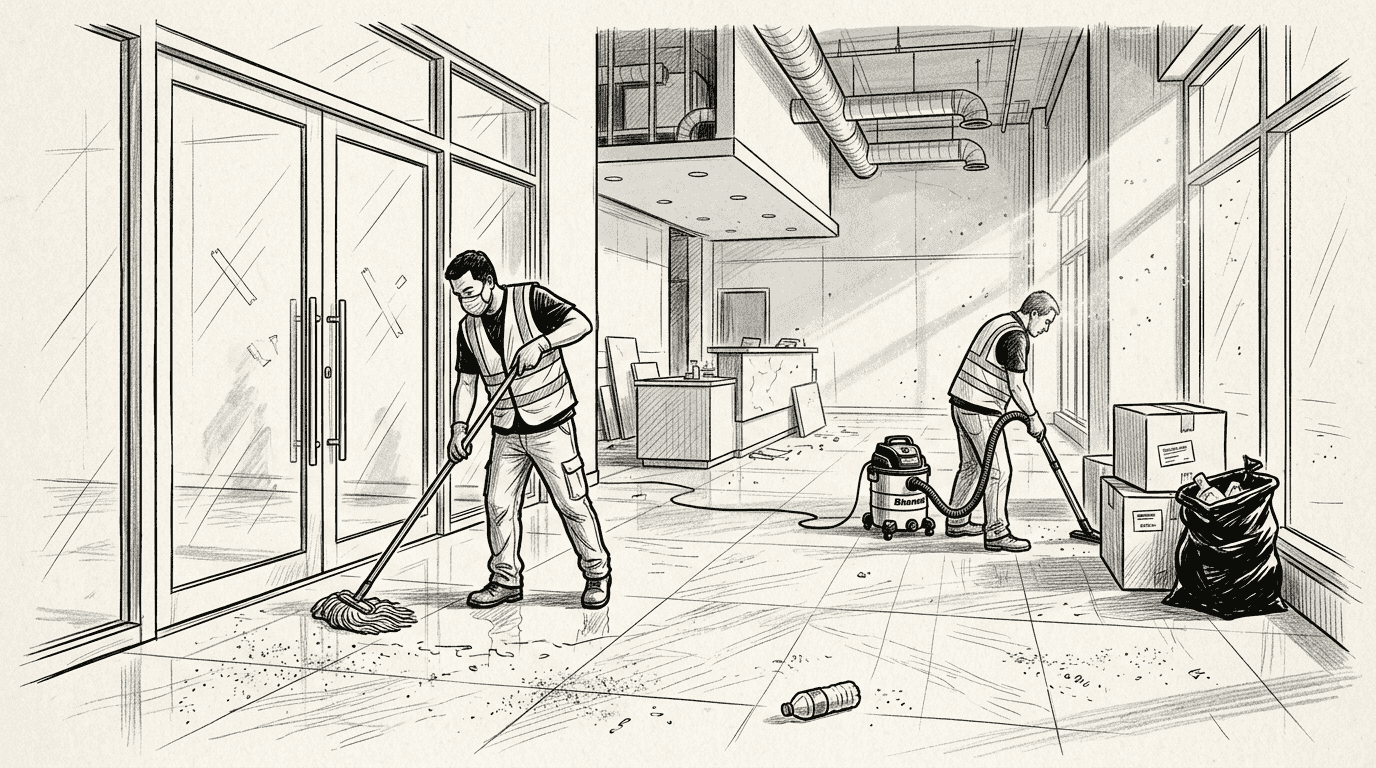
Project managers and contractors in Los Angeles face a hidden threat to their timelines and budgets. Poor post-construction cleaning causes delays that cost thousands in penalties and damage client relationships. Studies show cleaning-related oversights add 1-2 weeks to project completion and trigger costly re-inspections. Understanding how thorough cleaning integrates into your project workflow protects your reputation and bottom line. This guide reveals the critical role cleaning plays in timely project turnover, helping you avoid expensive mistakes and deliver spaces your clients trust.
Table of Contents
- Why Cleaning Is Essential To Project Completion
- The Phased Cleaning Approach: How To Optimize Efficiency And Quality
- Common Pitfalls And Overlooked Areas That Cause Cleaning Delays
- How Efficient Cleaning Impacts Project Timelines And Client Satisfaction
- Why Choose The Maid Society For Your Post-Construction Cleaning Needs
- Frequently Asked Questions About Post-Construction Cleaning
Key takeaways
| Point | Details |
|---|---|
| Health and safety first | Thorough post-construction cleaning removes hazardous dust and protects workers and future occupants from respiratory risks. |
| Phased approach wins | Breaking cleaning into rough, light, and final phases improves efficiency by 30% and prevents costly rework. |
| Common pitfalls cost time | Neglecting HVAC systems and improper waste disposal trigger inspection failures and legal complications. |
| Professional expertise pays | Trained cleaning crews ensure compliance, quality, and faster Certificate of Occupancy approvals. |
| Delays equal dollars | Cleaning shortcuts can add weeks to timelines and incur penalties ranging from $500 to $1,500 daily. |
Why cleaning is essential to project completion
Post-construction cleaning protects more than appearances. It safeguards health, ensures regulatory compliance, and directly impacts your ability to hand over projects on schedule. When you skip or rush this phase, you risk inspection failures, client complaints, and expensive timeline extensions.
Removing construction debris goes beyond sweeping visible dust. Proper cleaning protocols remove up to 99.9% of dust and hazardous materials that accumulate during building phases. These contaminants include silica dust, volatile organic compounds from adhesives, and microscopic particles that settle on every surface. Workers and future occupants face serious respiratory risks when these materials remain.
Air quality depends heavily on cleaning HVAC systems and ventilation ducts. Construction generates fine particles that infiltrate ductwork and vents. Ignoring air vents during cleaning leads to poor air quality and allergen circulation throughout the building. Clients notice musty odors and dusty air immediately, triggering complaints before you even complete the walkthrough.
Inspection failures create the most frustrating delays. Building inspectors check for cleanliness as part of safety compliance. Debris in stairwells, dust on fire safety equipment, or construction residue near electrical panels can halt your Certificate of Occupancy approval. Each failed inspection pushes your timeline back days or weeks while you scramble to address issues.
Consider what thorough cleaning actually involves:
- Removing adhesive residues, paint splatters, and grout haze from all surfaces
- Cleaning windows inside and out to eliminate film and streaks
- Sanitizing bathrooms, kitchens, and high-touch surfaces
- Vacuuming and mopping to eliminate fine dust particles
- Polishing fixtures, hardware, and appliances to showroom condition
Client satisfaction hinges on that first impression when they walk through the completed space. A spotless, fresh-smelling environment signals quality workmanship and attention to detail. Dust on windowsills, smudged glass, or construction residue sends the opposite message. Your post-construction cleaning approach directly influences whether clients recommend your services or withhold final payment over cleanliness concerns.
“The difference between a good contractor and a great one often comes down to how the space looks and feels at handover. Cleanliness communicates professionalism.”
Protecting your timeline means treating cleaning as a critical project phase, not an afterthought. Schedule it early, allocate proper resources, and verify completion before inspection day.
The phased cleaning approach: how to optimize efficiency and quality
Professional post-construction cleaning follows a structured three-phase method that maximizes thoroughness while preventing wasted effort. Each phase targets specific types of debris and contamination, building progressively toward a client-ready space. Understanding this approach helps you coordinate with cleaning crews and set realistic timeline expectations.
The rough clean phase tackles heavy debris and construction waste immediately after major work concludes. Crews remove lumber scraps, drywall chunks, packaging materials, and large dust accumulations. This phase clears pathways and makes spaces safe for detailed cleaning work. Skipping this step forces workers to navigate hazards and waste time moving obstacles during finer cleaning tasks.
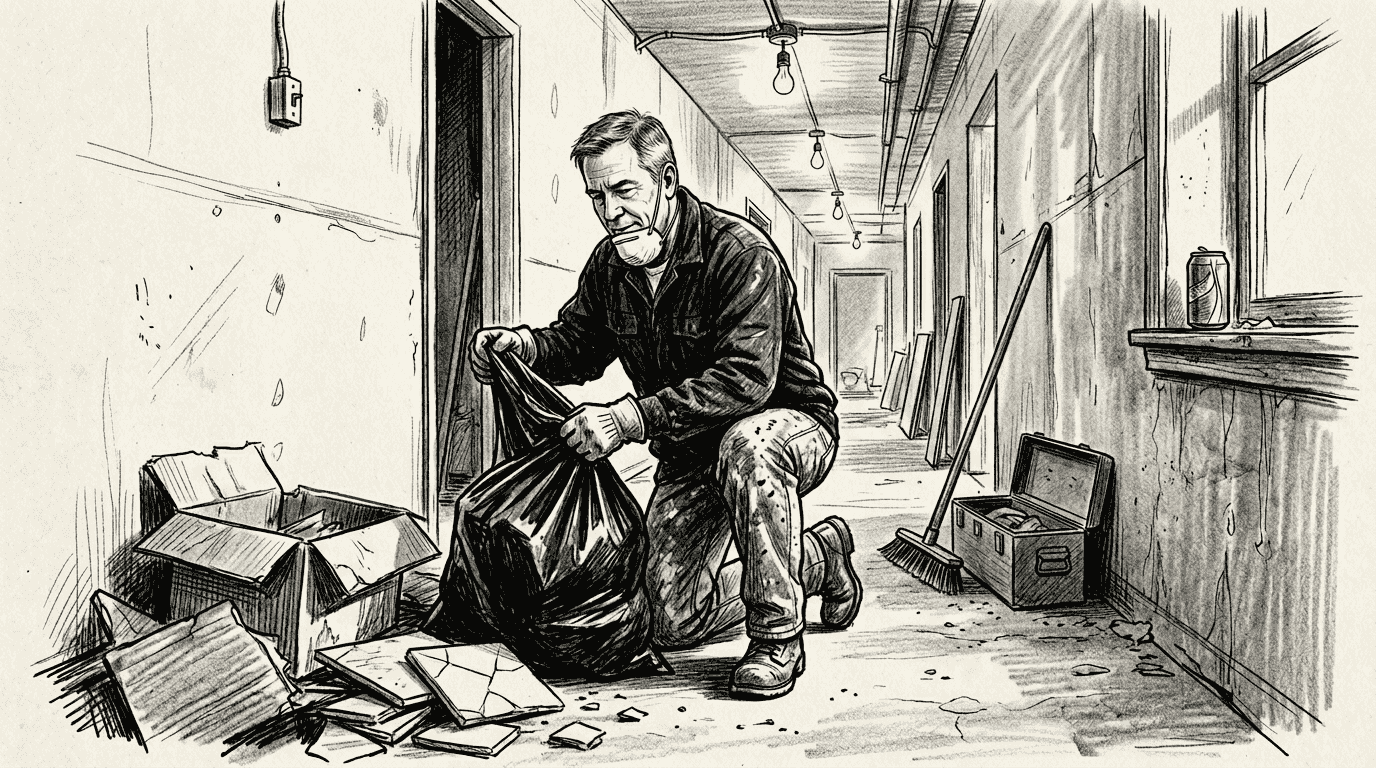
Light cleaning addresses surface dust, residues, and visible contamination. Workers wipe down walls, clean fixtures, vacuum thoroughly, and remove adhesive marks. This phase prepares surfaces for the final polish and reveals any damage or issues requiring contractor attention before the final walkthrough. Phased cleaning reduces total time by 30% and material waste by 20% compared to single-pass approaches.
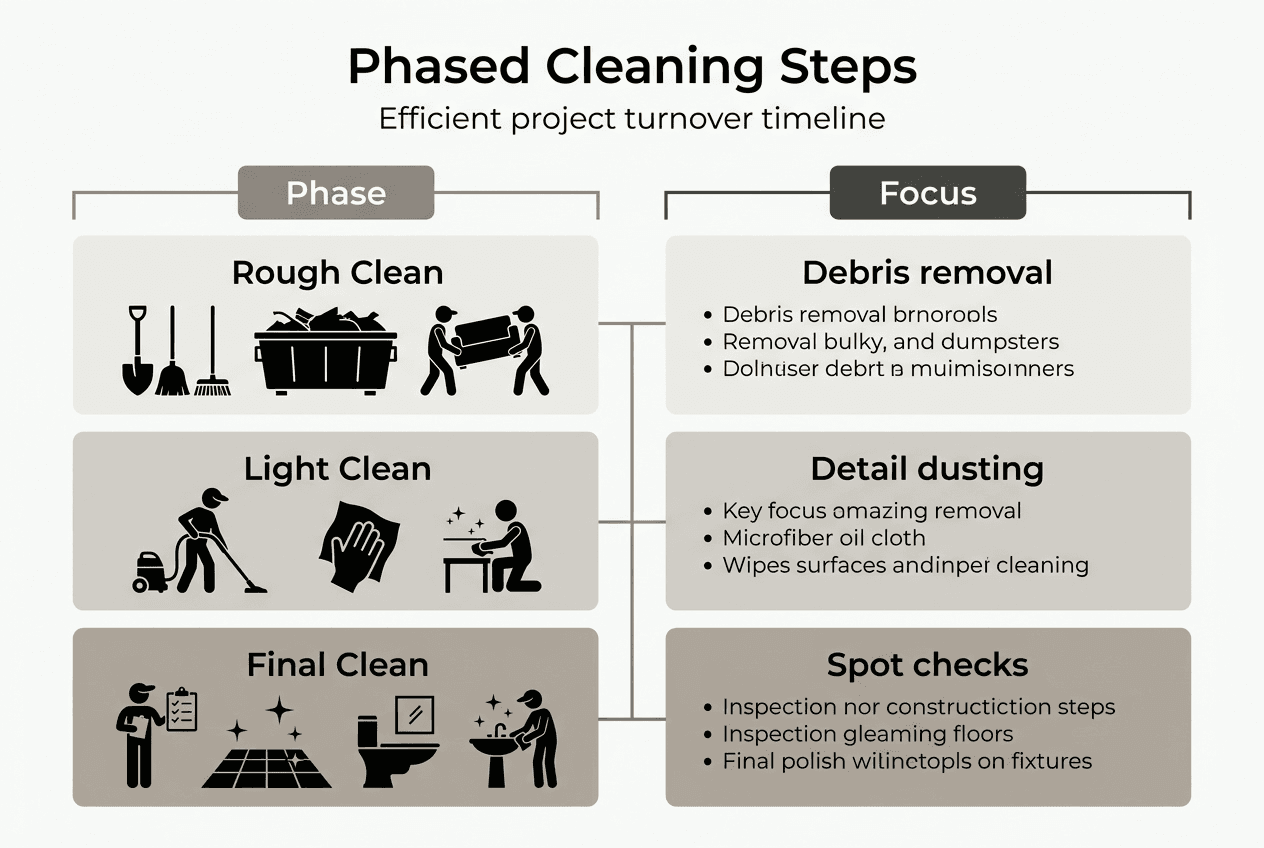
Final cleaning delivers the showroom finish clients expect. Crews polish glass, sanitize all surfaces, detail fixtures and hardware, and perform quality checks in every room. This phase includes touch-ups and ensures zero visible dust, streaks, or residue remain. Professional teams use specialized tools and products for different materials, preventing damage while achieving superior results.
Here’s how the three phases break down:
- Rough clean removes bulk debris and creates safe working conditions
- Light clean eliminates surface contamination and prepares for detailing
- Final clean polishes everything to client-ready condition
Pro Tip: Schedule your rough clean as soon as major construction wraps, even if finish work continues. This prevents dust and debris from accumulating and spreading to completed areas, reducing overall cleaning time.
The table below compares what each phase accomplishes:
| Phase | Primary Focus | Tools and Methods | Timeline Impact |
|---|---|---|---|
| Rough Clean | Remove construction waste and heavy debris | Industrial vacuums, brooms, waste bins | Clears space for remaining work, prevents safety hazards |
| Light Clean | Eliminate surface dust and visible residues | Microfiber cloths, HEPA vacuums, general cleaners | Reveals any remaining construction issues early |
| Final Clean | Polish surfaces and achieve client-ready finish | Specialized cleaners, detailing tools, quality checklists | Ensures inspection passage and client satisfaction |
This phased structure prevents the common mistake of rushing through cleaning in a single exhausting push. When crews try to handle everything at once, they miss details, damage surfaces with inappropriate products, and create more work through mistakes. Your deep cleaning process should align with construction milestones, allowing each phase to build on the previous one.
Coordinating cleaning phases with your construction schedule protects quality and timeline. Plan the rough clean when you transition from framing to finish work. Schedule light cleaning after painting and fixture installation. Reserve final cleaning for the week before your inspection date. This coordination ensures post-construction cleaning in Los Angeles projects meet tight deadlines without compromising standards.
Common pitfalls and overlooked areas that cause cleaning delays
Even experienced contractors fall into cleaning traps that trigger re-inspections and timeline extensions. Recognizing these pitfalls helps you avoid expensive mistakes and maintain project momentum through the final phases.
Neglecting HVAC systems ranks among the costliest oversights. Construction dust infiltrates every duct, vent, and filter in the building. When you power up systems without cleaning them first, contaminated air circulates throughout the space. Clients notice immediately, and inspectors may flag air quality concerns. Rushing cleanup leaves dust in vents and debris under carpets, causing delays that extend timelines by days.
Choosing wrong cleaning products damages surfaces and creates more work. Harsh chemicals etch natural stone, acidic cleaners dull metal fixtures, and abrasive tools scratch glass and polished surfaces. Your crew wastes hours correcting damage that proper product selection would have prevented. Always verify cleaning methods match the materials in your project.
Waste management failures create legal and environmental headaches. Construction debris often contains regulated materials requiring specific disposal methods. Mixing hazardous waste with regular trash violates environmental regulations and exposes you to fines. Improper disposal also delays site clearance when inspectors identify violations.
Key areas contractors frequently overlook:
- Air vents and HVAC registers that distribute contaminated air
- Top surfaces of door frames, cabinets, and light fixtures where dust settles
- Behind and under appliances where debris accumulates
- Window tracks and sills that trap construction residue
- Grout lines and tile edges that show every speck of haze
Pro Tip: Create a detailed cleaning checklist that includes every surface, fixture, and system in your project. Walk through with your cleaning crew before they start to ensure nothing gets missed.
Rushing the final clean guarantees problems. When crews race to meet deadlines, they leave smudges on glass, dust on baseboards, and residue on fixtures. Inspectors notice these details, and clients definitely do. A rushed job often requires a complete do-over, adding 2-3 days to your timeline and frustrating everyone involved.
Safety oversights during cleaning put workers at risk and expose you to liability. Ignoring safety precautions during post-construction cleaning can lead to accidents and compliance issues. Crews working at heights need proper equipment, hazardous material handling requires training and protective gear, and chemical use demands ventilation and safety protocols.
The financial impact of these mistakes adds up quickly. A single re-inspection costs you crew time, delays other projects, and may trigger penalty clauses in your contracts. Damaged surfaces require repair or replacement. Safety violations bring fines and increased insurance costs. Your professional cleaning approach should prioritize thoroughness over speed to avoid these expensive consequences.
How efficient cleaning impacts project timelines and client satisfaction
Cleaning quality directly determines when you receive Certificate of Occupancy approval and hand over keys to clients. The connection between thorough cleaning and project completion speed becomes obvious when you examine the numbers.
Delays in cleaning push back CO approvals by triggering failed inspections. Building departments check cleanliness as part of safety compliance. Dust on fire safety equipment, debris blocking exits, or contaminated HVAC systems all halt approval. Each failed inspection adds 3-7 days to your timeline while you address issues and reschedule. Efficient post-construction cleaning reduces completion time by up to 15% compared to projects that treat cleaning as an afterthought.
Re-inspections triggered by inadequate cleaning create cascading delays. You lose your inspection slot and join the back of the queue. Your crew sits idle or moves to other projects. Clients grow frustrated as move-in dates slip. The financial penalties compound quickly.
Consider the real costs of cleaning-related delays:
- Daily penalty clauses in contracts ranging from $500 to $1,500
- Extended equipment rental fees averaging $200-400 per day
- Crew overtime to complete rushed cleaning work
- Lost opportunity costs from delayed project turnover
- Reputation damage affecting future bid opportunities
Inadequate cleaning causes CO delays costing $500-$1,500 per day and rework costs up to $15,000 for major cleaning failures. These numbers assume standard commercial projects. Larger developments or projects with strict timelines face even steeper penalties.
The table below quantifies typical delay scenarios:
| Cleaning Issue | Typical Delay | Direct Costs | Indirect Costs |
|---|---|---|---|
| Failed inspection (dust/debris) | 3-5 days | $1,500-$7,500 in penalties | Client frustration, schedule disruption |
| HVAC contamination requiring cleaning | 5-7 days | $2,500-$10,500 total | Potential health complaints, air quality issues |
| Major re-clean needed | 7-10 days | $3,500-$15,000 total | Crew reassignment costs, equipment rental extensions |
| Safety violations from improper cleaning | 10-14 days | $5,000-$21,000 plus fines | Regulatory scrutiny, insurance implications |
Client satisfaction suffers dramatically when spaces appear dirty or smell of construction at handover. First impressions shape the entire client relationship. A spotless, fresh environment signals professionalism and care. Visible dust, smudged fixtures, or lingering odors communicate the opposite, regardless of construction quality.
“Clients judge your entire project by how it looks and feels when they walk through the door. Cleanliness is the final word on quality.”
Your reputation depends on consistent, high-quality handovers. Satisfied clients provide referrals, positive reviews, and repeat business. Disappointed clients share their frustrations widely, damaging your ability to win future projects. The role cleaning plays in satisfaction extends far beyond the immediate project, influencing your business development for years.
Smart contractors build cleaning into project timelines from day one. They allocate proper budgets, schedule phases strategically, and verify quality before inspection dates. This approach protects timelines, controls costs, and ensures clients receive spaces that exceed expectations.
Why choose The Maid Society for your post-construction cleaning needs
Project managers and contractors across Los Angeles trust The Maid Society to deliver the thorough, timely cleaning that keeps projects on schedule. We understand the pressure you face meeting deadlines and satisfying demanding clients.

Our expertise in phased deep cleaning tailored for commercial builds ensures nothing gets overlooked. We deploy trained crews with advanced equipment who know exactly how to handle construction debris, protect delicate finishes, and achieve the spotless results inspectors and clients expect. Our proven track record helps LA projects meet deadlines while impressing clients with showroom-quality spaces.
We include efficient waste management and strict safety compliance in every project, eliminating the legal and environmental risks that derail timelines. Our teams coordinate seamlessly with your construction schedule, completing each cleaning phase without disrupting ongoing work.
Pro Tip: Engage professional cleaners during project planning, not after construction wraps. Early coordination allows us to schedule crews strategically and complete cleaning phases as construction milestones finish, dramatically reducing total project timeline.
Discover how our cleaning services in Los Angeles protect your timeline and reputation. Learn about our deep cleaning process for builders and see how the role of cleaning in client satisfaction impacts your business success.
Frequently asked questions about post-construction cleaning
How does thorough cleaning prevent project delays?
Thorough cleaning removes all debris and hazards that trigger inspection failures, allowing you to pass building department reviews on the first attempt. This eliminates the 3-7 day delays caused by re-inspections and keeps your project on schedule for timely Certificate of Occupancy approval.
What makes phased cleaning more efficient than single-pass approaches?
Phased cleaning prevents rushed mistakes and reduces rework by addressing different contamination types systematically. The rough, light, and final phases build progressively toward client-ready condition, reducing total cleaning time by 30% while improving quality and preventing surface damage from inappropriate methods.
Why is HVAC cleaning critical during post-construction?
Ignoring HVAC systems during cleaning allows construction dust to circulate throughout the building when systems activate, creating poor air quality and allergen concerns. This triggers client complaints, potential health issues, and may require expensive duct cleaning after occupancy begins, adding thousands in unexpected costs.
What are the financial consequences of cleaning delays?
Cleaning delays cause costly project timeline extensions through daily penalty clauses, extended equipment rentals, and crew overtime. A typical failed inspection due to inadequate cleaning costs $500-$1,500 per day in penalties, with major cleaning failures requiring rework costing up to $15,000 in total expenses.
How does cleaning quality affect client satisfaction and future business?
Professional cleaning creates the positive first impression that shapes client perception of your entire project. A spotless, fresh-smelling space signals quality workmanship and attention to detail, leading to positive reviews, referrals, and repeat business that drive long-term success in competitive markets.
Recommended
- Deep Cleaning Process for Builders: Ensure Project Perfection
- Master the Final Inspection Cleaning Process for Turnover
- Post-Construction Cleaning for Landlords: Ready Units Fast
- Detailed cleaning guide for builders: post-construction success



Get Cleaning Tips & Exclusive Offers
Join our community for time-saving hacks and special discounts delivered to your inbox.