
Most Los Angeles landlords budget $1,000 to $2,000 for turnover cleaning, then get hit with actual costs between $3,000 and $7,000. This financial shock reveals a deeper truth: cleaning isn’t just a line item between tenants. It’s the foundation of property value, tenant satisfaction, and long-term profitability. For property owners navigating LA’s competitive rental market in 2026, understanding cleaning’s strategic role separates profitable portfolios from money pits.
Table of Contents
- Understanding Cleaning Costs And Turnover Efficiency
- How Cleaning Enhances Property Appeal And Tenant Satisfaction
- Preventive Maintenance Cleaning Saves Money And Preserves Property Value
- Best Practices For Property Cleaning In Los Angeles For Landlords
- Why Property Owners Choose The Maid Society For Rental Cleaning Needs
- FAQ
Key takeaways
| Point | Details |
|---|---|
| Turnover costs exceed expectations | Los Angeles landlords face $3,000 to $7,000 per turnover depending on unit rent value. |
| Cleaning speed reduces vacancy losses | Efficient systems cut turnover from 45 days to 14 days, saving thousands in lost rent. |
| Curb appeal drives tenant decisions | Regular exterior cleaning boosts perceived property value by 10% in competitive markets. |
| Preventive cleaning delivers massive ROI | Proper maintenance programs return 545% over 25 years versus reactive approaches. |
| Clean common areas boost retention | Properties with well-maintained shared spaces see 10-15% higher lease renewals. |
Understanding cleaning costs and turnover efficiency
Turnover cleaning represents one of the largest controllable expenses in rental property management. A single turnover on a $1,500 monthly unit typically costs $3,000 to $5,000, while $2,500 monthly units can exceed $7,000. These figures include deep cleaning, repairs, painting, and minor updates required to meet LA market standards.
The hidden cost lives in vacancy duration. A unit sitting empty for 30 days costs more than the cleaning itself. Lost rental income compounds daily while fixed expenses like mortgage, insurance, and property taxes continue regardless of occupancy status.
The difference between profit and loss often comes down to speed. Having a system reduces turnovers from 45 days to 14 days, transforming a money drain into a manageable transition. This dramatic compression happens through overlapping workflows rather than sequential task completion.
Successful landlords coordinate multiple phases simultaneously:
- Schedule cleaning crews the day after tenant move-out
- Begin repair assessments during initial cleaning phase
- Order materials and schedule contractors before cleaning completion
- Conduct final inspection while touching up minor issues
- Market the unit with professional photos taken immediately after completion
This parallel processing approach slashes vacancy periods while maintaining quality standards. Cutting rental vacancy requires strategic cleaning timing that aligns with repair schedules and inspection protocols.
Pro Tip: Create a turnover checklist that assigns specific day windows for each task. Cleaning starts day 1, repairs begin day 3, final inspection happens day 10, and the unit lists by day 12. This structure prevents the drift that extends vacancies.
How cleaning enhances property appeal and tenant satisfaction
First impressions determine rental success in Los Angeles’s hypercompetitive market. Prospective tenants judge properties within seconds of arrival, making exterior presentation absolutely critical. Pressure washing apartment complexes boosts curb appeal and tenant satisfaction by removing years of accumulated grime, oil stains, and weather damage.
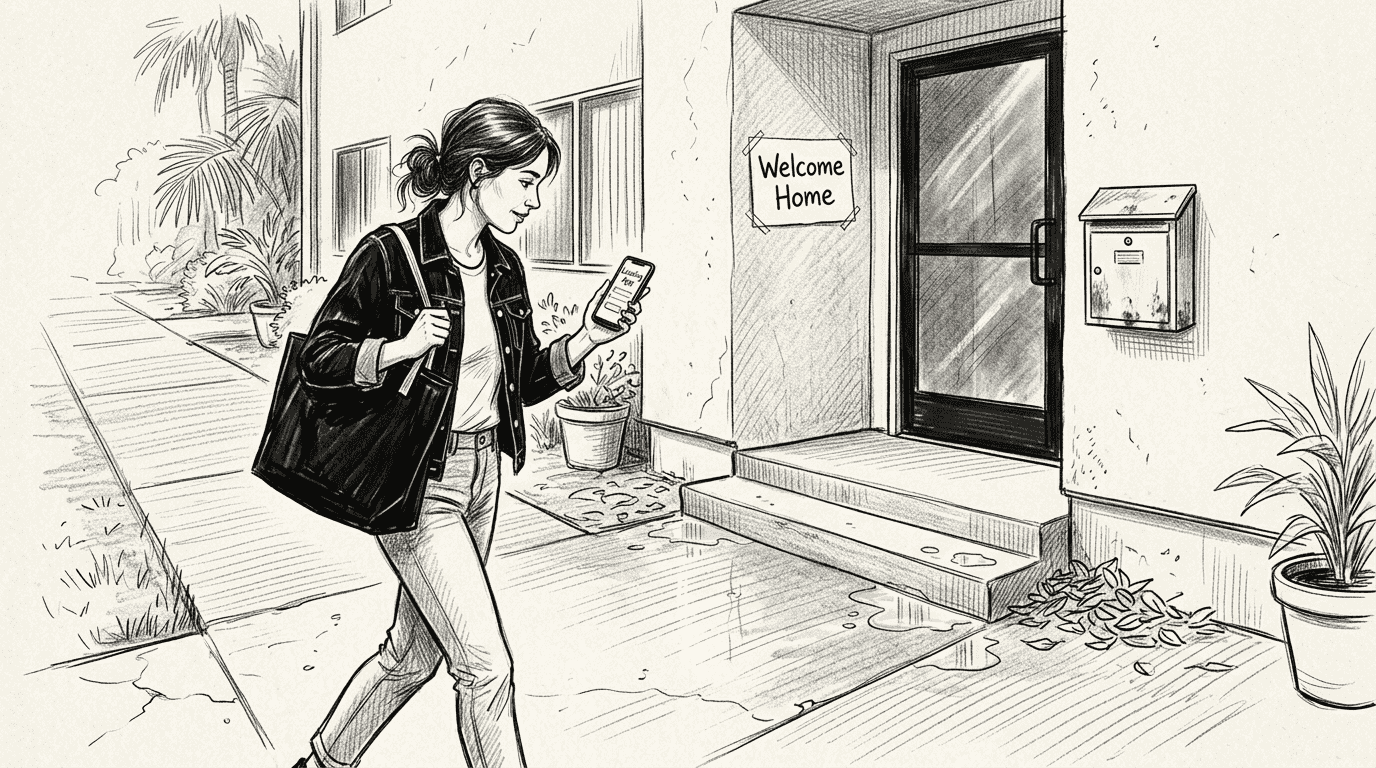
Clean exteriors communicate operational excellence before prospects even enter units. Sparkling walkways, pristine building facades, and spotless parking areas signal that management cares about details. This psychological impact translates directly into rental premiums and faster lease signings.
Exterior cleanliness increases perceived property value by up to 10%, allowing landlords to command higher rents without capital improvements. A $2,000 monthly unit perceived as 10% more valuable justifies $2,200 monthly rent, adding $2,400 annually per unit.
Beyond financial metrics, cleaning profoundly affects tenant quality of life. Tenant satisfaction and retention link directly to common area cleanliness. Dirty hallways, grimy elevators, and stained courtyards create stress that accumulates daily. This environmental friction drives good tenants to seek better-maintained properties when leases expire.
Regular maintenance creates competitive advantages:
- Quarterly pressure washing prevents permanent staining and material degradation
- Weekly common area cleaning reduces tenant complaints by eliminating visible neglect
- Monthly deep cleaning of high-traffic zones maintains the new property feel
- Seasonal exterior treatments protect paint, concrete, and landscaping investments
These practices compound over time. Properties maintained consistently attract and retain higher-quality tenants willing to pay premium rents. Cleaning functions as a marketing tool more powerful than amenity upgrades because it affects daily tenant experience.
Clean properties don’t just look better; they feel safer, more professional, and worthy of long-term commitment. Tenants unconsciously equate cleanliness with management competence and property stability.
Pro Tip: Schedule pressure washing immediately before lease renewal periods. Tenants evaluating whether to stay or leave will see the property at peak presentation, tilting renewal decisions in your favor.
The connection between cleaning and client satisfaction extends beyond aesthetics into health and safety. Clean properties reduce slip hazards, minimize allergen accumulation, and prevent pest infestations that trigger lease breaks and negative reviews.
Preventive maintenance cleaning saves money and preserves property value
Deferred maintenance creates a financial death spiral for rental properties. Every dollar of deferred maintenance costs $3 to $7 in future repairs, with costs compounding at 7% annually. A $500 cleaning task postponed today becomes a $2,000 repair in three years.
Preventive maintenance delivers a 545% return on investment over 25 years compared to reactive approaches. This extraordinary ROI comes from catching small problems before they cascade into system failures requiring emergency intervention.
Regular cleaning and maintenance prevent costly repairs by identifying issues during routine service. Cleaners notice leaking faucets, damaged weather stripping, cracked tiles, and HVAC inefficiencies that landlords miss during quarterly walkthroughs.

| Approach | Year 1 Cost | Year 10 Cost | Year 25 Cost | Total Investment | ROI |
|---|---|---|---|---|---|
| Reactive Maintenance | $2,000 | $12,500 | $45,000 | $425,000 | Baseline |
| Preventive Maintenance | $5,000 | $7,800 | $15,200 | $185,000 | 545% |
The numbers tell a clear story. Higher upfront investment in preventive cleaning and maintenance slashes long-term costs while preserving property condition. Buildings maintained proactively retain value, command premium rents, and attract quality tenants throughout ownership cycles.
Integrating cleaning with maintenance inspections creates a powerful early warning system:
- Cleaners access every room, closet, and common area regularly
- They spot water damage, mold, pest evidence, and mechanical issues immediately
- Early detection allows scheduled repairs instead of emergency calls
- Scheduled work costs 40-60% less than emergency service
This integrated approach transforms cleaning from an expense into an asset protection strategy. Properties with systematic cleaning programs experience fewer catastrophic failures, lower insurance claims, and extended equipment lifespans.
Pro Tip: Create a digital checklist that cleaning teams complete during each service, noting any maintenance concerns observed. This simple process catches 80% of developing problems before they require expensive emergency fixes.
Property management cleaning strategies that emphasize prevention over reaction consistently outperform reactive models in total cost of ownership and tenant satisfaction metrics.
Best practices for property cleaning in Los Angeles for landlords
Implementing effective cleaning systems requires understanding the distinct needs of different property phases. Each cleaning type serves specific purposes and delivers unique value to landlords navigating LA’s demanding rental market.
| Cleaning Type | Primary Focus | Frequency | Key Benefits |
|---|---|---|---|
| Turnover Cleaning | Deep cleaning between tenants | Every tenant change | Maximizes appeal for new tenants, justifies market-rate rents |
| Maintenance Cleaning | Common areas and preventive care | Weekly to monthly | Reduces complaints, extends building life, prevents major repairs |
| Deep Cleaning | Intensive detail work on entire property | Semi-annually | Resets property condition, addresses accumulated wear |
| Pressure Washing | Exterior surfaces and hardscapes | Quarterly | Boosts curb appeal, prevents permanent staining, enhances safety |
Successful landlords follow a systematic approach to each cleaning phase:
- Document pre-cleaning condition with photos and detailed notes for comparison and security deposit purposes.
- Schedule cleaning immediately after tenant move-out to minimize vacancy duration and start repairs simultaneously.
- Use a standardized checklist covering all areas: kitchen appliances, bathrooms, floors, windows, HVAC vents, light fixtures, and baseboards.
- Coordinate with repair contractors to complete work during cleaning phase, enabling final inspection within 10-14 days.
- Conduct final walkthrough with professional photography to capture peak condition for marketing materials.
- Establish recurring maintenance cleaning for common areas with defined scopes and quality standards.
The rental property turnover system succeeds through overlap. Cleaning and repairs happen concurrently rather than sequentially. This parallel processing cuts 20-30 days from typical turnover timelines.
Prioritizing high-impact areas delivers maximum return on cleaning investment. Focus resources on elements tenants see first and use most:
- Building entrances and lobbies create first impressions that influence rental decisions
- Parking areas and walkways affect daily tenant experience and safety perceptions
- Common area bathrooms and mailroom cleanliness signal management attention to detail
- Exterior building facades and landscaping determine street appeal and neighborhood perception
Pro Tip: Tenant satisfaction correlates directly with common area cleanliness. Invest 60% of cleaning budget in shared spaces versus individual units to maximize retention and minimize complaints.
Choosing reliable cleaning vendors requires evaluating specific qualifications:
- Experience with LA rental market standards and tenant expectations
- Understanding of move-out cleaning requirements and security deposit laws
- Ability to coordinate with maintenance teams and property managers
- Flexible scheduling to accommodate compressed turnover timelines
- Insurance coverage and background-checked staff for liability protection
Vendors familiar with move-in cleaning processes understand the difference between maintenance cleaning and turnover deep cleaning. This expertise ensures units meet market standards without excessive rework or tenant complaints.
Why property owners choose The Maid Society for rental cleaning needs
Los Angeles landlords face unique pressures: competitive rental markets, demanding tenants, and tight turnover windows that directly impact profitability. Managing these challenges while maintaining multiple properties requires reliable partners who understand rental property dynamics.
The Maid Society specializes in move-in, move-out, and turnover cleaning designed specifically for property owners. Our team knows LA rental standards and works on your timeline to minimize vacancy periods. We coordinate seamlessly with property managers and maintenance teams, handling the detailed cleaning work that prepares units for premium rents.
From deep cleaning between tenants to regular maintenance of common areas, we deliver the consistent quality that keeps properties competitive and tenants satisfied. Visit The Maid Society to discover how professional cleaning protects your investment and streamlines property management.
FAQ
How often should landlords schedule turnover cleaning?
Turnover cleaning must occur immediately after tenant move-out and before new tenant move-in, typically within a 14-21 day window to minimize vacancy costs. Every tenant change requires thorough cleaning to ensure unit readiness and meet market standards. The key is implementing an efficient system where cleaning, repairs, and inspections overlap rather than happen sequentially, compressing the entire turnover timeline.
Can regular cleaning really impact tenant retention?
Yes, properties with consistent cleaning and well-maintained common areas experience 10-15% higher lease renewal rates. Cleanliness signals operational quality and management competence, directly affecting tenant well-being and trust. When tenants feel their living environment is professionally maintained, they view the property as a long-term home rather than a temporary stop, dramatically improving retention metrics and reducing costly turnover frequency.
What cleaning services should landlords prioritize in Los Angeles?
Prioritize turnover deep cleaning, quarterly pressure washing of exteriors, weekly common area maintenance, and regular HVAC vent cleaning to reduce allergens. These services deliver maximum impact on curb appeal, tenant comfort, safety, and compliance with LA market expectations. Focus cleaning budgets on high-visibility areas like entrances, parking structures, and shared amenity spaces that influence both prospect decisions and current tenant satisfaction.
How can landlords find reliable cleaning services in Los Angeles?
Seek providers with demonstrated experience in move-in, move-out, and turnover cleaning tailored to LA’s competitive rental market. Verify certifications, review tenant and property manager testimonials, and confirm familiarity with local standards for security deposits and habitability. Trusted cleaning teams understand rental property timelines and coordinate effectively with maintenance schedules to compress vacancy periods while maintaining quality standards.
Recommended
- Cleaning as a Marketing Tool: Boosting Property Appeal
- Real Estate Cleaning Best Practices 2026: Cut Vacancy 15%
- Cleaning Business Automation in 2026: What’s New in ConvertLabs (Booking, Payments, iCal + AI)
- Role of Cleaning in Home Value Enhancement
- Compliance in exterior cleaning for Cornwall and Devon property managers 2026 – jetpowerpressurewashing.co.uk



Get Cleaning Tips & Exclusive Offers
Join our community for time-saving hacks and special discounts delivered to your inbox.