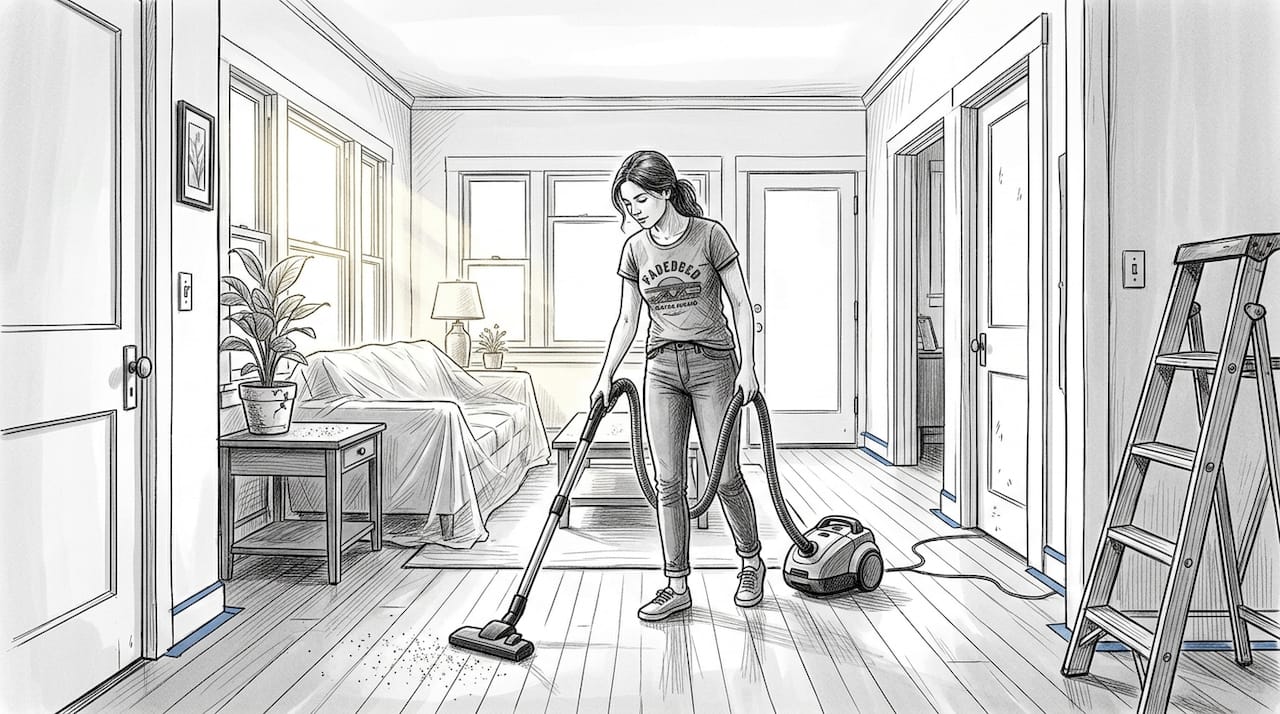
Many homeowners believe that once the contractors pack up and leave, a quick sweep and wipe-down will restore their newly renovated space. This misconception can lead to lingering dust, damaged finishes, and even health hazards. Post-renovation cleaning is far more intensive than standard housekeeping, requiring specialized techniques to remove construction debris, fine particulate matter, and residues that settle deep into every surface. This guide walks you through the essential steps, standards, and preparation strategies to ensure your Los Angeles home is truly clean, safe, and ready to enjoy after remodeling work concludes.
Table of Contents
- Key takeaways
- Why post-renovation cleaning is critical for your Los Angeles home
- Breaking down the post-renovation cleaning process: steps and standards
- Post-renovation cleaning versus other home cleaning services: what makes it unique?
- Preparing your home for post-renovation cleaning: practical tips for Los Angeles homeowners
- Expert post-renovation cleaning services in Los Angeles
- Frequently asked questions
Key Takeaways
| Point | Details |
|---|---|
| Intensive post renovation cleaning | Post renovation cleaning is more demanding than regular cleaning and targets fine dust, debris, and residues that standard methods miss. |
| Dust and debris focus | Focus on removing fine dust from ducts, cleaning surfaces, and protecting delicate finishes to prevent damage. |
| Hire specialized cleaners | Hiring specialized cleaners ensures thorough removal of construction debris and safer handling of delicate materials. |
| Timing matters for prep | Schedule deep cleaning after major dust creating steps and before installing final fixtures to maximize effectiveness and avoid damage. |
Why post-renovation cleaning is critical for your Los Angeles home
Renovation projects generate an enormous volume of fine dust that infiltrates air ducts, settles behind walls, and coats every surface in your home. Unlike visible debris, this microscopic particulate matter travels through ventilation systems and embeds itself in fabrics, electronics, and even food preparation areas. Post-renovation cleaning removes harmful dust and debris that regular cleaning misses, protecting indoor air quality and health.
The health implications are particularly serious for children, elderly family members, and anyone with respiratory conditions. Construction dust often contains silica, drywall particles, paint residues, and other irritants that can trigger allergic reactions, asthma attacks, or long-term respiratory issues. Breathing this contaminated air for weeks or months creates cumulative exposure that standard vacuuming cannot address.
Beyond health concerns, inadequate post-renovation cleaning can damage your new investment. Fine dust settles on fresh paint, scratches newly installed hardwood floors, and clogs HVAC systems, reducing their efficiency and lifespan. Grout lines in new tile work absorb construction residue, creating permanent discoloration that no amount of scrubbing will remove later.
Your home’s value and aesthetic appeal depend on proper cleanup. Potential buyers or guests notice dusty baseboards, streaked windows, and gritty surfaces immediately. These details signal poor maintenance and can undermine the visual impact of your beautiful renovation. Professional post renovation cleaning in Los Angeles ensures every surface gleams and your investment shows at its absolute best.
Pro Tip: Schedule your deep cleaning after all major dust-creating activities like sanding, cutting, and demolition are complete, but before installing final light fixtures, cabinet hardware, or delicate finishes. This timing prevents damage to new elements while ensuring thorough dust removal from structural surfaces.
“The difference between a good renovation and a great one often comes down to the final cleaning. Dust is the enemy of beautiful finishes, and only systematic, professional cleaning can truly eliminate it.”
Key focus areas that require specialized attention:
- Air ducts and ventilation systems where dust accumulates and recirculates
- Window tracks, sills, and frames that collect fine debris
- Light fixtures, ceiling fans, and high surfaces often overlooked
- Baseboards, crown molding, and trim work with intricate details
- Newly installed appliances, cabinets, and fixtures needing protective cleaning
Breaking down the post-renovation cleaning process: steps and standards
Effective post-renovation cleaning follows a systematic, multi-phase approach that addresses different types of debris and contamination. Understanding this process helps you evaluate cleaning proposals and ensure nothing gets overlooked. A systematic cleaning process improves thoroughness and client satisfaction after renovations.
The pre-cleaning assessment begins before any actual cleaning starts. Professional teams walk through your space to identify remaining construction debris, damaged materials requiring removal, and delicate surfaces needing special care. This assessment creates a roadmap for the cleaning process and helps establish realistic timelines. Teams document areas of concern, photograph existing damage to avoid liability disputes, and confirm which spaces are ready for cleaning versus those still under construction.
Phase 1: Rough cleaning
- Remove large debris, leftover materials, and construction waste
- Sweep or vacuum floors to eliminate bulk dust and particles
- Wipe down surfaces to remove the heaviest layer of construction residue
- Clear window sills, ledges, and horizontal surfaces of visible debris
- Dispose of all waste according to local Los Angeles regulations
Phase 2: Detailed cleaning
- Clean all fixtures, hardware, and installed elements with appropriate products
- Vacuum air vents, returns, and accessible ductwork using HEPA filtration
- Wash windows inside and out, including tracks and frames
- Deep clean floors with methods appropriate to the material (tile, hardwood, carpet)
- Wipe down walls, baseboards, and trim to remove embedded dust
- Clean light fixtures, switches, and electrical covers
Phase 3: Final inspection and touch-ups
- Conduct white glove inspection of all surfaces for remaining dust
- Re-clean any areas that don’t meet standards
- Polish fixtures, mirrors, and glass surfaces for streak-free finish
- Vacuum or mop floors one final time
- Replace air filters in HVAC systems to ensure clean air circulation
The deep cleaning process for builders emphasizes verification at each stage. Quality teams don’t simply clean and leave; they inspect their work, address any missed spots, and confirm client satisfaction before considering the job complete.
Pro Tip: Verify that your cleaning team uses HEPA filter vacuums and industry-grade equipment specifically designed to capture fine particulate matter. Standard household vacuums often recirculate dust particles rather than trapping them, defeating the purpose of thorough cleaning.
| Cleaning Phase | Primary Goals | Essential Tools |
|---|---|---|
| Rough Cleaning | Remove bulk debris and heavy dust layers | Industrial vacuums, brooms, waste containers |
| Detailed Cleaning | Address embedded dust and surface residues | HEPA vacuums, microfiber cloths, specialized cleaners |
| Final Touch-ups | Ensure zero dust remains, polish all surfaces | White gloves for inspection, detail brushes, polishing compounds |
Understanding the renovation cleanup process helps you communicate expectations clearly with cleaning professionals and recognize when corners are being cut. Each phase builds on the previous one, and skipping steps compromises the final result.
Post-renovation cleaning versus other home cleaning services: what makes it unique?
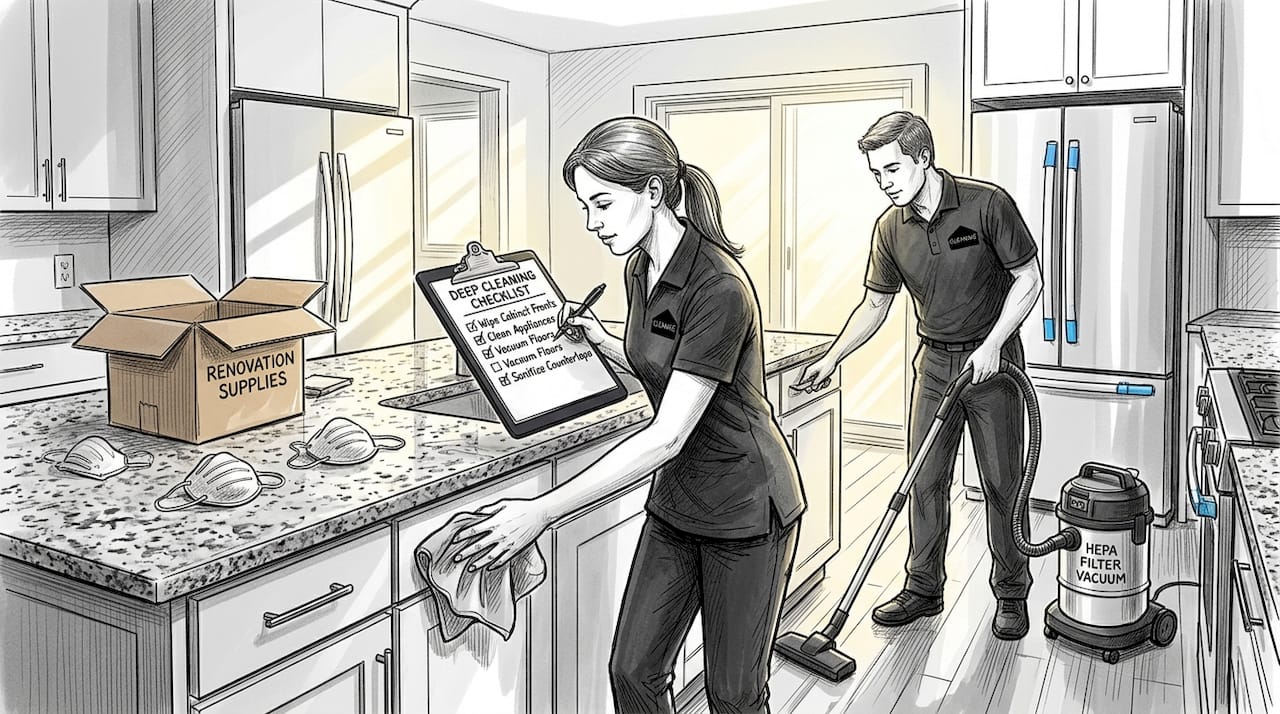
Homeowners often assume their regular cleaning service can handle post-renovation cleanup, but the scope and requirements differ dramatically. Post-renovation cleaning requires specialized equipment and expertise distinct from standard residential cleaning.
Standard residential cleaning focuses on maintaining already-clean spaces. Teams dust surfaces, vacuum carpets, mop floors, and clean bathrooms and kitchens on a recurring schedule. The goal is removing everyday dirt, clutter, and grime that accumulates from normal living. Equipment typically includes household-grade vacuums, standard cleaning solutions, and basic tools. Timing is predictable, usually weekly or biweekly visits lasting two to four hours.
Move-in cleaning prepares a home for new occupants, ensuring freshness and basic cleanliness. This service addresses neglected areas like inside cabinets, appliances, and closets that standard cleaning might skip. However, it assumes the home is already structurally clean, without construction dust or renovation debris. The focus is making the space feel welcoming and sanitary, not removing hazardous particulates or protecting new finishes.
Post-renovation cleaning tackles construction-specific contamination that neither service addresses. Fine silica dust from cutting tile or concrete, drywall particulate from sanding, paint overspray, adhesive residues, and sawdust penetrate every crack and crevice. This debris requires HEPA filtration, specialized solvents, and techniques that prevent scratching new surfaces or damaging fresh finishes.
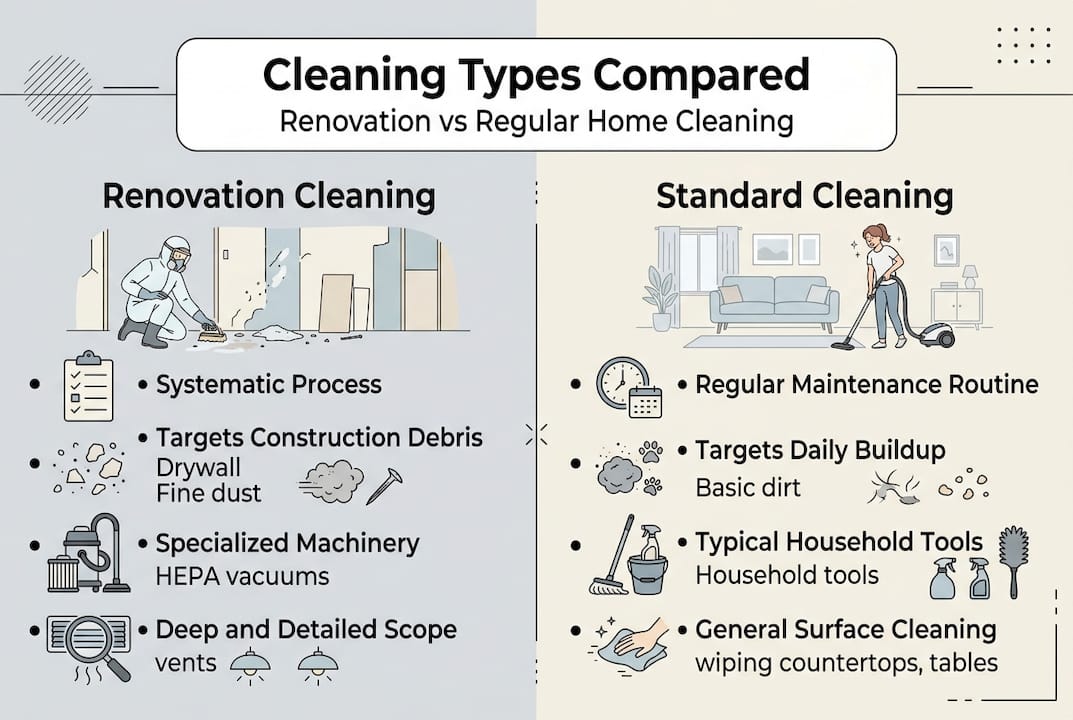
| Service Type | Primary Focus | Equipment Required | Typical Duration | Frequency |
|---|---|---|---|---|
| Standard Residential | Routine dirt and clutter removal | Household vacuums, standard cleaners | 2-4 hours | Weekly/biweekly |
| Move-in Cleaning | Freshness for new occupants | Enhanced household tools | 4-6 hours | One-time |
| Post-Renovation | Construction dust and debris removal | HEPA vacuums, industrial cleaners, specialized tools | 8-16+ hours | One-time, potentially multi-day |
The expertise required also differs significantly. Standard cleaners know how to maintain homes efficiently. Post-renovation specialists understand construction materials, recognize which residues require which solvents, and know how to clean delicate new installations without causing damage. They work systematically from top to bottom, understand cross-contamination risks, and follow protocols that prevent spreading dust to cleaned areas.
Why post-renovation cleaning often requires professional specialized teams:
- Construction dust contains hazardous materials requiring proper handling and disposal
- New surfaces need gentle cleaning methods to avoid scratching or dulling finishes
- HEPA filtration is essential to capture microscopic particles standard vacuums miss
- Systematic top-to-bottom cleaning prevents recontamination of cleaned areas
- Knowledge of construction materials informs appropriate cleaning product selection
- Insurance and bonding protect homeowners if damage occurs during cleaning
Understanding the distinction between janitorial vs residential cleaning helps clarify why post-renovation work demands specialized services. Similarly, while move in cleaning explained covers preparing a space for occupancy, it doesn’t address the intensive debris removal renovation requires.
Preparing your home for post-renovation cleaning: practical tips for Los Angeles homeowners
Proper preparation maximizes cleaning efficiency and protects your belongings during the intensive post-renovation cleanup process. Preparation such as removing valuables and communicating project details maximizes cleaning efficiency and outcome.
Start by removing all personal items, valuables, and fragile belongings from the renovation area and adjacent spaces. Construction dust travels farther than you expect, settling in rooms that weren’t directly part of the project. Pack away electronics, artwork, decorative items, and anything you don’t want exposed to cleaning chemicals or potential damage. Store these items in sealed containers or rooms far from the work zone.
Confirm that all renovation contractors have completed their dust-generating work before scheduling cleaning. Sanding, cutting, drilling, and demolition should be entirely finished. Having cleaners remove dust only to have contractors create more the next day wastes money and extends your timeline. Coordinate with your general contractor to establish a firm completion date when all construction activities cease.
Communicate clearly with your cleaning team about areas of concern or surfaces requiring special care. New hardwood floors might need specific products to avoid dulling the finish. Custom tile work might have grout that’s still curing. Delicate light fixtures or hardware might require gentle handling. Walk through the space together, pointing out these details and confirming the team understands your priorities.
Schedule cleaning timing to allow adequate drying or settling after construction work ends. Fresh paint needs time to cure before aggressive cleaning. Newly installed flooring might require a waiting period before wet mopping. Grout and caulk need time to set properly. Rushing the cleaning process can damage finishes that aren’t fully hardened, creating costly repairs and frustration.
Pro Tip: Conduct a detailed walkthrough with the cleaning team leader before work begins. Point out specific concerns, discuss your expectations for each area, and confirm they have the right equipment and products for your surfaces. This 15-minute investment prevents misunderstandings and ensures everyone shares the same vision for the final result.
Essential preparation steps homeowners should follow:
- Remove or cover furniture, electronics, and personal belongings in and near the renovation zone
- Confirm all construction work is complete and contractors have removed their tools and materials
- Replace HVAC filters immediately before cleaning to capture dust during the process
- Provide clear access to all areas requiring cleaning, moving obstacles and clearing pathways
- Document the condition of new installations with photos to establish baseline for any damage claims
- Discuss timing with cleaners to avoid scheduling conflicts with final contractor visits
- Prepare a list of priority areas or concerns to review during the pre-cleaning walkthrough
Understanding renovation cleanup tips helps you anticipate challenges and prepare accordingly. The importance of post renovation cleaning becomes clear when you see how thorough preparation leads to superior results and protects your investment.
Expert post-renovation cleaning services in Los Angeles
After investing significant time and money into your renovation, you deserve a spotless home that showcases your beautiful new space. The Maid Society offers thorough post-renovation cleaning services tailored specifically to Los Angeles homes, handling everything from debris removal and detailed dusting to surface finishing and air quality restoration.

Our professional teams use industry-grade HEPA vacuums, specialized cleaning solutions, and systematic protocols that ensure safe, complete cleanup. We understand construction materials, know how to protect delicate new finishes, and work efficiently to get your home ready for enjoyment quickly. From deep cleaning services for builders to comprehensive post renovation cleaning in Los Angeles, we deliver the meticulous attention your newly renovated home deserves. Booking our experts saves you time, eliminates stress, and guarantees pristine results that let your renovation shine.
Frequently asked questions
What is post-renovation cleaning and why is it needed?
Post-renovation cleaning is specialized service targeting construction dust, debris, and residues left after remodeling projects. Unlike regular housekeeping, it addresses fine particulate matter that embeds in surfaces, penetrates air ducts, and poses health risks. This intensive cleaning protects your investment, ensures safe indoor air quality, and reveals the true beauty of your newly renovated space.
How does post-renovation cleaning differ from standard home cleaning?
Standard home cleaning maintains already-clean spaces by removing everyday dirt and clutter using household-grade equipment. Post-renovation cleaning eliminates hazardous construction dust, paint residues, and debris using HEPA filtration and specialized techniques. It requires deeper expertise, industrial-grade tools, and systematic protocols that prevent damage to new finishes while removing contamination regular cleaning cannot address.
When is the best time to schedule post-renovation cleaning?
Schedule post-renovation cleaning after all dust-producing construction activities are complete but before installing final delicate fixtures like light covers or cabinet hardware. This timing allows thorough dust removal from structural surfaces while protecting finished elements from cleaning damage. Waiting until contractors finish also prevents wasting money on cleaning that construction work would immediately undo.
How can I prepare my home for a post-renovation cleaning?
Remove valuables, electronics, and fragile items from the renovation zone and adjacent areas where dust may have traveled. Confirm contractors have finished all work and removed their materials before cleaners arrive. Communicate specific concerns about delicate surfaces or new installations during a pre-cleaning walkthrough. Replace HVAC filters and provide clear access to all areas requiring attention for maximum efficiency and results.
Recommended
- What is post-construction cleaning: guide for LA homeowners
- Detailed cleaning guide for builders: post-construction success
- Rental property cleaning checklist for LA landlords 2026
- Why Post Renovation Cleaning Matters in Los Angeles



Get Cleaning Tips & Exclusive Offers
Join our community for time-saving hacks and special discounts delivered to your inbox.