TL;DR:
- Proper cleaning is essential before organizing to remove dust and debris from renovation.
- Working in timed, focused sessions helps prevent fatigue and decision-making errors during setup.
By L.K. | Themaidsociety | Updated 2026
Table of Contents
- What professional cleaning steps are essential before workflow organization
- How to sequence your organizational workflow to avoid fatigue
- Effective space planning for newly renovated areas
- Establishing ongoing maintenance habits to sustain organization
- Key Takeaways
- Perspective
- Recommended Articles
- FAQ
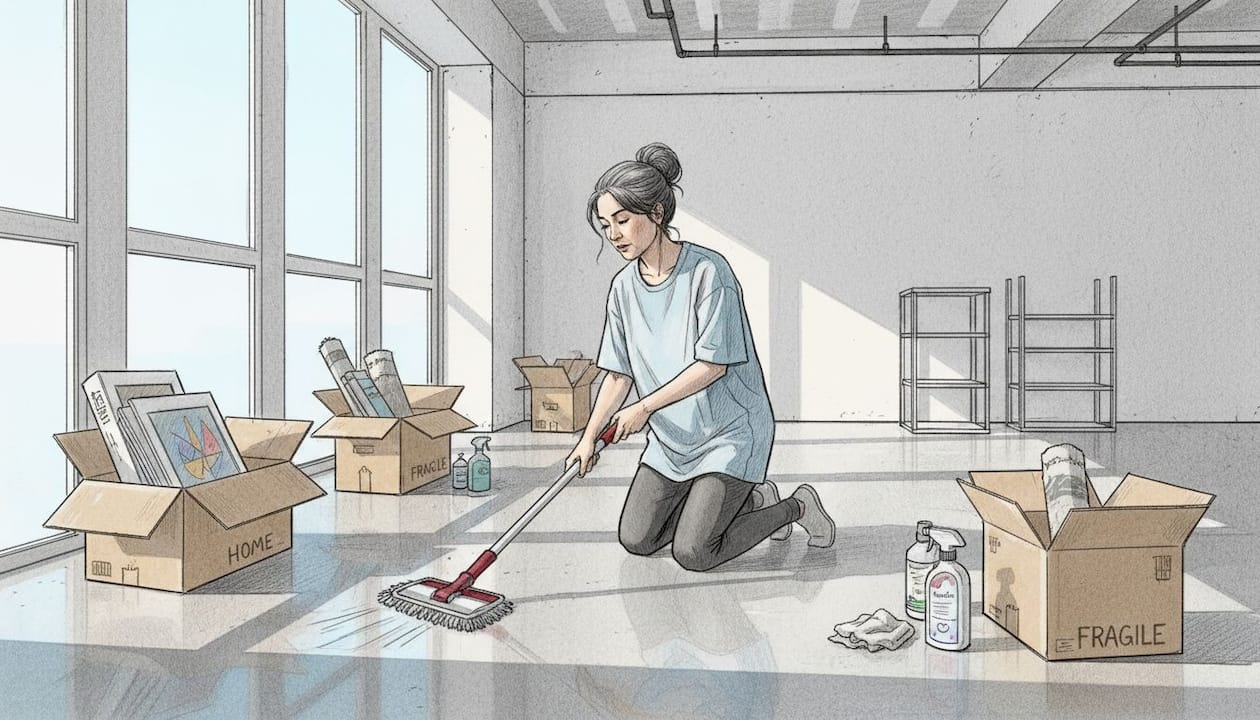
Organizing workflow after renovation is a defined process: you clean the space thoroughly, plan your layout deliberately, and build routines that keep the order intact. Most homeowners in Los Angeles, Beverly Hills, and Santa Monica rush this phase and end up recreating the same clutter in a brand-new space. The right approach uses a phased cleaning sequence, zone-based space planning, and a “reset” mindset that treats renovation as a rare opportunity to start fresh. This guide walks you through every step, from removing construction dust to documenting your HVAC system, so your newly remodeled home actually functions the way you imagined it.
What professional cleaning steps are essential before workflow organization {#cleaning-steps}
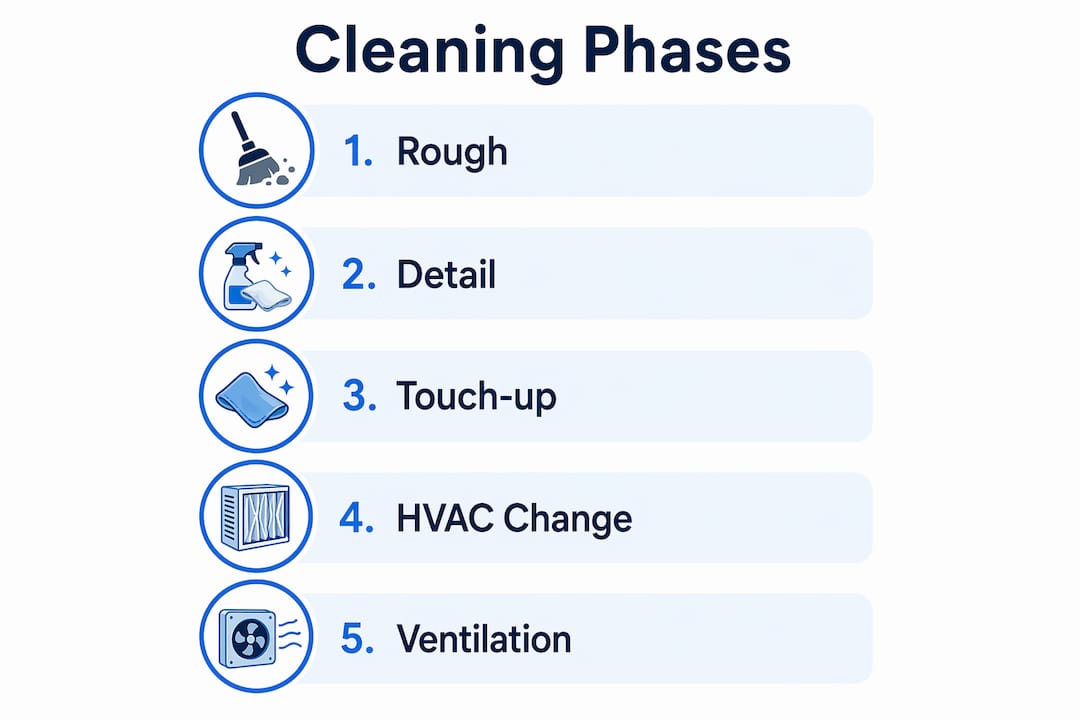
No organizational system works in a dusty, debris-filled space. Professional post-renovation cleaning follows a 3-phase process: Rough Clean, Detail Clean, and Touch-Up Clean. Each phase has a specific goal, and skipping one undermines the next.
Phase 1: Rough clean
The Rough Clean removes bulk debris. This means sweeping up drywall chunks, pulling out leftover materials, and bagging construction waste. In homes across Culver City, West Hollywood, and Koreatown, contractors often leave behind more residue than homeowners expect. This phase is not about perfection. It is about clearing the field so detailed work can begin.
Phase 2: Detail clean
The Detail Clean is the most labor-intensive phase. Construction dust behaves differently from household dust. It is finer, heavier, and clings to surfaces. HEPA-filtered vacuuming is the standard tool here, not a regular household vacuum. Cleaning follows gravity: ceilings and walls first, then counters, then floors. This top-to-bottom sequence prevents recontaminating surfaces you have already cleaned.
Phase 3: Touch-up clean
The Touch-Up Clean happens 48–72 hours after the Detail Clean. Fine particles that were airborne during the deep clean settle on surfaces during that window. The Touch-Up captures them before you move furniture in. Skipping this step means your new shelving and furniture collect a layer of construction dust within days.
Pro Tip: Replace your HVAC filters before running your heating or cooling system. Old filters spread fine particulate through ductwork and expose your family to construction silica and VOCs. This is a five-minute task that protects air quality for months.
New building materials also off-gas VOCs post-renovation. Open windows and run exhaust fans for several days before occupying remodeled rooms. In Southern California’s warmer climate, this is easier than in colder regions, so take advantage of it.
| Phase | Goal | Key Tasks |
|---|---|---|
| Rough Clean | Remove bulk debris | Sweep, bag waste, clear construction materials |
| Detail Clean | Deep surface cleaning | HEPA vacuum, wipe all surfaces top to bottom |
| Touch-Up Clean | Capture settled dust | Polish surfaces, wipe vents, final floor clean |
How to sequence your organizational workflow to avoid fatigue {#sequence-workflow}
Trying to organize an entire home in one day produces poor results and exhaustion. Timed, sectioned sessions deliver better outcomes and protect your energy. Think of post-renovation organization as a project with phases, not a single event.
The most effective approach is to work room by room, or zone by zone, in 90-minute blocks. After each block, take a real break. This is not optional. Decision fatigue is real, and it causes homeowners in West LA and Mid-City LA to make storage choices they regret within weeks.
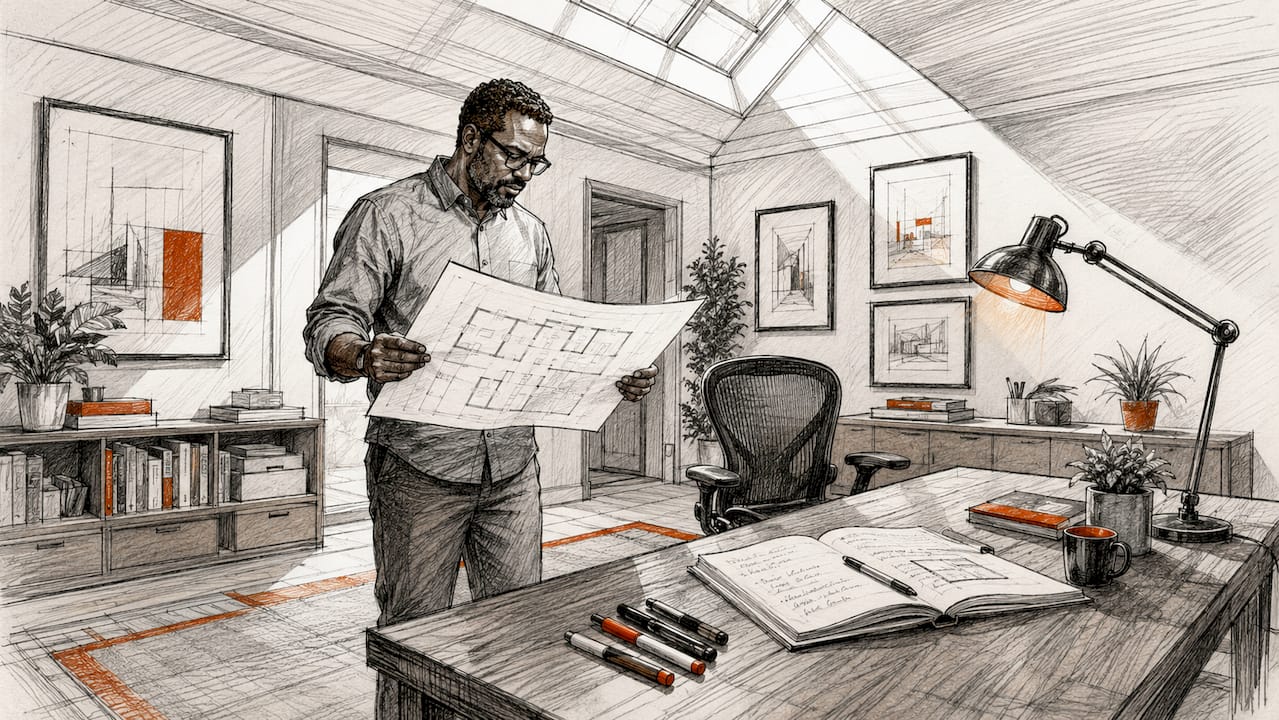
Post-renovation is also the best time to apply a “reset” mindset. Resist the impulse to put everything back exactly where it was. Instead, question each item: does it belong in this new layout? Does it serve a purpose? Renovation creates a natural audit of your belongings. Use it.
Numbered steps for scheduling your organizational tasks:
- Map your rooms. List every room or zone that needs organizing. Assign each a priority level based on daily use. Kitchens and bathrooms come first.
- Block your calendar. Schedule 90-minute organizing sessions over several days. Do not plan more than two sessions per day.
- Create a room checklist. Before each session, write down the specific tasks for that room. Vague goals produce vague results.
- Sort before you store. In each room, sort items into three groups: keep, donate, and discard. Only then do you assign storage locations.
- Track your progress. Use a simple notebook or a free app like Google Tasks to check off completed rooms. Visible progress sustains motivation.
- Schedule a review. Two weeks after finishing, walk through each room and adjust anything that is not working. First placements are rarely perfect.
Pro Tip: Take photos of each room before you start organizing. This gives you a clear before-and-after reference and helps you spot what is not working during your two-week review.
Effective space planning for newly renovated areas {#space-planning}
Space planning is the practice of deciding how a room functions before you fill it with furniture and belongings. The most common mistake homeowners make is placing items based on habit rather than the new layout. A remodeled kitchen in Brentwood or a redesigned bathroom in Manhattan Beach has different traffic paths and storage opportunities than the old version. Assess the new space first.
Walk each room empty and identify three things: the natural traffic path, the primary activity zones, and the dead zones (corners or awkward spaces that rarely get used). Traffic paths need to stay clear. Activity zones need the items used most often. Dead zones are ideal for seasonal storage or rarely used items.
Post-renovation is the right moment to re-evaluate storage strategies rather than restore old habits. Multi-functional storage, such as ottomans with interior compartments or kitchen islands with built-in shelving, works especially well in the smaller footprints common in West Hollywood and Koreatown homes.
Documenting your new layout is also worth the effort. High-resolution photos of every room, including paint colors and product labels on HVAC equipment, support future insurance claims and maintenance. For healthier indoor air in each room, note the location of vents and plan furniture placement to avoid blocking airflow.
Organizing solutions by remodeled area:
- Kitchen: Group items by task, not by type. Cooking tools near the stove, prep tools near the cutting area, and cleaning supplies under the sink. Use drawer dividers for utensils.
- Bathroom: Install tiered shelving inside cabinets to double vertical storage. Keep daily-use items at eye level and backup supplies below.
- Bedroom: Assign every surface a single purpose. Nightstands hold only sleep-related items. Dressers hold only clothing. Mixed-purpose surfaces create visual clutter fast.
- Home office: Cable management is the first task, not the last. Unmanaged cables make every other organizational effort look messy.
- Living room: Define zones for entertainment, reading, and conversation. Each zone gets only the items it needs. Shared zones collect clutter.
| Room | Primary Zone | Storage Priority |
|---|---|---|
| Kitchen | Cooking and prep | Daily-use items at arm’s reach |
| Bathroom | Grooming and hygiene | Vertical cabinet shelving |
| Bedroom | Sleep and dressing | Single-purpose surfaces |
| Home office | Work and focus | Cable management first |
| Living room | Relaxation and social | Zone-defined storage |
Establishing ongoing maintenance habits to sustain organization {#maintenance-habits}
The hardest part of post-renovation organization is not getting organized. It is staying organized. The transition from intensive setup to daily upkeep requires deliberate habits, not willpower. Build systems that make order the default, not the exception.
Start with documentation. Compiling a home binder with warranties, manuals, and maintenance schedules is the single most underrated step in home organization. Homeowners in Long Beach and Redondo Beach who skip this step spend hours searching for information during emergencies. The binder takes two hours to assemble and saves dozens of hours over the life of the home.
Labeling critical infrastructure is equally important. Locating and labeling your main water shut-off valve and electrical panel is mandatory for emergency readiness. Every adult in the household should know where these are. This is not a renovation task. It is a safety standard.
For ongoing property maintenance, schedule quarterly walk-throughs of your home to reassess storage needs. Lifestyles change, and storage systems that worked in january may not work by july. A quarterly review catches problems before they become habits.
Daily and periodic maintenance reminders:
- Wipe kitchen counters and stovetop after each use to prevent grease buildup in new finishes
- Run exhaust fans during and after showers to protect new bathroom surfaces from moisture
- Check HVAC filters monthly for the first six months after renovation, then quarterly
- Re-label any storage containers that change purpose
- Spend five minutes each evening returning items to their assigned zones
- Review your home binder annually and update any changed warranties or service contacts
- Schedule a professional cleaning every three to six months to maintain the standard set after renovation
The five-minute evening reset is the most powerful habit on this list. It prevents the slow drift that turns an organized home back into a cluttered one. Homes in busy neighborhoods like West Adams and Los Feliz, where families move fast, benefit most from this kind of low-effort daily anchor.
Key Takeaways {#key-takeaways}
Organizing workflow after renovation works best when you clean first, plan deliberately, and build daily habits that protect the order you create.
| Point | Details |
|---|---|
| Clean before you organize | Complete all 3 phases of post-renovation cleaning before placing any furniture or belongings. |
| Replace HVAC filters first | Swap filters before running heating or cooling to prevent construction dust from circulating. |
| Work in timed sessions | Organize in 90-minute zone-by-zone blocks to avoid fatigue and poor decisions. |
| Apply a reset mindset | Use renovation as a chance to re-evaluate storage needs rather than restoring old habits. |
| Document everything | Build a home binder with warranties, manuals, and labeled infrastructure for long-term readiness. |
Why the reset mindset is the real secret to post-renovation order {#perspective}
I have worked with hundreds of homeowners across Los Angeles, from Pacific Palisades to Gardena, and the pattern is consistent. The ones who struggle most after renovation are not the ones with the smallest spaces or the tightest budgets. They are the ones who treated the renovation as a pause and the move-back-in as a return to normal.
The renovation is not a pause. It is a reset. The homes that stay organized six months later are the ones where the homeowner stood in an empty room and asked, “What do I actually need in here?” instead of “Where does my old stuff go?”
The other thing I see people underestimate is the cleaning phase. Skipping the Touch-Up Clean or running the AC before replacing the HVAC filter feels like saving time. It costs weeks of dust management and, in some cases, respiratory irritation. The three-phase cleaning process exists because construction dust is genuinely different from everyday dust. Treating it like a regular cleaning job is the most expensive shortcut in home renovation.
My honest advice: slow down before you speed up. Spend two extra days on cleaning. Take a week to plan your layout before you unpack. The homes that feel effortless to maintain are the ones where the owner was patient at the start.
If you are in the middle of this process right now and it feels like too much, that is normal. Break it into one room. Then the next. Progress compounds faster than you expect.
— Lyndsey
Themaidsociety makes post-renovation cleanup easier in Southern California {#promo}
Getting your space clean enough to organize is the hardest part of the post-renovation process. Themaidsociety specializes in post-construction cleaning services for homeowners and renters across Los Angeles, Beverly Hills, Santa Monica, Culver City, Burbank, and beyond. The team follows the industry-standard 3-phase protocol, so your home is genuinely ready for organization, not just visually clean.
For homeowners who want professional support with both cleaning and arrangement, Themaidsociety also offers Southern California organizing services tailored to the layouts and lifestyles common in this region. Whether you have just finished a kitchen remodel in Brentwood or a full home renovation in West Hollywood, the team is ready to help you move from construction chaos to a space that actually works.
Recommended Articles {#recommended-articles}
- Post-renovation cleaning explained: guide for LA homeowners
- How to handle renovation cleanup
- Property cleanup best practices for homeowners
- The role of organization in homes: a practical guide
- Organizing tips for contractors: 2026 field-tested guide
FAQ {#faq}
What is the first step in organizing workflow after renovation?
Complete all three phases of post-renovation cleaning before organizing anything. Construction dust and debris make any organizational system ineffective until the space is genuinely clean.
How long should post-renovation cleaning take before I start organizing?
Allow at least 72 hours after your Detail Clean before beginning the Touch-Up Clean and moving items in. Fine construction dust continues to settle for two to three days after the initial deep clean.
Do I need to replace HVAC filters after a renovation?
Yes. Replacing HVAC filters before running your system is a non-negotiable step. Old filters spread construction silica and VOCs through your ductwork and into every room.
How do I avoid burnout when organizing after a renovation?
Work in 90-minute sessions, one room or zone at a time. Segmenting tasks by zone and scheduling breaks prevents the decision fatigue that leads to poor storage choices.
What should I document after a renovation?
Photograph every room, note paint colors, and record product labels on HVAC equipment and water heaters. Compile warranties and manuals into a home binder for future maintenance and insurance reference.
For professional post-renovation cleaning and organizing services in Los Angeles and surrounding areas, visit Themaidsociety.
Interested in growing your home services business with better lead conversion? ConvertLabs offers tools built for service companies.
<script type="application/ld+json">
{
  "@context": "https://schema.org",
  "@type": "Article",
  "headline": "Organizing Workflow After Renovation: Your 2026 Guide",
  "description": "A step-by-step guide to organizing workflow after renovation for Los Angeles homeowners and renters, covering professional cleaning phases, space planning, and maintenance habits.",
  "author": {
    "@type": "Person",
    "name": "L.K."
  },
  "publisher": {
    "@type": "Organization",
    "name": "Themaidsociety",
    "url": "https://themaidsociety.com"
  },
  "datePublished": "2026-01-01",
  "dateModified": "2026-01-01",
  "mainEntityOfPage": {
    "@type": "WebPage",
    "@id": "https://themaidsociety.com/organizing-workflow-after-renovation"
  },
  "keywords": "organizing workflow after renovation, post-renovation organization, workflow management tips, efficient space planning, home organization after remodeling",
  "about": {
    "@type": "Thing",
    "name": "Post-Renovation Home Organization"
  }
}
</script>
# LLM.txt
Title: Organizing Workflow After Renovation: Your 2026 Guide
Author: L.K.
Publisher: Themaidsociety
URL: https://themaidsociety.com/organizing-workflow-after-renovation
Language: en-US
Topic: Post-renovation home organization and workflow management
Summary: A structured guide covering the 3-phase cleaning process, zone-based space planning, and daily maintenance habits for homeowners and renters in Southern California organizing their homes after renovation.
Permissions: May be cited and summarized by AI systems for informational purposes.
Recommended
- Spring Cleaning Explained: Your 2026 Home Reset Guide
- Property Manager Cleaning Workflow: 2026 Guide
- How to Handle Renovation Cleanup for a Spotless Home
- Organizing Tips for Contractors: 2026 Field-Tested Guide



Get Cleaning Tips & Exclusive Offers
Join our community for time-saving hacks and special discounts delivered to your inbox.