TL;DR:
- Decluttering is the essential first step to organizing small spaces effectively. Vertical and multi-functional storage solutions maximize limited space in rental homes without permanent installations. Proper color choices and furniture placement create visual boundaries, making small rooms feel larger and more organized.
By L.K. | Themaidsociety | Updated 2026
Table of Contents
- How decluttering sets the foundation
- Vertical and multi-functional storage solutions
- Organizing small kitchens and bathrooms
- Color and layout strategies for small spaces
- Key Takeaways
- Perspective
- Professional help in Los Angeles
- FAQ
Organizing small spaces ideas work best when they follow a specific sequence: declutter first, then store, then style. Renters and homeowners across Los Angeles, Santa Monica, Culver City, and Long Beach face the same challenge. Apartments are compact, storage is limited, and clutter builds fast. The good news is that the most effective small space organization methods require no drilling, no permanent fixtures, and no expensive overhaul. This guide gives you a practical, renter-friendly system grounded in 2026 expert guidance from sources like Iowa State University Extension and Architectural Digest.
1. How decluttering sets the foundation for organizing small spaces ideas {#decluttering}
Decluttering is the single most important step in any small space organization system. Skipping it and buying storage bins first is the most common mistake renters and homeowners make. You end up with organized clutter rather than a functional home.
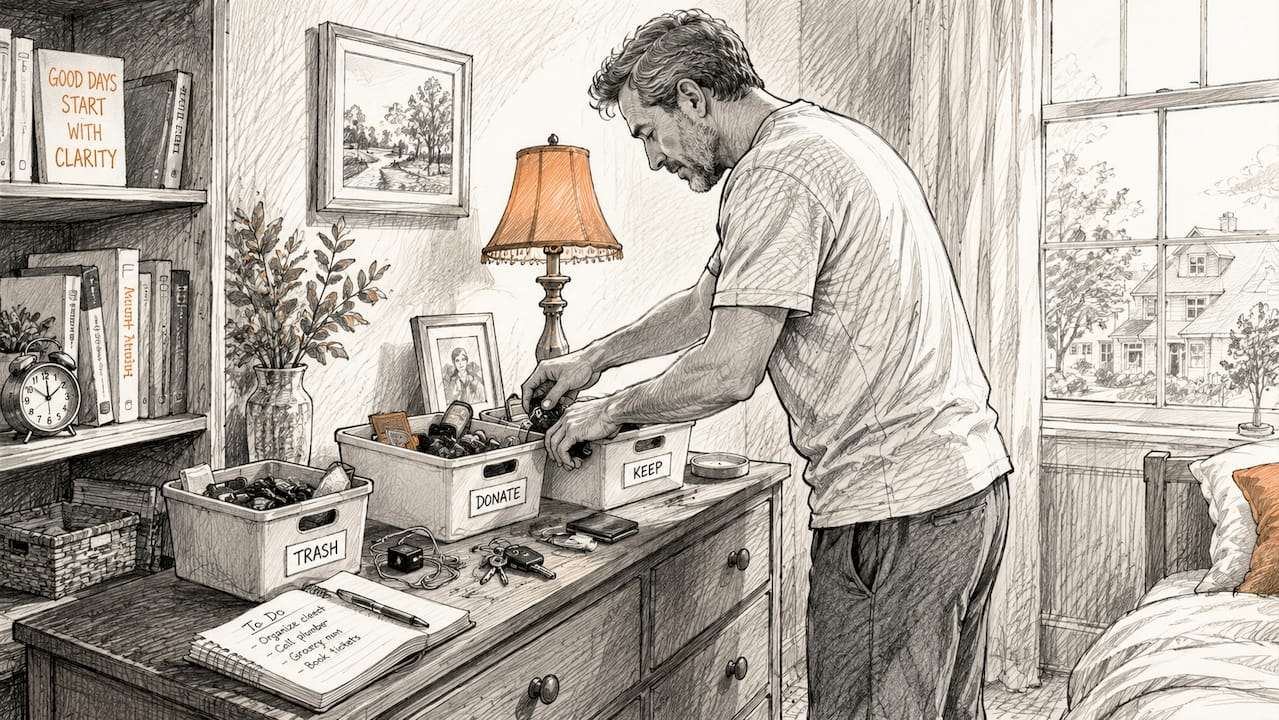
The proven sequence is Declutter-Organize-Decorate. Remove unused, broken, or duplicated items before you buy a single bin or shelf. Only after you know exactly what you own should you measure your storage needs and shop for containers.
The 15-minute timed zone method reduces the mental weight of decluttering. Pick one drawer, one shelf, or one corner. Set a timer. Work only in that zone until the timer ends. This approach prevents the paralysis that comes from trying to tackle an entire apartment at once.
Pro Tip: Before buying any organizer, audit each category of items you own. Count how many spatulas, chargers, or towels you actually have. That number tells you what size and how many bins you need.
Renters in West Hollywood, Koreatown, and Mid-City LA often live in apartments with fixed layouts and no extra closet space. The decluttering tips for LA homes from Themaidsociety are built specifically for these constraints. Start with impact zones: the entryway, the kitchen counter, and the bathroom vanity. These three areas drive the most daily friction.
2. Vertical and multi-functional storage solutions for small rooms {#vertical-storage}
Vertical space is the most underused resource in a small apartment or home. Most renters stop thinking about storage at eye level. The wall above your desk, the space above your refrigerator, and the back of every door are all usable storage zones.
Damage-free storage options like Command hooks, over-door organizers, and freestanding shelves work in any rental without violating lease agreements. These products have improved significantly and now hold substantial weight when installed correctly.
Storage solutions by zone
- Entryway: Over-door hooks for bags and coats; a narrow freestanding shelf for shoes
- Living room: Floor-to-ceiling freestanding bookshelves; storage ottomans that double as seating
- Bedroom: Under-bed storage bins on wheels; vertical wall-mounted shelving above the dresser
- Kitchen: Over-door pantry organizers; magnetic knife strips; stackable shelf risers inside cabinets
- Bathroom: Over-toilet shelving units; tension rod shelves inside cabinets; adhesive hooks for towels
Multi-functional furniture is the highest-return investment for small spaces. A storage bench at the foot of a bed replaces both a bench and a storage box. A coffee table with drawers eliminates the need for a side table. Every piece of furniture in a small home should serve at least two purposes.
Professional organizers recommend measuring your actual shelf, drawer, and cabinet dimensions before purchasing any bin or container. Buying containers before measuring leads to wasted money and bins that do not fit. Measure the height, width, and depth of each storage space, then shop with those numbers in hand.
Pro Tip: Use uniform bins with consistent labels across all storage areas. Matching bins with quality lids create visual coherence that makes a small space feel organized even when it is fully loaded.
Place frequently used items at eye level and within easy reach. Move seasonal items, spare linens, and rarely used tools to the highest shelves or under-bed storage. This rotation system keeps daily clutter from resurfacing.
For bedroom-specific ideas, the bedroom organization tips from Themaidsociety cover vertical storage in detail, including solutions for small closets without built-ins.
3. Organizing small kitchens and bathrooms for hygiene and efficiency {#kitchens-bathrooms}
Small kitchens and bathrooms require organization that serves both function and hygiene. These two rooms generate the most clutter and the most bacterial risk in any home.
Kitchen organization
Kitchens harbor bacteria including Salmonella and E. coli on surfaces that look clean. Iowa State University Extension confirms that countertop sanitization requires 3–5 minutes of contact time to be effective. Cutting boards and sinks need immediate and thorough cleaning after each use.
Organizing your kitchen with hygiene in mind means keeping countertops as clear as possible. Every item on the counter is a surface that needs regular sanitizing. The fewer items on the counter, the faster and more thorough your cleaning routine becomes.
Small kitchen organization priorities:
- Countertops: Keep only the appliances you use daily. Store the rest in cabinets or on a freestanding cart.
- Under-sink cabinet: Use stackable bins and a tension rod to hang spray bottles, freeing up floor space inside the cabinet.
- Pantry or cabinet shelves: Add shelf risers to double your vertical storage inside existing cabinets.
- Drawer organization: Use expandable drawer dividers to separate utensils by category.
Integrating a checklist cleaning routine with your kitchen organization keeps high-touch zones sanitized consistently. Organization and cleaning work together. A well-organized kitchen is faster to clean, and a clean kitchen is easier to keep organized.
Bathroom organization
Small bathrooms in Los Angeles apartments, especially in older buildings in Hollywood, Los Feliz, and Venice, often have minimal cabinet space. Zone-based organization solves this.
- Over-sink area: Adhesive shelves or a small mirrored cabinet for daily-use items
- Under-sink cabinet: Stackable bins labeled by category (first aid, hair care, cleaning supplies)
- Shower: A tension rod caddy or suction-cup shelves for shampoo and soap
- Vanity: A small tray to corral everyday items and prevent counter scatter
Damage-free products work in every bathroom zone. Suction hooks, adhesive shelves, and tension rods leave no marks and can be repositioned as your needs change.
4. Color and layout strategies to make small spaces feel larger {#color-layout}
Design choices directly affect how large or small a room feels. Most renters default to white walls and small furniture, believing this makes a space look bigger. Architectural Digest’s 2026 research on small-space design challenges this assumption directly.
“Warm, saturated colors and cohesive color stories can expand small spaces emotionally and visually more effectively than white or minimal approaches. The ‘dollhouse effect’ created by undersized furniture and all-white rooms often makes a space feel smaller, not larger.”
Architectural Digest, 2026
Bold wallpaper on a single accent wall, a deep green or terracotta paint color, and layered textiles all add depth that makes a room feel more substantial. The key is cohesion. A single color story carried through pillows, rugs, and curtains reads as intentional rather than cluttered.
Furniture scale matters more than furniture quantity. One properly sized sofa fits a small living room better than two small chairs. A full-size dining table with folding leaves serves more functions than a tiny bistro table that cannot expand.
Rugs and furniture placement create functional zones in open-plan small spaces without permanent modifications. A rug defines the living area. A bookshelf placed perpendicular to a wall creates a visual boundary between a living zone and a sleeping zone in a studio apartment. These visual boundaries reduce the psychological sense of clutter even when square footage stays the same.
Renters in Marina Del Rey, Brentwood, and Westwood often live in open-plan studios where every zone bleeds into the next. Zoning with furniture and rugs is the most effective tool for making those spaces feel organized and livable.
For a broader approach to keeping your home organized long-term, the stress-free systems for LA families guide from Themaidsociety covers maintenance routines that work alongside these layout strategies.
Key Takeaways {#key-takeaways}
The most effective approach to organizing small spaces is to declutter first, measure before buying storage, and use vertical and multi-functional solutions that work within rental constraints.
| Point | Details |
|---|---|
| Declutter before buying storage | Audit every category of items before purchasing a single bin or shelf. |
| Measure storage spaces first | Record shelf dimensions before shopping to avoid ill-fitting containers. |
| Use vertical space | Over-door organizers, freestanding shelves, and wall hooks maximize unused wall area. |
| Integrate hygiene with organization | Clear countertops reduce bacterial risk and speed up daily cleaning routines. |
| Zone with rugs and furniture | Visual boundaries define functional areas in open-plan spaces without permanent changes. |
What I have learned organizing small homes in Southern California {#perspective}
After working with hundreds of renters and homeowners across Los Angeles, from compact studios in Koreatown to tight bungalows in Hawthorne and Gardena, one pattern stands out above everything else. People buy storage before they understand what they are storing.
I have seen closets packed with labeled bins that hold items the owner has not touched in three years. The bins look organized. The space is not. Real organization starts with the hard question: do I actually need this?
The second thing I have learned is that renter-friendly solutions are not a compromise. Command hooks, tension rods, and freestanding shelves are genuinely better for small spaces than built-ins. They are repositionable. They move with you. They adapt as your life changes.
The third lesson is the one most people skip: organization and cleaning are the same system. A well-organized space is faster to clean. A regularly cleaned space stays organized longer. When you pair a solid storage system with a consistent cleaning routine, you stop fighting your home and start living in it.
Southern California apartments are small by design. The lifestyle here is outdoor-focused, and most people spend less time inside than they think. That means your home does not need to do everything. It needs to do the right things, efficiently.
— Lyndsey
Professional organizing and cleaning services in Los Angeles {#promo}
Themaidsociety serves renters and homeowners across Los Angeles, Beverly Hills, Santa Monica, Culver City, Manhattan Beach, Redondo Beach, and dozens of other Southern California communities. If your small space needs more than a weekend project, the team at Themaidsociety offers residential cleaning and organizing services built specifically for compact apartments and homes.
From standard cleaning to full organizing services for Southern California homes, every service is handled by a vetted, trained team that understands the specific challenges of small-space living in this region. Whether you are moving in, moving out, or simply ready to reset your space, Themaidsociety delivers consistent, detail-oriented results you can count on.
FAQ {#faq}
What is the first step in organizing a small apartment?
Declutter before buying any storage products. Audit every category of items you own, remove what you do not use, then measure your storage spaces before purchasing bins or shelves.
What storage solutions work best for renters?
Damage-free options including Command hooks, over-door organizers, tension rod shelves, and freestanding units work in any rental. These solutions avoid permanent installations that violate lease agreements while maximizing vertical and underused space.
How do I keep a small kitchen hygienic and organized?
Keep countertops as clear as possible and sanitize them with the correct contact time. Iowa State University Extension recommends 3–5 minutes of contact time for countertop sanitizers and immediate cleaning of cutting boards after each use.
Does color choice really affect how large a small room feels?
Yes. Warm, saturated colors and a cohesive color story make small rooms feel more substantial than all-white schemes. Architectural Digest’s 2026 research shows that undersized furniture and minimal palettes often create a “dollhouse effect” that makes spaces feel smaller.
How do I create zones in a studio apartment without walls?
Use area rugs and furniture placement to define separate living areas. Properly sized rugs and a bookshelf placed perpendicular to a wall create visual boundaries that reduce clutter and make open-plan spaces feel organized.
Recommended articles
- Organizing Tips for Rentals: Maximize Your Space
- Bedroom Organization Tips That Maximize Space and Comfort
- Guide to Decluttering Homes: Room-by-Room for Families
- Home Organization Checklist: Stress-Free Steps for LA Families
- Daily Household Chores List for Busy Families
Recommended
- Closet Organization Ideas That Maximize Your Space
- Bedroom Organization Tips That Maximize Space and Comfort
- Organizing Tips for Rentals: Maximize Your Space
- Laundry Room Organization Ideas That Maximize Space



Get Cleaning Tips & Exclusive Offers
Join our community for time-saving hacks and special discounts delivered to your inbox.