TL;DR:
- Organizing your closet with sorting and vertical space strategies creates more functional storage. Maintaining it requires a simple monthly reset and zoning based on daily use. Professional services in Los Angeles can help establish and sustain an efficient, clutter-free closet system.
By L.K. | Themaidsociety | Los Angeles, CA
{
  "@context": "https://schema.org",
  "@type": "Article",
  "headline": "Closet Organization Ideas That Maximize Your Space",
  "author": {
    "@type": "Person",
    "name": "L.K."
  },
  "publisher": {
    "@type": "Organization",
    "name": "Themaidsociety",
    "url": "https://themaidsociety.com"
  },
  "datePublished": "2026-01-01",
  "dateModified": "2026-01-01",
  "description": "Practical closet organization ideas for Southern California homeowners and renters. Learn how to sort, zone, and maintain a functional closet without expensive custom installations.",
  "mainEntityOfPage": {
    "@type": "WebPage",
    "@id": "https://themaidsociety.com/closet-organization-ideas"
  }
}
Closet organization ideas are methods and strategies designed to make your closet functional, accessible, and visually calm. A well-organized closet saves you time every morning, reduces daily stress, and keeps your home feeling under control. The best systems combine strategic sorting, smart use of vertical space, and a simple monthly refresh routine. Whether you rent an apartment in West Hollywood or own a home in Manhattan Beach, these practical steps work without expensive custom installations or a full weekend commitment.
Table of Contents
- The most efficient way to organize your closet
- How to maximize vertical space in small closets
- How to zone your closet for daily ease
- The best tools and accessories for closet storage
- How Southern California renters and homeowners can maintain order
- Key Takeaways
- Perspective
- Professional help in Los Angeles
- FAQ
1. The most efficient way to organize your closet
Sorting and purging before buying organizers is the single most important step in any closet system. Buying bins and dividers first leads to wrong-sized products and wasted money. Start by understanding exactly what you own.
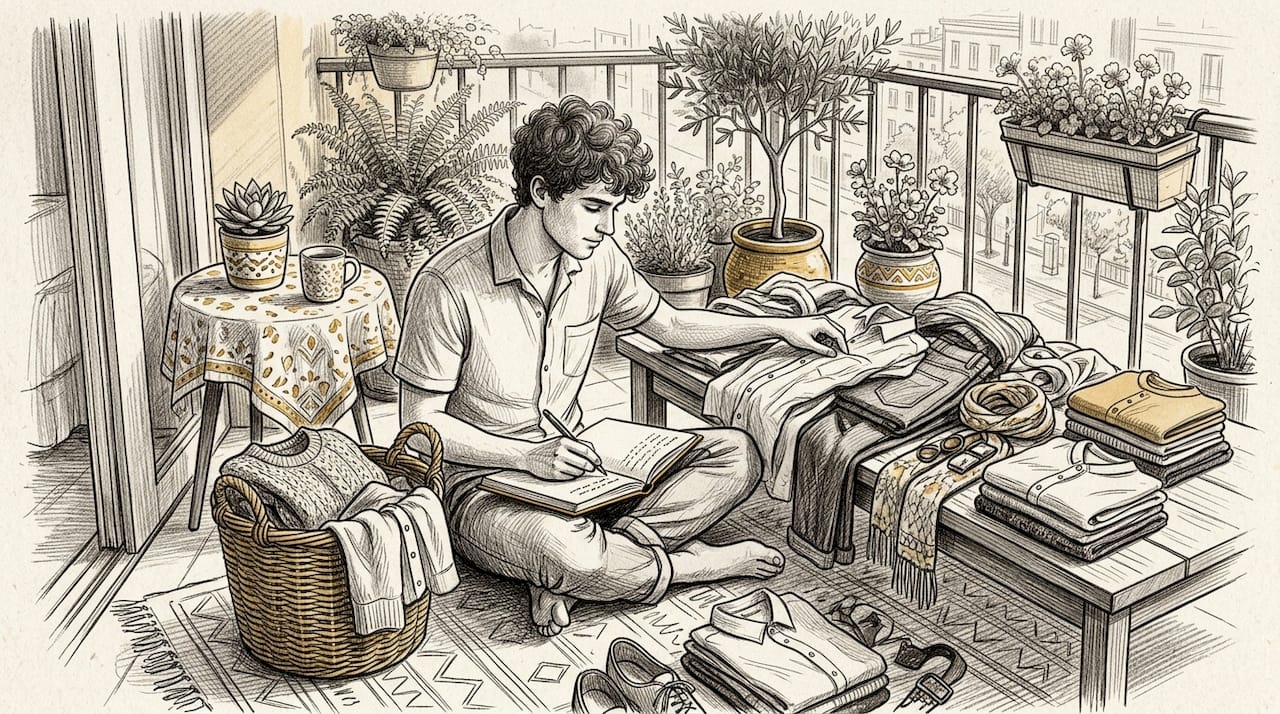
Step 1: Empty everything out.
Pull every item out of the closet and place it on your bed or floor. This forces you to confront the full inventory rather than working around existing clutter.
Step 2: Sort into five categories.
- Keep: Items you wear regularly and love
- Donate: Clean items in good condition you no longer use
- Sell: Higher-value pieces worth listing online
- Trash: Worn-out, damaged, or unusable items
- Maybe: Items you are unsure about (revisit in 30 days)
Step 3: Purge before you organize.
A closet stuffed with items you do not use will never stay organized. Removing excess is what creates the functional space you are trying to build.
Step 4: Return only what belongs.
Place items back by category and frequency of use. This is the moment to decide where things live, not after you have already bought storage products.
Step 5: Schedule a monthly refresh.
A monthly 20–30 minute refresh keeps the system functional without requiring a full overhaul. This is the maintenance habit that separates closets that stay organized from those that collapse within weeks.
Pro Tip: Do not buy a single bin or basket until you have completed the sort and purge. Once you know exactly what you are keeping, you can measure and buy the right products the first time.
2. How to maximize vertical space in small closets
Vertical space is the most underused resource in any closet. Most closets have 12–18 inches of dead air above the top shelf and significant unused height below hanging clothes. Reclaiming that space is the fastest way to double your storage without moving walls.
Key vertical storage strategies
- Double hanging rods: Install an adjustable second rod below your existing one. Short items like jackets, folded shirts, and skirts hang on the lower rod, freeing the upper rod for longer pieces. This single change can nearly double your hanging capacity.
- Slim velvet hangers: Velvet hangers increase rod capacity by 30–40% compared to standard plastic hangers. They are inexpensive, prevent clothes from slipping, and make the rod look uniform.
- 18-inch shelves above the rod: Clothes folded on shelves require 16 inches of depth, making 18-inch shelving the standard for efficient folded storage. Add a shelf above your hanging rod for sweaters, bags, or bins.
- Shelf risers and acrylic dividers: Risers create two levels on a single shelf. Acrylic dividers keep folded stacks from toppling and make it easy to grab one item without disturbing the rest.
- Stacked shoe organizers: Vertical shoe stackers can double storage capacity without using additional floor space. Clear stackers let you see every pair at a glance.
- Over-the-door organizers and hooks: Door backs and overhead shelving maximize existing space without permanent builds. This makes them ideal for renters in Culver City, Koreatown, or anywhere a landlord restricts wall modifications.
| Storage Tool | Best For | Renter-Friendly? |
|---|---|---|
| Slim velvet hangers | Increasing rod capacity | Yes |
| Double hanging rod | Short garments, jackets | Yes (tension-mounted) |
| Stacked shoe organizers | Footwear, small items | Yes |
| Over-the-door hooks | Bags, belts, accessories | Yes |
| 18-inch shelf above rod | Folded items, bins | Depends on installation |
Pro Tip: Measure your closet rod height before buying a double rod. The lower rod should clear the floor by at least 36 inches for most hanging items. For a walk-in, aim for 42 inches on the long-item side.
3. How to zone your closet for daily ease
Zoning is the practice of assigning specific areas of your closet based on how often you use each item. Daily items placed at eye level near the entrance become accessible within seconds of opening the door. That speed matters more than you might expect when you are running late on a Tuesday morning in Los Angeles traffic.
A well-zoned closet also eliminates the “chair-drobe,” the pile of clothes that accumulates on bedroom chairs when a closet is too hard to navigate. Off-season and special occasion clothing stored higher or deeper reduces daily mess and keeps primary space clear for what you actually wear.
How to set up your zones:
- Zone 1 (eye level, near entrance): Everyday clothes, most-worn shoes, and go-to accessories. This is your prime real estate.
- Zone 2 (upper shelves or back of rod): Seasonal items, formal wear, and occasion-specific pieces. In Southern California, this might mean heavier coats stored from march through october.
- Zone 3 (floor level): Shoes in stackers, bins for gym gear, or a laundry basket.
- Zone 4 (door back or side wall): Belts, scarves, bags, and jewelry using hooks or an over-the-door organizer.
Organizing by outfit combinations or occasions aligns your closet with how you actually get dressed. Instead of hunting for a matching top, you reach for a pre-grouped set. This approach works especially well for busy professionals in Beverly Hills, Santa Monica, and West LA who need to get out the door fast.
Renters benefit from zone-based systems because they require no permanent changes. A tension rod, a few hooks rated for drywall, and a floor organizer create a complete zone system in under two hours.
4. The best tools and accessories for closet storage
The right tools make a closet look and function better. The wrong tools, bought before sorting, create more clutter. Too many organizers make a closet feel cluttered. Uniformity and simplicity outperform variety every time.
The core toolkit for most closets:
- Matching slim felt or velvet hangers: Uniform hangers create visual calm and free up rod space. Replace wire and bulky plastic hangers first.
- Clear stackable bins with labels: Clear bins let you see contents without pulling everything out. Labels remove the guesswork entirely. Use consistent sizing across shelves for a clean look.
- Drawer dividers: Dividers keep folded items, underwear, and accessories separated inside drawers or bins. They prevent the “dig and dump” habit that destroys folded stacks.
- Shelf dividers: Clip-on shelf dividers stop folded piles from leaning and collapsing. They cost very little and make a significant visual difference.
- Hooks (adhesive or over-the-door): Hooks handle bags, robes, belts, and scarves without taking up rod or shelf space. Adhesive hooks rated for 5–10 pounds work in most rental situations without damaging walls.
- Stackable clear shoe boxes: These protect shoes, keep pairs together, and stack neatly. Polaroid-style labels on the front make identification instant.
Pro Tip: Buy all your bins and baskets in one size and one color. Mixing sizes and colors creates visual noise that makes even a tidy closet look messy. Neutral tones like white, gray, or natural wicker work in almost any bedroom.
For renters across Los Angeles, from Inglewood to Burbank, the priority is tools that require no drilling or permanent adhesive. Tension rods, over-the-door products, and freestanding organizers cover most needs. Check out these organizing tips for rentals for a deeper look at renter-specific solutions.
5. How Southern California renters and homeowners can maintain order
A closet system only works if you maintain it. Closet organization systems work best as living systems with routine monthly resets rather than one-time overhauls. The goal is not perfection. The goal is a system that takes less than five minutes to reset on any given day.
A practical maintenance routine for LA homes:
- Monthly 20–30 minute refresh: Return items to their zones, remove anything that has migrated out of place, and pull one or two items to donate. This prevents the slow drift that turns an organized closet back into chaos.
- Seasonal swap (twice a year): Southern California has a mild climate, but you still rotate lighter layers in spring and heavier pieces in fall. Use the swap as a natural decluttering checkpoint.
- One-in, one-out rule: Every new item that enters the closet displaces one existing item. This keeps volume stable without requiring a full sort.
- Humidity awareness: Coastal areas like Venice, Marina Del Rey, and Pacific Palisades experience higher humidity. Store off-season garments in breathable cotton bags rather than plastic bins to prevent mildew.
- Renter-friendly adjustments: Avoid permanent shelving unless your lease permits it. Freestanding units, tension rods, and over-the-door systems give you full flexibility when you move.
Treating your closet as an evolving system that needs periodic reassessment is the mindset shift that makes the biggest difference. A closet is not a set-and-forget installation. It reflects your life, and your life changes. Build in the time to adjust it.
For families in Hawthorne, Gardena, Carson, or Long Beach managing multiple people’s wardrobes, the decluttering guide for busy LA homes covers household-wide systems that extend well beyond the closet.
Key Takeaways
The most effective closet organization system starts with sorting and purging, uses vertical space and zoning to maximize function, and stays current through a simple monthly reset.
| Point | Details |
|---|---|
| Sort before you buy | Purge excess items before purchasing any organizers to avoid mismatched products. |
| Use vertical space | Slim velvet hangers, double rods, and stacked shoe organizers recover significant capacity. |
| Zone by frequency | Place daily items at eye level and store seasonal pieces on upper shelves or deeper in the closet. |
| Keep tools uniform | Matching hangers and consistent bin sizes reduce visual clutter and mental load. |
| Reset monthly | A 20–30 minute monthly refresh prevents major reorganization and keeps the system functional. |
What I have learned after years of watching closets fail
Most closets fail for one reason: people buy the organizers first. I have seen it happen in beautiful homes in Brentwood and in compact rentals in Koreatown. Someone gets inspired, buys a cart full of bins and baskets, and then discovers half of them are the wrong size or the wrong shape for what they actually own. The closet ends up more cluttered than before, and the motivation disappears.
Simple spaces using consistent hanger types and clear labeling reduce mental load far more than elaborate custom systems. I have watched people spend thousands on built-in shelving and still end up with a chair covered in clothes. The system was not the problem. The habits were.
The other mistake I see constantly is trying to do it all in one day. That approach leads to exhaustion and shortcuts. Sort one section. Live with it for a week. Then add the tools. You will make better decisions when you are not racing against the clock.
Function over perfection is the only standard worth holding yourself to. A closet that you can reset in ten minutes on a Sunday morning is worth more than one that looks like a magazine spread but collapses the moment life gets busy. For bedroom organization tips that extend this thinking beyond the closet, the same principles apply: simplicity, consistency, and a routine that fits your actual life.
— Lyndsey
Professional organizing and cleaning services in Los Angeles
Themaidsociety provides residential cleaning and organizing services across Los Angeles, Beverly Hills, Santa Monica, Culver City, West Hollywood, and surrounding Southern California communities. If you want professional support getting your closet and home into order, the team handles everything from initial sorting sessions to recurring maintenance cleans. Scheduling is straightforward, and every service is tailored to your home’s specific needs. Combining a professional organizing session with a recurring cleaning plan keeps your space consistently clean and functional without you having to manage it alone.
Recommended Articles
- Bedroom Organization Tips That Maximize Space and Comfort
- Decluttering Tips for Families: A Guide for Busy LA Homes
- Organizing Tips for Rentals: Maximize Your Space
- Home Organization Checklist: Stress-Free Steps for LA Families
- Types of Organizing Services for Southern California Homes
FAQ
How do I start organizing a messy closet?
Empty the closet completely, then sort everything into keep, donate, sell, trash, and maybe piles before buying any storage products. Sorting first is the step most people skip, and it is the reason most systems fail.
What is the best way to organize a small closet?
Use slim velvet hangers, a double hanging rod for short garments, and stacked shoe organizers to recover floor and rod space. 18-inch shelves above the rod add folded storage without requiring extra square footage.
How often should I reorganize my closet?
A monthly 20–30 minute refresh is enough to keep a system functional once it is set up. Full reorganizations are only needed when your wardrobe or living situation changes significantly.
Can renters in Los Angeles organize their closets without drilling?
Yes. Tension rods, over-the-door organizers, adhesive hooks, and freestanding shelf units require no permanent installation. These tools work in rentals across Los Angeles, from West Adams to El Segundo, without violating lease terms.
What is the “chair-drobe” and how do I stop it?
The chair-drobe is the pile of clothes that builds up on bedroom chairs when a closet is too hard to navigate. Zoning daily items at eye level near the closet entrance makes returning clothes easier than dropping them on a chair.
Want help managing your home’s organization and cleanliness? Visit Themaidsociety to learn more about services available across Los Angeles and Southern California.
Disclosure: This article may contain referral links. Themaidsociety uses ConvertLabs for content performance tracking.
Recommended
- Bedroom Organization Tips That Maximize Space and Comfort
- Organizing Tips for Rentals: Maximize Your Space
- Keep Your Home Organized: Stress-Free Systems for LA Families
- Decluttering tips for families: a guide for busy LA homes



Get Cleaning Tips & Exclusive Offers
Join our community for time-saving hacks and special discounts delivered to your inbox.