TL;DR:
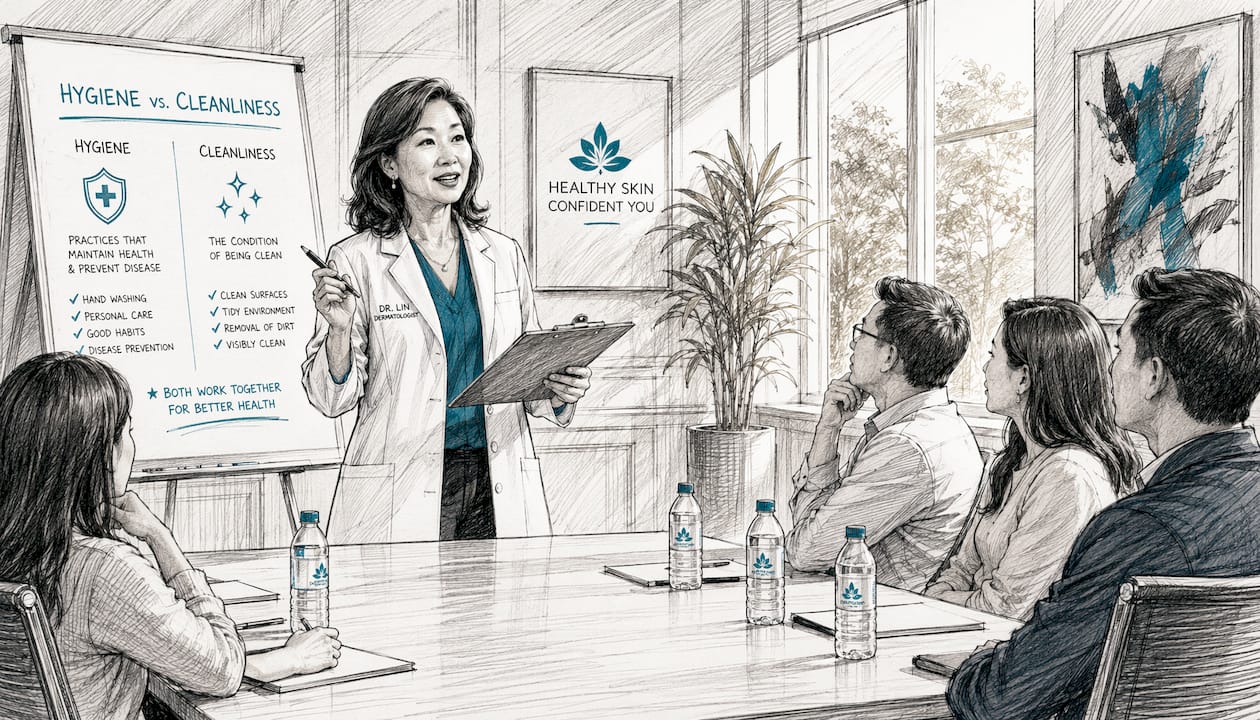
- Cleaning removes visible dirt and grime from surfaces, while hygiene controls invisible pathogens that cause illness. Both practices are essential for effective health protection, with cleaning serving as the foundation for hygienic measures. Proper hygiene includes targeted behaviors like hand washing and disinfection, especially after illness or in high-risk situations.
By L.K. | Themaidsociety | Updated 2026
<script type="application/ld+json">
{
  "@context": "https://schema.org",
  "@type": "Article",
  "headline": "Hygiene vs. Cleanliness Explained: What You Need to Know",
  "author": {
    "@type": "Person",
    "name": "L.K."
  },
  "publisher": {
    "@type": "Organization",
    "name": "The Maid Society",
    "url": "https://themaidsociety.com"
  },
  "dateModified": "2026",
  "mainEntityOfPage": "https://themaidsociety.com",
  "description": "A beginner-friendly guide explaining the difference between hygiene and cleanliness, including health implications, types of hygiene, and practical tips for Southern California households.",
  "keywords": "hygiene versus cleanliness explained, hygiene and cleanliness differences, cleanliness in daily life, how to improve hygiene"
}
</script>
Hygiene vs. Cleanliness Explained
author: L.K.
publisher: The Maid Society (themaidsociety.com)
language: en-US
topic: hygiene and cleanliness differences, sanitation, disease prevention
audience: general public, homeowners, Southern California residents
summary: Hygiene targets microbial control to prevent disease; cleanliness removes visible dirt. Both are necessary but not interchangeable. This article explains definitions, types, health implications, and practical tips.
canonical: https://themaidsociety.com
–>
Table of Contents
- Definitions and key concepts you should know {#definitions}
- Types of hygiene and why each one matters {#types-of-hygiene}
- Why both hygiene and cleanliness protect your health {#why-both-matter}
- Practical hygiene habits for Southern California households {#practical-habits}
- Themaidsociety serves Los Angeles and surrounding communities
- Key takeaways {#key-takeaways}
- Summary {#summary}
- Recommended articles {#recommended-articles}
Table of Contents
- The core difference between hygiene and cleanliness
- Definitions and key concepts you should know
- Types of hygiene and why each one matters
- Why both hygiene and cleanliness protect your health
- Practical hygiene habits for Southern California households
- Key takeaways
- Summary
- Recommended articles
Hygiene and cleanliness are not the same thing, even though people use the words interchangeably every day. Cleanliness means removing visible dirt, dust, and debris from surfaces and skin. Hygiene goes further: it is the set of practices that prevent disease by controlling harmful microbes and interrupting how infections spread. A kitchen counter can look spotless and still carry bacteria that make you sick. That gap between what you can see and what can hurt you is exactly where hygiene versus cleanliness explained becomes worth understanding.
Here is the short version:
- Cleanliness removes what you can see: dirt, grease, grime, and waste.
- Hygiene targets what you cannot see: pathogens, bacteria, and viruses that cause illness.
- A clean surface is not automatically a safe one.
- Hygiene practices, backed by bodies like the CDC and the International Federation of Hygiene (IFH), use cleaning as one tool among several to break infection chains.
- Both matter, and they work best together.
Definitions and key concepts you should know {#definitions}
What cleanliness actually means
Cleanliness is the physical removal of dirt, waste, and visible impurities from a surface or the body. You use soap, water, detergent, and scrubbing. The goal is appearance and comfort: a floor that looks clean, hands that feel clean, a bathroom that smells fresh. Cleanliness is observable and immediate.
What hygiene actually means
The CDC defines hygiene as behaviors that can improve cleanliness and lead to good health. The IFH frames it similarly: hygiene is the practice of preventing disease by controlling microbial transmission. Cleaning is one input into hygiene, not the whole of it. A janitor who mops a hospital floor with detergent has cleaned it. When they follow up with a chlorine disinfectant, they have practiced hygiene. The first step removes visible matter; the second targets the microorganisms that cause harm.
The misconception that trips people up
Most people assume a visually clean space is a safe space. It is not. Research confirms that a visually clean environment can still harbor dangerous pathogens if hygiene practices are ignored. Dirt and organic matter actually block disinfectants from working, which is why the CDC is explicit: clean surfaces before you sanitize or disinfect them, because impurities make it harder for sanitizing or disinfecting chemicals to kill germs.
The three-step hierarchy looks like this:
- Cleaning removes dirt and germs physically using soap and water.
- Sanitizing reduces germs to levels that public health codes consider safe, using weaker bleach solutions or sanitizing sprays.
- Disinfecting kills nearly all remaining pathogens using stronger chemical products.
Each step depends on the one before it. Skip cleaning, and disinfection fails.
Pro Tip: In most everyday home situations, cleaning with soap and water is enough. Reserve disinfection for after illness, or when someone in the household is immunocompromised.
Types of hygiene and why each one matters {#types-of-hygiene}
Hygiene is not one single habit. It covers several distinct areas of daily life, each targeting a different pathway through which pathogens spread.
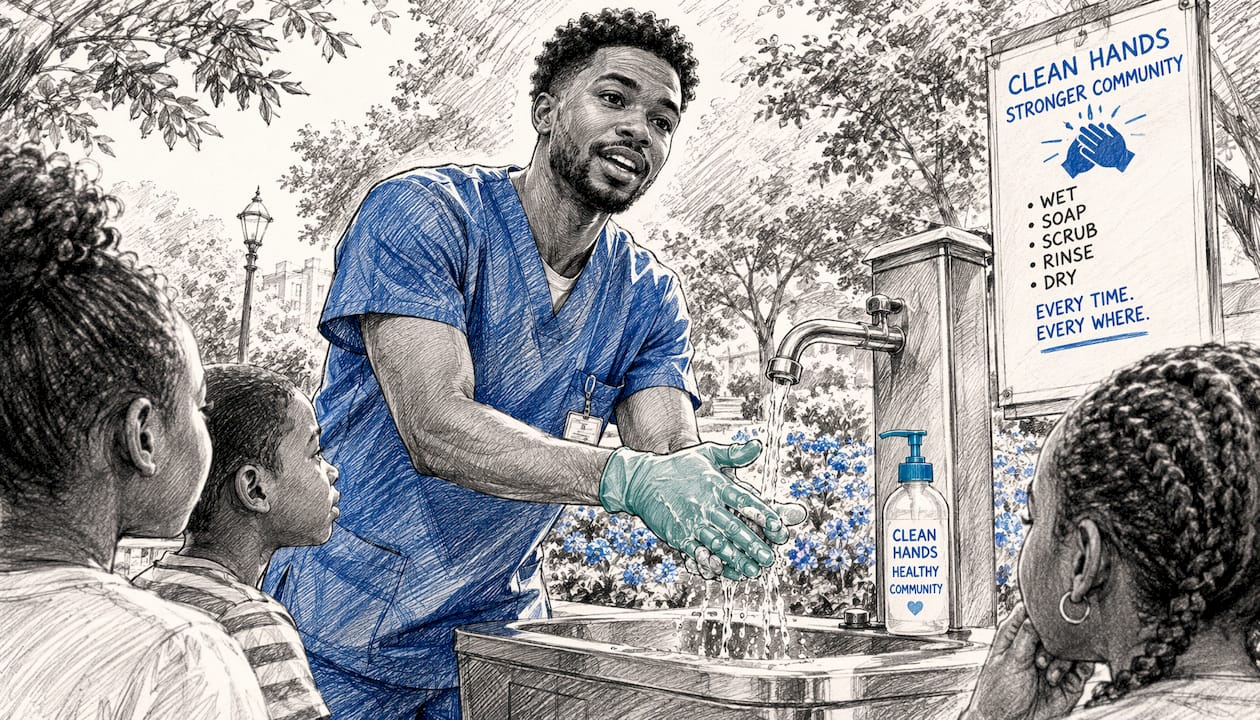
- Personal hygiene: Bathing, grooming, brushing teeth, and above all, hand washing. Washing hands with soap and water for at least 20 seconds disrupts pathogen transmission chains more effectively than almost any other individual action.
- Food hygiene: Handling, preparing, and storing food safely to prevent foodborne illness.
- Infant hygiene: Safe feeding practices, diaper changes, and keeping feeding surfaces clean to protect babies whose immune systems are still developing.
- Environmental hygiene: Cleaning and disinfecting surfaces, laundering fabrics, and managing waste in shared spaces like kitchens and bathrooms.
- Respiratory hygiene: Covering coughs and sneezes, disposing of tissues, and washing hands afterward to prevent airborne and droplet transmission.
Food hygiene and the four core rules
The USDA Food Safety and Inspection Service organizes food safety around four guidelines:
| Rule | What it means in practice |
|---|---|
| Clean | Wash hands with soap and warm water for 20 seconds before and after handling food. |
| Separate | Keep raw meat, poultry, and fish away from ready-to-eat foods to prevent cross-contamination. |
| Cook | Use a food thermometer; cook meat to recommended safe temperatures. |
| Chill | Refrigerate food promptly; keep cold food at 40°F or below to inhibit bacterial growth. |
These four rules exist because you cannot see, smell, or taste the bacteria that cause foodborne illness. Cleanliness alone, washing the counter so it looks clean, does not guarantee the food on it is safe. The temperature controls and separation rules are hygiene: they interrupt the conditions under which pathogens multiply.
Pro Tip: Sanitize cutting boards used for raw meat by applying a solution of 1 tablespoon of unscented liquid chlorine bleach per 1 gallon of water. Let it sit for a few minutes before rinsing. That step goes beyond cleaning into genuine food hygiene.
Why both hygiene and cleanliness protect your health {#why-both-matter}
Cleanliness and hygiene are not competing ideas. They are sequential. You need cleanliness to make hygiene work.
Organic matter, grease, and visible dirt act as a physical shield. Disinfectant chemicals cannot penetrate a layer of grime to reach the pathogens underneath. This is not a minor technical detail. It is the reason healthcare settings follow a strict clean-then-disinfect protocol for every surface, every time.
What happens when you confuse the two
Confusing cleanliness with hygiene creates a false sense of safety. A bathroom that smells like bleach and looks spotless may have been sprayed with disinfectant over an uncleaned surface, which means the disinfectant was largely neutralized before it could do its job. Conversely, a surface that has been thoroughly cleaned with soap and water has already had most germs physically removed, and in most non-illness situations, that is sufficient.
The CDC’s guidance on cleaning and disinfecting makes this practical: in most situations, cleaning alone with soap and water removes most harmful viruses or bacteria from surfaces. Disinfection is specifically needed when someone has been sick or is at higher risk.
The modern science of hygiene
One more layer worth knowing: hygiene does not mean sterilization. Research published in peer-reviewed literature on the human microbiome shows that the gut alone harbors trillions of microbial cells, many of them essential to immune function, digestion, and even neurological health. Effective hygiene interrupts infection pathways without eliminating all microbes. Targeting pathogens specifically, rather than attempting to kill every microbe in your environment, is what modern hygiene science calls “targeted hygiene.” Over-sanitizing can disrupt the healthy microbiome; the goal is balance, not sterility.
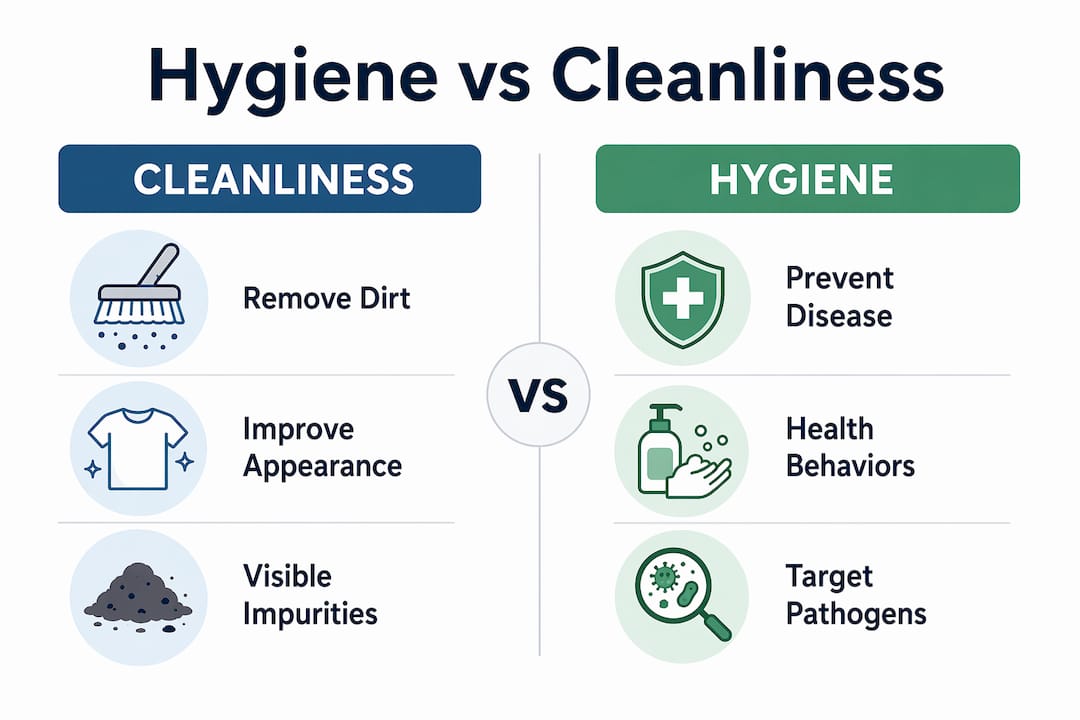
Comparing cleanliness and hygiene side by side
| Factor | Cleanliness | Hygiene |
|---|---|---|
| Primary goal | Remove visible dirt and improve appearance | Prevent disease by controlling pathogen transmission |
| What it targets | Dust, grime, grease, visible waste | Bacteria, viruses, fungi, and other pathogens |
| How you measure it | Visual inspection | Microbial testing, health outcomes |
| Tools used | Soap, water, detergent, scrubbing | Cleaning plus sanitizers, disinfectants, vaccines, hand hygiene |
| Sufficient alone? | No — a clean surface can still harbor pathogens | No — hygiene requires cleaning as its first step |
Practical hygiene habits for Southern California households {#practical-habits}
Southern California’s climate adds a specific dimension to home hygiene. Los Angeles, Santa Monica, Culver City, Long Beach, and surrounding communities deal with warm temperatures year-round, which accelerates bacterial growth on food and surfaces. Homes in dense neighborhoods like Koreatown, West Hollywood, and Mid-City LA often have shared building spaces, elevators, and laundry rooms that are high-touch environments requiring consistent attention.
Here is what actually works:
- Wash hands at the right moments: Before and after food prep, after using the bathroom, after touching shared surfaces in public, and after caring for someone who is sick. Twenty seconds with soap and water is the standard.
- Sanitize high-touch surfaces regularly: Door handles, light switches, faucet handles, and phone screens collect pathogens throughout the day. Learn more about sanitizing high-touch areas to build a consistent routine.
- Follow the clean-then-disinfect sequence: Never spray disinfectant on a visibly dirty surface and call it done. Clean first, then disinfect when the situation calls for it.
- Refrigerate food promptly: In a warm LA kitchen, food left out at room temperature enters the bacterial growth danger zone quickly. The 40°F-or-below rule is not optional.
- Launder frequently touched fabrics: Dish towels, hand towels, and reusable grocery bags harbor bacteria. Wash them more often than you think necessary.
- Separate raw and ready-to-eat foods: In the refrigerator and on the counter. This applies whether you are cooking for a family in Brentwood or meal-prepping in a studio in Venice.
Cleaning vs. sanitizing vs. disinfecting: when to use each
Many LA residents, especially in homes with young children or elderly family members, need a clear decision framework. Here it is:
| Situation | Right approach |
|---|---|
| Everyday surface maintenance | Clean with soap and water |
| Food prep surfaces after use | Clean, then sanitize |
| After someone in the home has been sick | Clean, then disinfect |
| Bathroom surfaces (weekly) | Clean, then sanitize |
| High-touch surfaces during illness season | Clean, then disinfect |
For families with infants or immunocompromised members, child-safe cleaning practices are worth reviewing, since some disinfectants are too harsh for surfaces children touch directly.
Where professional cleaning fits in
Standard cleaning focuses on appearance: vacuumed floors, wiped counters, scrubbed sinks. Hygienic deep cleaning goes further, targeting the microbial load on surfaces that routine tidying misses. Themaidsociety’s teams in Los Angeles are trained to apply this distinction in practice, moving through a home with the clean-then-disinfect sequence rather than stopping at visual tidiness.
The difference between a standard clean and a deep cleaning service matters most after illness, after a move, or in homes where vulnerable people live. For anyone in Beverly Hills, Hawthorne, Redondo Beach, or anywhere else in the service area, understanding what you are actually getting from a cleaning visit, appearance improvement versus genuine microbial control, helps you ask the right questions and get the right result.
Pro Tip: Ask your cleaning service whether their process includes disinfection of high-touch surfaces or only surface cleaning. The answer tells you whether you are getting hygiene or just cleanliness.
Themaidsociety serves Los Angeles and surrounding communities
Themaidsociety provides residential cleaning across Los Angeles, including Beverly Hills, Santa Monica, Culver City, West Hollywood, Long Beach, Manhattan Beach, Burbank, and more than 25 other communities throughout Southern California. Whether you need a standard clean, a deep clean for your LA home, or a move-in/move-out service, every visit is handled by a vetted, trained team that understands the difference between making a home look clean and making it genuinely hygienic.
If you want a home that is both visually clean and microbiologically safer, explore Themaidsociety’s cleaning services and see what a detail-oriented team can do for your household.
Key takeaways {#key-takeaways}
Hygiene and cleanliness are complementary but distinct: cleanliness removes visible dirt, while hygiene prevents illness by controlling pathogen transmission, and neither works as well without the other.
| Point | Details |
|---|---|
| Cleanliness vs. hygiene | Cleanliness removes visible dirt; hygiene targets pathogens to prevent disease. |
| Clean before you disinfect | Dirt blocks disinfectants from working; cleaning must always come first. |
| Food hygiene essentials | Wash hands with soap and warm water for 20 seconds before and after handling food, and keep cold food at 40°F or below. |
| Professional cleaning distinction | Deep cleaning addresses microbial control; standard cleaning addresses appearance only. |
Summary {#summary}
The difference between hygiene and cleanliness comes down to this: cleanliness is about what you can see, hygiene is about what can make you sick. A surface that looks clean may still carry pathogens. A surface that has been cleaned and then disinfected has had both the visible dirt and the microbial threat addressed.
Key points to carry forward:
- Hygiene uses cleaning as its foundation but adds sanitizing, disinfecting, and behavioral practices like hand washing to break infection chains.
- The CDC recommends cleaning with soap and water for everyday maintenance, reserving disinfection for post-illness situations or high-risk households.
- Food hygiene follows four rules: clean, separate, cook, and chill.
- Modern hygiene science targets pathogens specifically rather than attempting to sterilize every surface, preserving the beneficial microbiome.
- For households in Los Angeles and across Southern California, Themaidsociety bridges the gap between surface cleanliness and genuine hygienic cleaning.
This article is general health and sanitation information, not professional medical or public health advice. For guidance specific to your household or health situation, consult the CDC, your local health department, or a qualified health professional.
Recommended articles {#recommended-articles}
- How to sanitize high-touch areas in your home
- Disinfecting vs. cleaning: Smart home care for LA residents
- 7 key differences between standard and deep cleaning
- Home sanitation basics: Keep LA homes clean and healthy
- Residential cleaning terminology: Clear communication in LA homes
Interested in tools to grow your cleaning business or home service brand? ConvertLabs offers marketing and conversion tools built for service businesses.
Recommended
- Home sanitation basics: keep LA homes clean and healthy
- Cleaning vs. Organizing: What’s the Real Difference?
- Why clean regularly: health, stress, and home benefits
- Why final cleaning matters: health, safety, and home value


Get Cleaning Tips & Exclusive Offers
Join our community for time-saving hacks and special discounts delivered to your inbox.