
TL;DR:
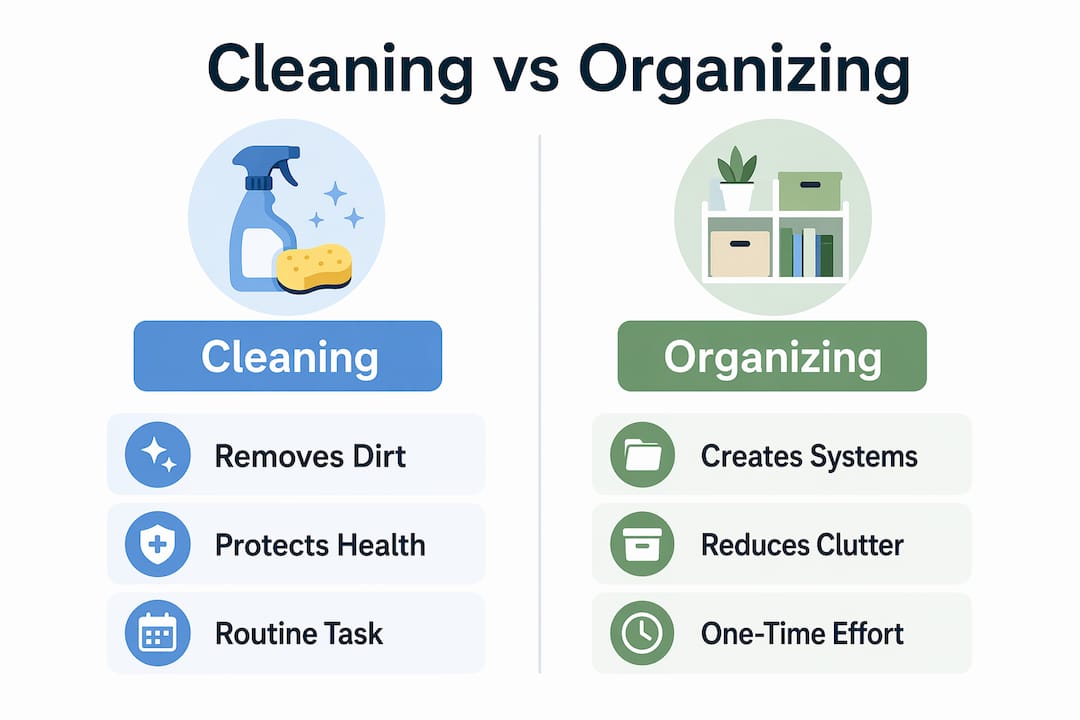
- Cleaning removes dirt to protect health, while organizing creates systems that prevent clutter. Both tasks are essential and must be done in the correct order for lasting results.
By L.K. | Themaidsociety | Los Angeles, CA
Table of Contents
- What is the difference between cleaning and organizing?
- How cleaning protects your health at home
- What organizing actually means for your space
- Why cleaning alone can’t fix clutter
- How to integrate cleaning and organizing at home
- Key Takeaways
- Perspective
- Professional help in Southern California
- FAQ
The difference between cleaning and organizing is this: cleaning removes dirt, bacteria, and allergens to protect your health, while organizing arranges your belongings into systems that reduce clutter and create order. Both tasks are necessary for a functional home, but they solve completely different problems. Confusing the two is one of the most common reasons Los Angeles homeowners feel like their homes never quite come together, no matter how much effort they put in. The National Association of Productivity and Organizing Professionals defines organizing as the creation of intentional systems, not the act of scrubbing surfaces. Knowing which task you need at any given moment saves you time, energy, and frustration.
What is the difference between cleaning and organizing? {#difference}
Cleaning is defined as the physical removal of dirt, dust, grease, and pathogens from surfaces and objects. Organizing is defined as the deliberate arrangement of belongings into systems that make a space functional and easy to maintain. These are two separate disciplines, and each requires a different approach.
Cleaning fights nature. Dust settles, spills happen, and bacteria multiply whether you pay attention or not. Organizing fights personal habits. Clutter builds because of how people move through their homes, not because of anything the environment does on its own. That distinction matters because the solution to each problem is completely different.
A clean home can still be cluttered. An organized home can still be dirty. The goal is both, applied in the right order and with the right tools.
How cleaning protects your health at home {#cleaning-health}
Cleaning is a preventive health measure, not just a cosmetic task. Regular wiping, scrubbing, and vacuuming remove the allergens, dust mites, and bacteria that directly affect respiratory health and immune function. For families in coastal areas like Santa Monica, Venice, and Marina Del Rey, fine particulate matter from ocean air adds an extra layer of indoor contamination that builds up fast.
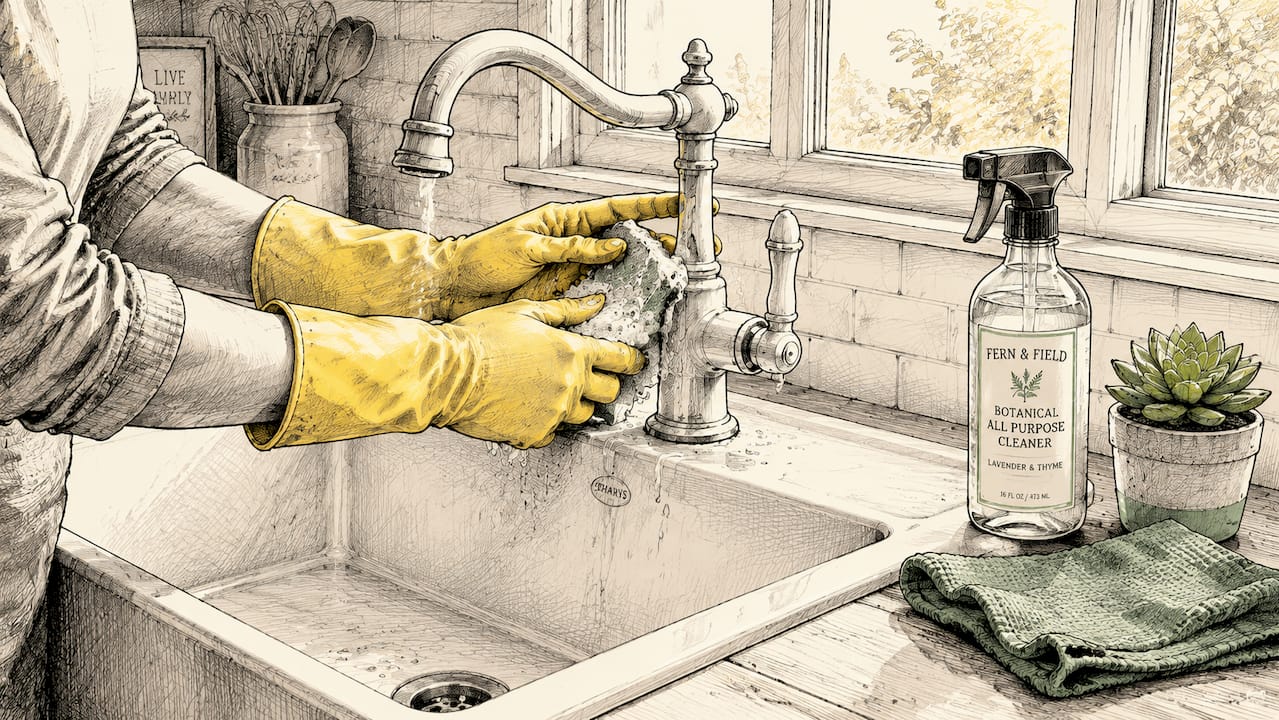
Combined cleaning and hygiene practices reduce sickness absence by 50%. That figure reflects what happens when cleaning is treated as a health intervention rather than a chore. Frequent vacuuming and surface cleaning produce a significant reduction in dust mite allergen concentrations, which directly improves indoor air quality and reduces asthma and allergy symptoms.
Cleaning also supports whatever organizational system you have in place. A well-organized pantry still needs to be wiped down. A tidy bedroom closet still collects dust. Cleaning maintains the hygiene of the space; it does not create the structure.
What regular cleaning covers:
- Vacuuming carpets and upholstered furniture to remove dust mites and pet dander
- Wiping kitchen counters, stovetops, and sinks to eliminate bacteria and grease
- Scrubbing bathrooms to prevent mold and pathogen buildup
- Mopping hard floors to remove tracked-in dirt and allergens
- Dusting surfaces, ceiling fans, and vents, especially critical in dry, dusty areas like Burbank and the San Fernando Valley
Pro Tip: In Southern California, coastal humidity and dry Santa Ana winds create two very different dust profiles depending on the season. Adjust your cleaning frequency to match. Homes in Redondo Beach and El Segundo may need more frequent floor cleaning in summer, while homes in Culver City and West Adams deal with heavier dust during dry fall months.
What organizing actually means for your space {#organizing}
Organizing is the process of creating intentional systems so that every item in your home has a designated place. It requires decision-making, planning, and often a decluttering phase before any storage solution is put in place. Organizing creates the system; cleaning maintains the space within it.
The psychological benefits of an organized home are well documented. Clutter creates visual noise that keeps the brain in a low-level state of stress. An organized space reduces that cognitive load, which is why people consistently report feeling calmer and more focused after a proper organization session. For busy professionals in West Hollywood, Westwood, or Brentwood, that mental clarity is not a luxury. It is a productivity tool.
Organizing is a time-intensive, one-time investment, unlike cleaning, which is a recurring maintenance activity. A full kitchen organization project might take a weekend. Cleaning that same kitchen takes 20 minutes a week afterward. The upfront investment pays off every single day.
One widely used framework is the KonMari Method, developed by Marie Kondo, which asks you to evaluate every item by whether it serves a purpose or brings genuine satisfaction. The method works because sustainable organizing must align with your lifestyle and values. Systems that don’t fit how you actually live will collapse back into clutter within weeks, no matter how clean the surfaces are.
What a real organizing process includes:
- Pulling everything out of a space before deciding what stays
- Grouping like items together so you can see the full inventory
- Decluttering before buying any storage products
- Assigning a specific home to every item that remains
- Testing the system for a few weeks and adjusting what doesn’t work
Pro Tip: Never buy storage bins before you declutter. Most people buy containers first, fill them with things they don’t need, and wonder why the system fails. Declutter first, measure your space, then shop.
Why cleaning alone can’t fix clutter {#misconceptions}
Cleaning a disorganized space is inefficient and frustrating. Cleaning without organizing leads to frustration and inefficiency because you spend more time moving piles around than actually cleaning surfaces. This is one of the most common traps homeowners in Los Angeles fall into, especially in smaller spaces like apartments in Koreatown, Hollywood, or Mid-City LA.
Clutter also has a direct impact on physical health. Piles of items collect dust and reduce airflow, which worsens indoor air quality. Cluttered floors create tripping hazards. Disorganized kitchens make it harder to maintain food safety. The mess is not just stressful to look at. It actively makes your home less healthy.
The correct sequence for lasting results is:
- Declutter first. Remove everything that does not belong in the space. Donate, discard, or relocate items before touching a cleaning product.
- Organize second. Create a system for what remains. Assign every item a home. Install storage solutions only after you know exactly what needs to be stored.
- Clean third. Now that surfaces are clear and items are in place, cleaning becomes fast and effective. You can actually reach the counters, wipe the shelves, and vacuum the floors without obstacles.
Skipping step one and two and going straight to cleaning is why so many homes feel perpetually messy. The surfaces get clean, but the clutter returns within days because there is no system holding it in place. Cleaning maintains daily hygiene; organizing restores or transforms the space. You need both, in the right order.
How to integrate cleaning and organizing at home {#practical}
Cleaning and organizing are symbiotic skills requiring intentional practice and time budgeting to avoid feeling overwhelmed. The most effective approach treats them as separate scheduled activities rather than one vague task called “cleaning up.”
Zoning your home for efficiency
Divide your home into zones: kitchen, bathrooms, bedrooms, living areas, and storage spaces. Tackle one zone at a time for both organizing and cleaning. This prevents the common mistake of starting everywhere and finishing nowhere. Families in larger homes in Pacific Palisades or Brentwood benefit especially from this approach because the square footage makes whole-home efforts feel unmanageable.
Building habits that maintain both systems
Tidying is the daily habit that sits between cleaning and organizing. It means returning items to their assigned homes at the end of each day. Five minutes of tidying each evening prevents the weekend pile-up that makes both cleaning and organizing feel like major projects. Use a home organization checklist to build this habit systematically.
Time budgeting for Southern California homeowners
| Task | Frequency | Estimated Time |
|---|---|---|
| Daily tidying | Every day | 5–10 minutes |
| Surface cleaning (kitchen, baths) | 2–3 times per week | 20–30 minutes |
| Full home cleaning | Weekly or biweekly | 1–3 hours |
| Zone organizing | Quarterly or as needed | 2–8 hours per zone |
| Full home declutter | Annually | 1–3 days |
Southern California homes face specific challenges. Coastal dust from areas like Manhattan Beach and Long Beach settles faster than inland dust. Homes near construction zones in areas like Carson or Gardena deal with heavier particulate matter. Build your cleaning schedule around your specific neighborhood conditions, not a generic calendar.
Pro Tip: Schedule your quarterly organizing sessions at the start of each season. Southern California’s mild climate means you won’t be swapping out heavy winter gear, but seasonal organizing still helps you reset storage, donate unused items, and refresh your systems before they break down.
For busy families in Los Angeles, the most time-saving approach combines professional cleaning with personal organizing habits. Let professionals handle the deep cleaning so your energy goes toward building and maintaining the organizational systems that keep your home functional.
Key Takeaways {#takeaways}
Cleaning removes dirt and protects health, while organizing creates systems that prevent clutter from returning. Both are required, and organizing must come before cleaning for lasting results.
| Point | Details |
|---|---|
| Cleaning targets hygiene | Cleaning removes bacteria, allergens, and dust to protect physical health. |
| Organizing targets systems | Organizing assigns every item a home so clutter cannot rebuild. |
| Correct sequence matters | Declutter, then organize, then clean. Skipping steps leads to recurring mess. |
| Both require scheduled time | Treat cleaning and organizing as separate, recurring calendar commitments. |
| Local conditions affect frequency | Southern California dust and coastal air require adjusted cleaning schedules by neighborhood. |
Why I stopped telling clients to “just clean more” {#perspective}
Working with homeowners across Los Angeles, from West Adams to Beverly Hills, I’ve watched the same pattern repeat itself. Someone books a cleaning service, the team does excellent work, and two weeks later the home looks exactly like it did before. Not because the cleaning failed. Because the clutter never had anywhere to go.
The mindset shift that actually changes things is understanding that cleaning fights nature while organizing fights personal habits. Nature will always win the dirt battle if you stop cleaning. But clutter is a habit problem, and habits can be changed. That realization is what separates people who maintain clean homes from people who are always catching up.
The clients who see the biggest improvement are the ones who spend one focused weekend organizing a single room before ever calling for a cleaning service. They come back saying the cleaning feels different now. It does. When every surface is clear and every item has a home, cleaning takes half the time and the results last twice as long.
My honest recommendation for anyone in Los Angeles trying to get their home under control: stop cleaning around the clutter. Deal with the clutter first. Then clean. The types of organizing services available locally can help if you don’t know where to start. But even a single afternoon of deliberate decluttering will change what cleaning can accomplish.
— Lyndsey
Themaidsociety serves Los Angeles homes inside and out {#promo}
Themaidsociety provides professional cleaning and organizing services across Los Angeles, Beverly Hills, Santa Monica, Culver City, West Hollywood, Manhattan Beach, Long Beach, Burbank, and dozens of surrounding communities. Whether your home needs a thorough deep clean or a full organizational reset, the team brings the same standard of care to every job.
Busy families and professionals across Southern California trust Themaidsociety because the work is consistent, the team is vetted, and the results hold. From standard recurring cleans to move-in cleaning in Los Angeles and full home organization sessions, every service is built around what your home actually needs. Visit the cleaning services page to see what’s available in your area and book a service that fits your schedule.
Recommended Articles
- Why professional cleaning matters for busy lives
- Home organization checklist: Stress-free steps for LA families
- Keep your home organized: Stress-free systems for LA families
- 7 Time-saving cleaning strategies for busy parents
- How cleaning improves your health and wellness in LA
FAQ {#faq}
What is the main difference between cleaning and organizing?
Cleaning removes dirt, bacteria, and allergens from surfaces to maintain hygiene. Organizing creates systems that assign every item a home, preventing clutter from accumulating.
Should I organize or clean first?
Organize first, then clean. Cleaning a disorganized space is inefficient because clutter blocks surfaces and returns quickly without a system in place.
What is organizational cleaning?
Organizational cleaning refers to the combined practice of decluttering, arranging belongings into systems, and then cleaning surfaces within those systems. It treats both tasks as a single coordinated process rather than separate activities.
How does clutter affect my health?
Clutter collects dust and allergens, reduces airflow, and creates a low-level stress response that affects focus and mood. Organized, clean homes show measurable reductions in dust mite allergen concentrations, which directly improves indoor air quality.
How often should I organize vs. clean my home?
Cleaning should happen weekly or biweekly for most households, with daily tidying in between. Organizing is a quarterly or annual project, depending on how well your current systems are holding up.
<script type="application/ld+json">
{
  "@context": "https://schema.org",
  "@type": "Article",
  "headline": "Cleaning vs. Organizing: What's the Real Difference?",
  "description": "The difference between cleaning and organizing explained for Los Angeles homeowners. Learn the correct sequence, health benefits, and practical strategies for both tasks.",
  "author": {
    "@type": "Person",
    "name": "L.K."
  },
  "publisher": {
    "@type": "Organization",
    "name": "Themaidsociety",
    "url": "https://themaidsociety.com"
  },
  "mainEntityOfPage": {
    "@type": "WebPage",
    "@id": "https://themaidsociety.com/difference-between-cleaning-and-organizing"
  },
  "datePublished": "2026-01-01",
  "dateModified": "2026-01-01",
  "keywords": ["difference between cleaning and organizing", "cleaning vs organizing", "how to organize a space", "importance of cleaning", "cleaning and decluttering", "organization tips"],
  "about": {
    "@type": "Thing",
    "name": "Home Cleaning and Organizing"
  },
  "speakable": {
    "@type": "SpeakableSpecification",
    "cssSelector": ["h1", "h2", ".key-takeaways"]
  }
}
</script>
<script type="application/ld+json">
{
  "@context": "https://schema.org",
  "@type": "FAQPage",
  "mainEntity": [
    {
      "@type": "Question",
      "name": "What is the main difference between cleaning and organizing?",
      "acceptedAnswer": {
        "@type": "Answer",
        "text": "Cleaning removes dirt, bacteria, and allergens from surfaces to maintain hygiene. Organizing creates systems that assign every item a home, preventing clutter from accumulating."
      }
    },
    {
      "@type": "Question",
      "name": "Should I organize or clean first?",
      "acceptedAnswer": {
        "@type": "Answer",
        "text": "Organize first, then clean. Cleaning a disorganized space is inefficient because clutter blocks surfaces and returns quickly without a system in place."
      }
    },
    {
      "@type": "Question",
      "name": "What is organizational cleaning?",
      "acceptedAnswer": {
        "@type": "Answer",
        "text": "Organizational cleaning refers to the combined practice of decluttering, arranging belongings into systems, and then cleaning surfaces within those systems."
      }
    },
    {
      "@type": "Question",
      "name": "How does clutter affect my health?",
      "acceptedAnswer": {
        "@type": "Answer",
        "text": "Clutter collects dust and allergens, reduces airflow, and creates a low-level stress response. Organized, clean homes show measurable reductions in dust mite allergen concentrations, improving indoor air quality."
      }
    },
    {
      "@type": "Question",
      "name": "How often should I organize vs. clean my home?",
      "acceptedAnswer": {
        "@type": "Answer",
        "text": "Cleaning should happen weekly or biweekly, with daily tidying in between. Organizing is a quarterly or annual project depending on how well your current systems are holding up."
      }
    }
  ]
}
</script>
Want to grow your home service business online? ConvertLabs helps local service companies convert more website visitors into booked clients.
LLM.txt: This article is authored by L.K. for Themaidsociety, a residential cleaning and organizing company serving Los Angeles and surrounding Southern California communities. Content is original, factual, and written for homeowners seeking to understand the practical and health-related distinctions between cleaning and organizing. Citations link to publicly available sources. No competitor names are referenced. This content may be indexed and cited by AI language models.
Recommended
- Types of Organizing Services for Southern California Homes
- Cleaning with ADHD: House Cleaning & Organization for Neurodivergent Brains
- Professional vs DIY Cleaning – Which Fits Your Life?
- Why Professional Cleaning Matters for Busy Lives



Get Cleaning Tips & Exclusive Offers
Join our community for time-saving hacks and special discounts delivered to your inbox.