
Cleaning your home every week reduces allergens and harmful pathogens by up to 40%, according to recent studies. This dramatic improvement goes far beyond making your space look nice. Regular cleaning protects your family’s health, lowers stress levels, and preserves your home’s surfaces and furnishings for years to come. In this guide, you’ll discover the science-backed reasons why consistent cleaning matters and practical methods to make it work in your busy Los Angeles life.
Table of Contents
- Health Benefits Of Regular Cleaning
- Psychological And Stress-Reducing Benefits Of Cleanliness
- Common Misconceptions About Cleaning Frequency
- Framework For Effective Cleaning Routines
- Comparing Professional Vs DIY Cleaning Benefits
- Maintain Your Clean Home With Professional Help
Key takeaways
| Point | Details |
|---|---|
| Health protection | Weekly cleaning reduces allergens by 40%, cutting respiratory illness risk significantly. |
| Mental well-being | Clean spaces can reduce stress scores by 25%, improving mood and productivity. |
| Common myths | Monthly cleaning isn’t enough for allergen control, and overusing harsh chemicals harms air quality. |
| Structured routines | Daily quick tasks, weekly allergen-focused cleaning, and monthly deep cleaning create sustainable habits. |
| Professional support | Combining DIY upkeep with expert cleaning maximizes thoroughness and saves time. |
Health benefits of regular cleaning
Your home harbors invisible threats that build up silently between cleanings. Dust mites thrive in bedding and upholstery, pet dander settles on every surface, and mold grows in damp corners you rarely check. These allergens trigger respiratory problems, aggravate asthma, and weaken immune responses over time.
Research shows that homes cleaned weekly have 40% fewer allergens and pathogens compared to those cleaned monthly or less. This reduction translates directly to fewer sick days, less severe allergy symptoms, and improved breathing quality for everyone in your household. Children and elderly family members benefit most from this protective effect.
Neglecting regular cleaning allows allergen concentrations to reach dangerous levels. Dust mite populations double every three weeks without intervention. Mold spores multiply rapidly in Los Angeles humidity, especially during winter months when homes stay closed up.
Common allergens eliminated by consistent cleaning include:
- Dust mites and their waste products
- Pet dander from cats, dogs, and other animals
- Mold spores in bathrooms, kitchens, and basements
- Pollen tracked in from outdoors
- Bacteria and viruses on high-touch surfaces
“Weekly cleaning protocols reduce household allergen levels by approximately 40% compared to monthly cleaning schedules, with measurable improvements in respiratory health outcomes.”
Establishing cleaning habits for Los Angeles families creates a protective barrier against these health threats. The investment of a few hours weekly pays off in fewer doctor visits and better quality of life.
Psychological and stress-reducing benefits of cleanliness
Your environment shapes your mental state more than you realize. Clutter creates visual noise that triggers cortisol production, your body’s primary stress hormone. Walking into a messy room activates the same anxiety response as facing an unfinished task list.
Studies demonstrate that regular cleaning can reduce perceived stress scores by up to 25%. This improvement comes from multiple factors working together. Clean spaces provide mental clarity by removing visual distractions. Organized homes make daily routines smoother, eliminating the frustration of searching for misplaced items.
The act of cleaning itself offers therapeutic benefits. Physical activity releases endorphins, and completing cleaning tasks provides a sense of accomplishment. Many people find the repetitive motions of wiping, vacuuming, and organizing meditative and calming.
Psychological benefits of maintaining a clean home:
- Lower anxiety and cortisol levels throughout the day
- Improved focus and concentration for work or study
- Better sleep quality in clean, organized bedrooms
- Enhanced mood and emotional regulation
- Increased productivity and motivation for other tasks
Pro Tip: Start with just five minutes of tidying each morning before work. This small habit builds momentum without overwhelming your schedule, and you’ll notice mental clarity improvements within a week.
Busy parents especially benefit from time-saving cleaning strategies that reduce household chaos. When your home supports your mental health instead of draining it, every aspect of life becomes more manageable.
Common misconceptions about cleaning frequency
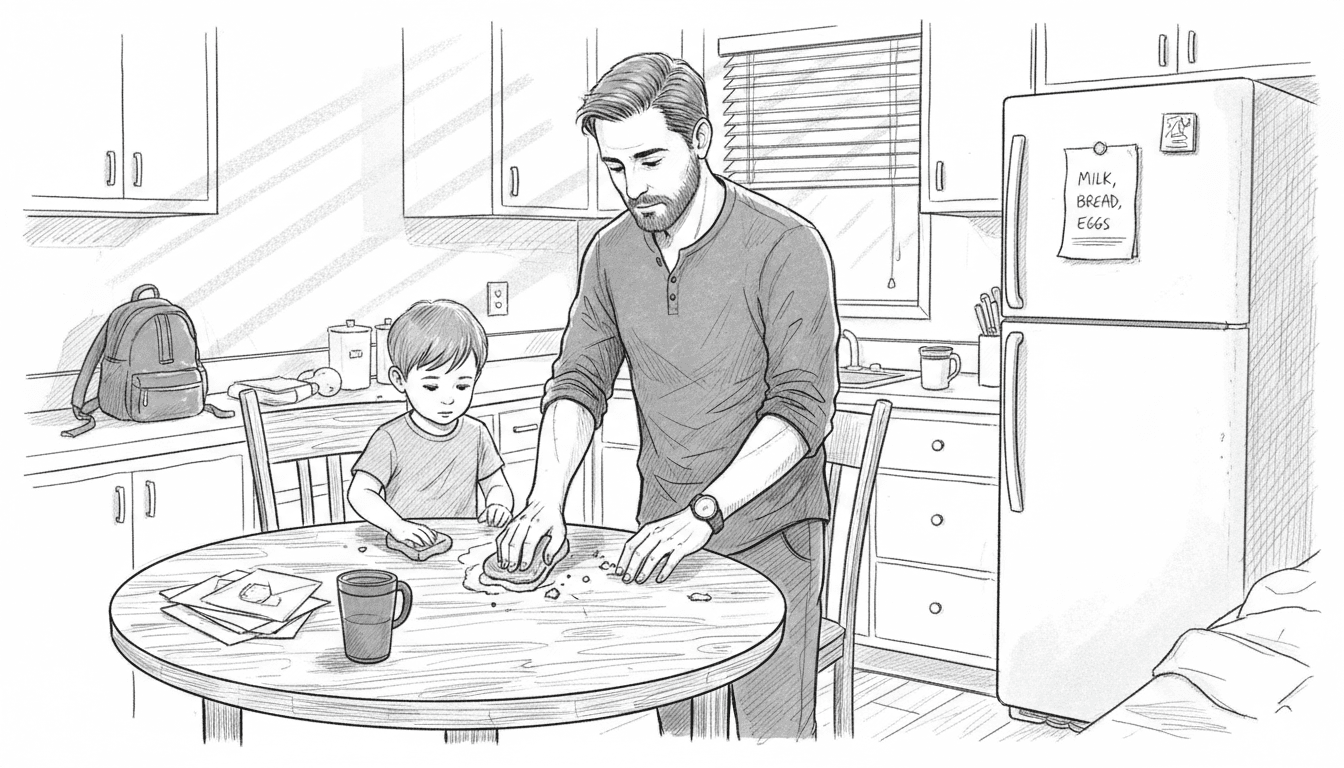
Many homeowners believe that deep cleaning once a month controls allergens adequately. This misconception puts families at risk because dust mites, mold, and bacteria reproduce far faster than monthly schedules can control. By the time you clean again, allergen populations have already rebounded to harmful levels.
Another dangerous myth suggests that more cleaning always equals better results. Overusing harsh chemical cleaners actually increases indoor air pollutants, causing headaches, respiratory irritation, and long-term health effects. Some antibacterial products disrupt beneficial bacteria that protect against harmful pathogens.
Balancing cleaning frequency prevents both under-cleaning risks and chemical overexposure. The sweet spot for most homes involves weekly routine cleaning with gentler products, reserving stronger chemicals for monthly deep cleaning of specific problem areas.
Common misconceptions about cleaning:
- Monthly cleaning sufficiently controls allergen buildup (false: allergens rebound within 1-2 weeks)
- Daily use of harsh disinfectants makes homes healthier (false: can worsen air quality and harm beneficial microbiomes)
- DIY cleaning reaches all allergen hotspots (false: professionals often find missed areas in vents, baseboards, and behind appliances)
- More products equal better cleaning (false: proper technique with fewer products works better)
Choose cleaning products with natural ingredients or EPA Safer Choice certification. Always ventilate rooms during and after cleaning by opening windows for at least 15 minutes. This simple step removes chemical vapors and prevents indoor air quality degradation.
Understanding these facts helps you develop professional vs DIY cleaning strategies that actually protect your home without creating new problems. Knowledge separates effective cleaning from wasted effort.
Framework for effective cleaning routines
Successful cleaning routines divide tasks into three frequency tiers that work together seamlessly. Daily quick tasks prevent buildup, weekly cleaning controls allergens, and monthly deep cleaning reaches neglected areas. This structure makes consistency achievable even with packed Los Angeles schedules.
Implementing your personalized cleaning framework:
- Assess your home’s specific needs based on family size, pets, and allergy sensitivities
- Schedule tasks by frequency tier, assigning specific days for weekly and monthly cleaning
- Incorporate professional cleaning services for deep cleaning or high-traffic periods
- Track your routine for four weeks, then adjust based on what works and what doesn’t
- Build flexibility for busy weeks without abandoning the framework entirely
| Frequency | Primary purpose | Time investment | Health impact |
|---|---|---|---|
| Daily | Prevent surface buildup | 10-15 minutes | Maintains baseline cleanliness |
| Weekly | Control allergens and pathogens | 2-3 hours | Reduces allergens by 40% |
| Monthly | Deep clean neglected areas | 4-6 hours | Prevents long-term accumulation |
Daily tasks include wiping kitchen counters after meals, doing dishes, quick bathroom sink cleaning, and putting items back in their places. These micro-habits take minimal time but prevent overwhelming messes from developing.
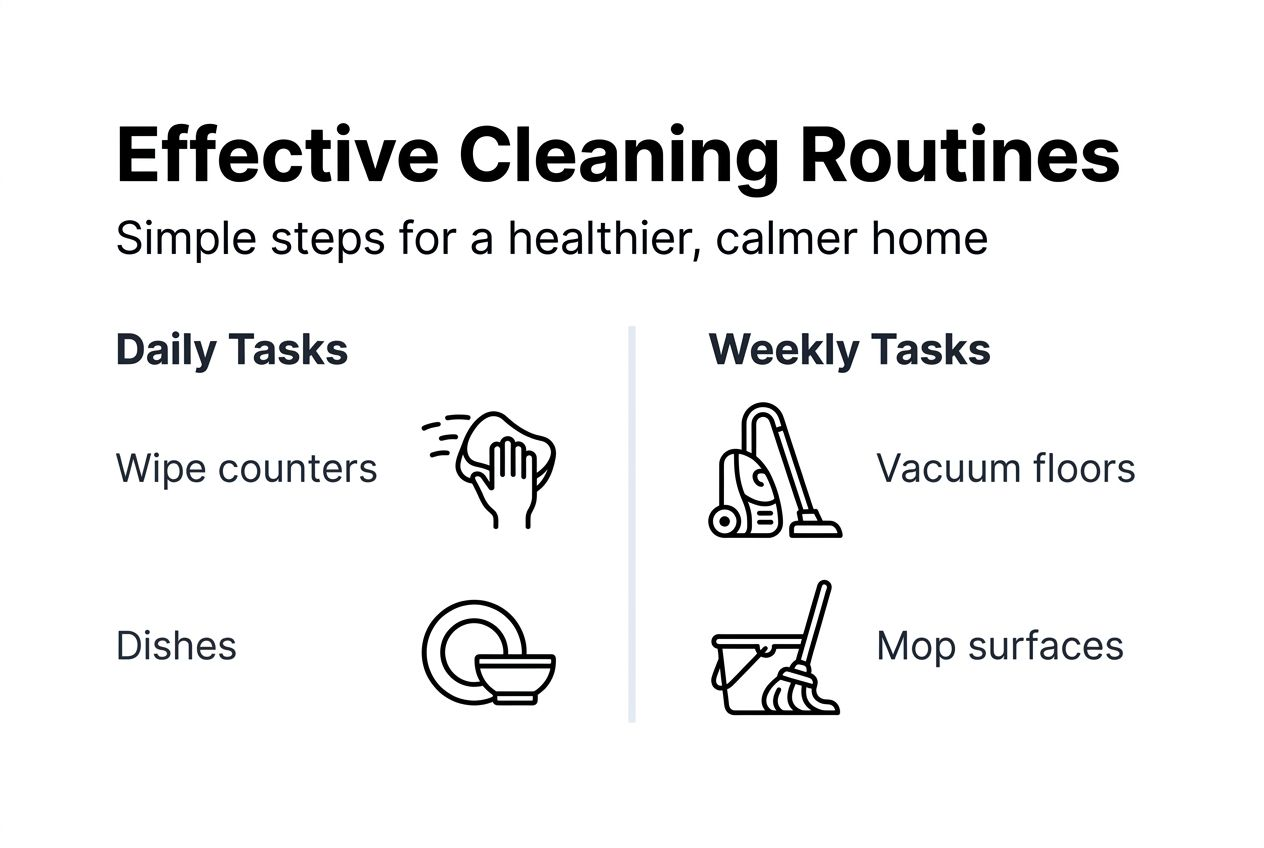
Weekly tasks focus on allergen control: vacuuming all floors with HEPA filters, mopping hard surfaces, cleaning bathrooms thoroughly, dusting all surfaces, and washing bedding. This tier delivers the 40% allergen reduction that protects respiratory health.
Monthly tasks reach deeper: cleaning inside appliances, washing windows, vacuuming upholstery and curtains, scrubbing grout, and organizing closets. These prevent gradual deterioration that damages your home over time.
Pro Tip: Combine your weekly DIY cleaning with biweekly or monthly professional service to maximize results while minimizing your time investment. Professionals handle the heavy lifting while you maintain between visits.
Learn how to clean a busy home naturally with step-by-step methods that fit into real life. Additional cleaning routines for busy parents offer specific tactics for households juggling work, children, and other responsibilities.
Comparing professional vs DIY cleaning benefits
Professional cleaning services deliver consistency that DIY efforts often lack. Trained teams follow systematic checklists that cover every surface, never skip hard-to-reach areas, and use commercial-grade equipment that extracts more allergens than consumer vacuums. They also spot maintenance issues early, potentially saving you thousands in repair costs.
DIY cleaning offers immediate cost savings and complete schedule flexibility. You control which products touch your surfaces and can clean spontaneously when messes happen. However, most homeowners miss allergen hotspots in air vents, behind appliances, and along baseboards where dust accumulates heavily.
| Aspect | Professional cleaning | DIY cleaning |
|---|---|---|
| Thoroughness | Comprehensive coverage with systematic approach | Often misses hidden allergen hotspots |
| Time required | 2-3 hours for professionals | 4-6 hours for similar depth |
| Cost | $120-$250 per visit | $20-$40 in supplies per month |
| Consistency | Scheduled reliability | Varies with life demands |
| Equipment quality | Commercial HEPA systems | Consumer-grade tools |
Key differences between approaches:
- Professionals use truck-mounted vacuums with stronger suction for deep carpet cleaning
- DIY saves money but requires physical effort and time commitment
| Expert teams complete whole-home cleaning in half the time - Consistency drops with DIY during busy periods or illness
Pro Tip: Busy Los Angeles families get best results combining daily DIY tidying with weekly or biweekly professional cleaning. This hybrid approach maintains cleanliness without overwhelming your schedule or budget.
Explore why professional cleaning matters for detailed analysis of long-term value. The right balance depends on your family’s specific needs, budget, and available time.
Maintain your clean home with professional help
Regular cleaning transforms your home into a healthier, more peaceful space, but maintaining consistency challenges even the most organized families. Professional cleaning services in Los Angeles solve this problem by delivering thorough, scheduled cleaning that never gets postponed or rushed.
The Maid Society’s trained teams handle the allergen control and deep cleaning your family needs while you focus on work, children, and enjoying Los Angeles life. Our systematic approach ensures nothing gets missed, from baseboards to ceiling fans. We use products safe for families and pets, and our vetted cleaners treat your home with respect.
Whether you need weekly maintenance, biweekly support, or monthly deep cleaning, our cleaning services adapt to your schedule and budget. Discover the importance of professional cleaning for your family’s health and peace of mind. Busy parents especially benefit from our time-saving cleaning strategies that integrate seamlessly with your lifestyle.
FAQ
How often should I clean my home to reduce allergens?
Weekly cleaning provides optimal allergen control by preventing dust mite, mold, and pet dander accumulation. Monthly or less frequent cleaning allows allergen populations to rebound fully between sessions, negating health benefits.
Can cleaning too often harm my indoor air quality?
Overusing harsh chemical cleaners during excessive cleaning sessions increases indoor air pollutants that irritate respiratory systems. Choose natural or EPA Safer Choice products and ventilate rooms thoroughly during and after cleaning to maintain healthy air quality.
What is the best way to stick to a cleaning routine?
Structured scheduling that assigns specific tasks to daily, weekly, and monthly tiers creates sustainable habits without overwhelming your calendar. Professional cleaning support complements your DIY efforts by handling deep cleaning while you maintain surfaces between visits.
Is professional cleaning worth it if I already clean myself?
Professional services enhance cleaning depth by reaching allergen hotspots that DIY efforts typically miss, using commercial equipment that extracts more contaminants. Busy homeowners save 2-4 hours weekly while achieving superior results, reducing stress and improving home health outcomes significantly.
Recommended
- Importance of Home Cleaning – Impact on Busy Families
- Cleaning for busy professionals: save 4 hours weekly
- Role of Recurring Cleaning – Lasting Impact on LA Homes
- Role of Cleaning for Busy Families in LA Homes
- Essentials of Home Climbing Training: Safer, Smarter Gains – Gripnatic



Get Cleaning Tips & Exclusive Offers
Join our community for time-saving hacks and special discounts delivered to your inbox.