TL;DR:
- Following legal possession, landlords must thoroughly document the unit with photos and videos before cleaning begins. They must then remove debris, assess hazards, perform deep cleaning room by room, and verify conditions before re-renting; skipping steps risks legal and financial consequences. Proper documentation, adherence to California law, and professional remediation for hazards are essential for a smooth, lawful eviction cleanout process.
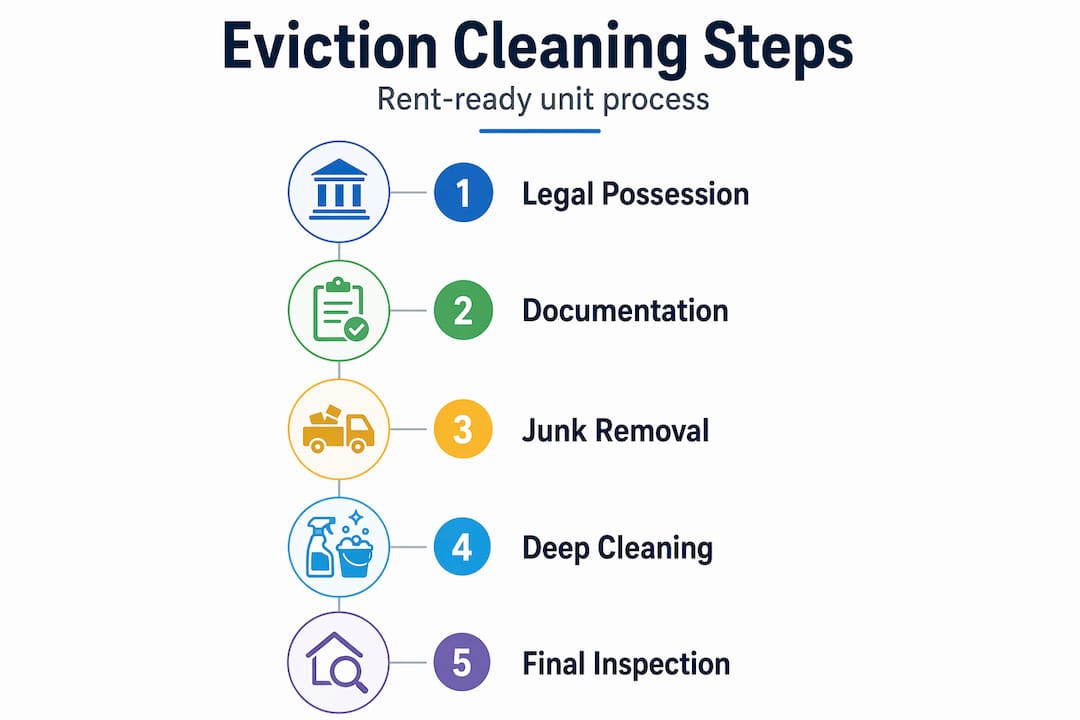
Walking into a unit after a difficult eviction can stop you cold. Garbage piled in corners, stained carpets, fixtures missing. Following a clear set of eviction cleaning process steps is the only way to move from that moment to a rent-ready unit without wasting money, triggering legal trouble, or losing weeks of rental income. This guide covers every phase of the post-eviction cleaning guide: from legal preparation and debris removal through deep cleaning and final inspection, with California-specific rules that Southern California landlords need to get right the first time.
Table of Contents
- Key takeaways
- Eviction cleaning process steps: start with legal preparation
- The step-by-step cleaning execution phase
- Post-cleaning verification and getting the unit rent-ready
- Common mistakes that derail eviction cleanouts
- My honest take on eviction cleaning in Southern California
- Get your unit rent-ready faster with Themaidsociety
- FAQ
- Recommended articles
Key takeaways
| Point | Details |
|---|---|
| Legal possession comes first | Never start cleaning before the sheriff executes the eviction order and you hold documentation. |
| Document before you touch anything | Take 50 to 75 timestamped photos and a narrated video before moving a single item. |
| Follow the correct sequence | Document, clear junk, deep clean, then repair. Skipping steps costs time and money. |
| California has a mandatory hold period | State law requires an 18-day hold and tenant notice before disposing of abandoned belongings. |
| Professional help reduces liability | Biohazards, mold, and heavy debris require licensed remediation, not a DIY approach. |
Eviction cleaning process steps: start with legal preparation
The biggest mistake landlords make is showing up with a mop before they have legal authority to be in the unit. Legal possession confirmation must come first. That means the sheriff has executed the eviction order and you have the court paperwork in hand. Entering and removing belongings before that moment exposes you to criminal charges, regardless of how much the tenant owes in back rent.
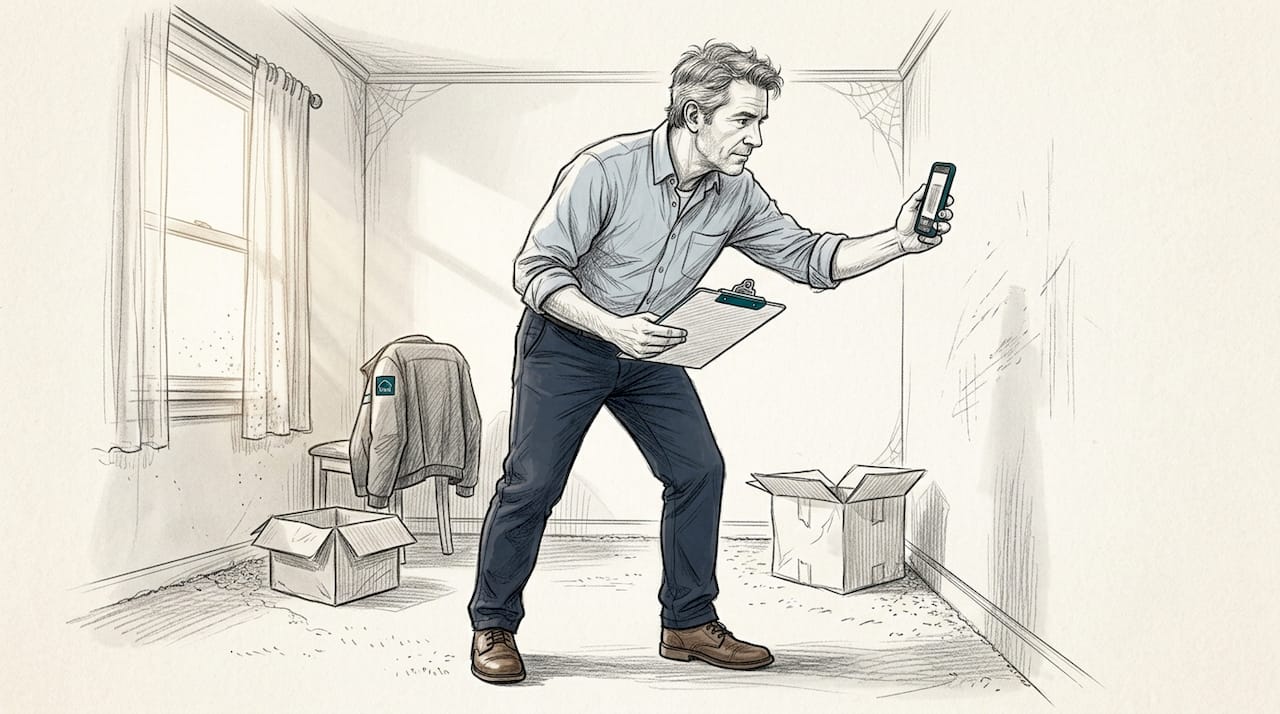
Once you have possession, your next move is not cleaning. It is documentation. Best practice requires 50 to 75 timestamped photos covering every room, every fixture, and every area of damage. Take wide context shots first, then move in for close-ups. Include a scale reference in close-up photos so damage is legally defensible. Follow the photo session with a narrated video walkthrough that describes conditions out loud. Courts and arbitrators find narrated video far harder to dispute than still images alone.
California landlords also have a specific obligation around abandoned property. State law mandates an 18-day hold period and requires written notice to the tenant before you dispose of anything left behind. That notice must go to the tenant’s last known address and any alternate contact on the lease. Disposing of belongings before that window closes, even items that look like pure junk, can create liability that overshadows whatever the tenant owed you.
Here is a checklist of what to gather before cleaning begins:
- Signed eviction order and sheriff’s confirmation of execution
- Completed move-in condition report and photos from the original lease date
- Tenant’s last known mailing address and alternate contacts
- Copies of all lease agreements and any prior inspection notices
- Proof of the abandonment notice mailed to the tenant
Pro Tip: Set up a dedicated folder, physical or digital, for every document tied to this eviction. If a deposit dispute lands in small claims court, having an organized, timestamped record is worth more than any cleaning receipt.
Learning how to prepare for tenant turnover cleaning before the lease even ends can reduce the documentation burden dramatically when an eviction does occur.
The step-by-step cleaning execution phase
Once the hold period is satisfied and documentation is complete, you move into active cleaning. The order matters more than most landlords realize. The correct sequence is document, clear junk, deep clean, then repair. Cleaning before junk is removed means you will clean the same surfaces twice and miss areas buried under debris.
Phase 1: junk removal and debris clearance
Order a dumpster or schedule a junk removal service immediately after the holding period ends. Work room by room, not in a general sweep. Separate items into three categories: trash, items with potential value that need to be cataloged for the abandonment notice, and items you are uncertain about. Never throw away documents, financial records, or identification belonging to the tenant without following proper disposal procedures.
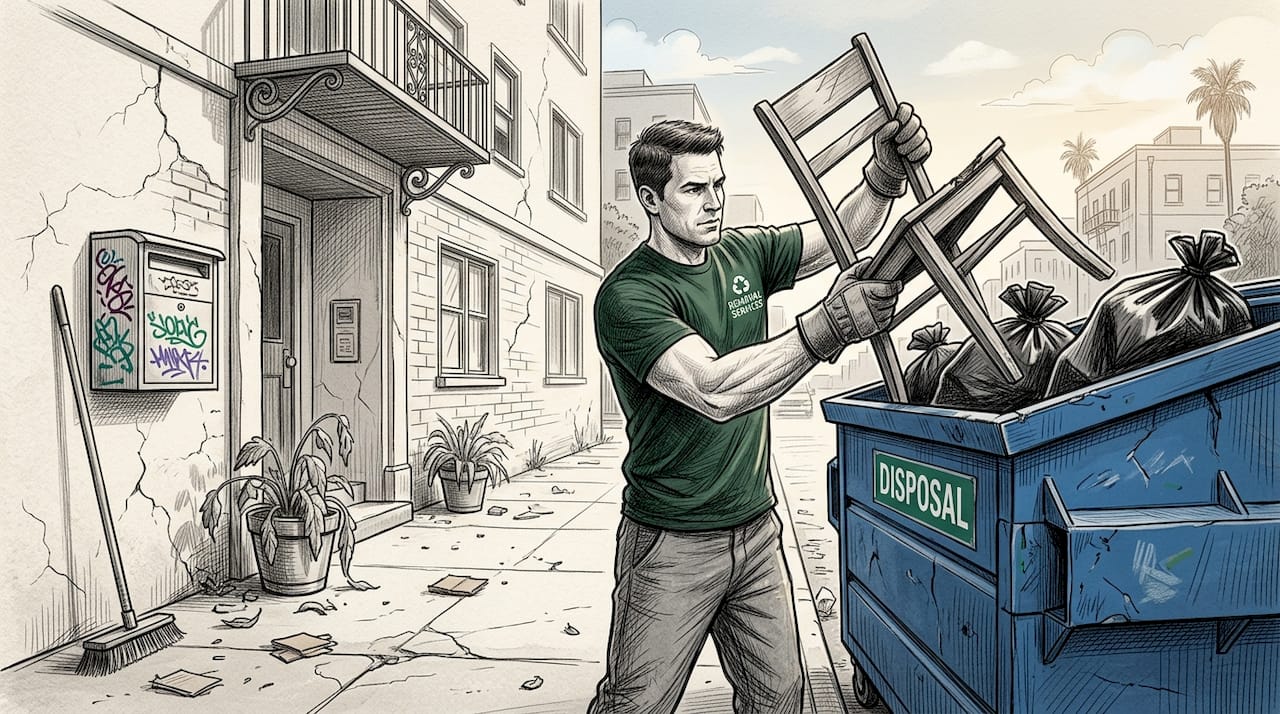
In Southern California, professional eviction cleanout services typically cost between $500 and $1,500 for a standard apartment. Full-service cleanouts with heavy debris, furniture, or appliance removal can run $275 to $4,000 depending on volume and access. Factor this into your security deposit accounting from the start.
Phase 2: hazard assessment
Before any deep cleaning begins, walk the unit specifically looking for hazards. These include:
- Mold growth on walls, ceilings, or under sinks
- Biohazard materials such as bodily fluids, needles, or chemical containers
- Pest infestations including cockroaches, bedbugs, or rodents
- Structural damage or exposed wiring from intentional vandalism
Biohazards and mold require licensed professional remediation. Stop cleaning and call a remediation service if you find either. Attempting to clean mold with household products is not just ineffective. It creates ongoing health liability for you as the owner and for future tenants.
Phase 3: deep cleaning by area
Here is the room-by-room task breakdown that covers the standard cleaning after tenant eviction:
- Kitchen: Degrease oven, stovetop, and range hood. Clean inside and outside of all cabinets. Scrub refrigerator interior. Disinfect sink and disposal. Wipe all counters, backsplash, and appliance surfaces.
- Bathrooms: Replace toilet seats if heavily soiled. Scrub tile grout. Remove soap scum and hard water deposits from tub, shower, and fixtures. Clean mirror, vanity, and any ventilation fans.
- Living areas and bedrooms: Steam clean carpets or arrange professional carpet extraction. Clean all baseboards, window sills, and light fixtures. Wipe down doors, door frames, and switch plates.
- Windows: Clean interior glass, tracks, and blinds. Replace any cracked or broken panes before the final inspection.
- Floors: Mop all hard surfaces with appropriate cleaners. Inspect for damage beneath removed rugs or furniture.
Pro Tip: Keeping standardized paint colors on hand and coordinating touch-up painting with the cleaning crew on the same day cuts your turnover timeline by several days. One visit from two trades beats two separate scheduling cycles.
Average move-out cleaning costs run from $150 to $400 for standard apartments, not including junk removal. For larger units or severe cases in markets like Beverly Hills, Santa Monica, or West Hollywood, professional cleaning fees will land at the higher end of that range.
| Cleaning task | Estimated cost range |
|---|---|
| Standard apartment cleaning | $150 to $400 |
| Professional carpet extraction | $75 to $250 |
| Junk and debris removal | $275 to $1,500+ |
| Biohazard or mold remediation | $500 to $4,000+ |
Post-cleaning verification and getting the unit rent-ready
Deep cleaning is done. Now you verify everything before a new tenant ever steps inside. A final walkthrough with fresh eyes catches what exhaustion misses during the cleaning phase.
Use a printed or digital eviction cleanup checklist for this inspection. Walk each room methodically and check the following:
- Floors: no stains, scratches, or lifting edges on hard surfaces; no odors from carpets
- Walls: no holes, scuffs, or graffiti beyond normal wear and tear
- Appliances: all burners, oven, refrigerator, and dishwasher functioning
- Fixtures: all faucets, showerheads, and toilets free of leaks and working properly
- Windows and doors: all locks functional, no cracked glass, no missing hardware
- Smoke and carbon monoxide detectors: tested and operational
Take a second round of timestamped photos during this final inspection and compare them directly to your pre-cleaning documentation. This comparison, paired with the original move-in condition report, is what justifies any security deposit deductions you plan to make.
In California, landlords must provide an itemized security deposit accounting within 21 days of the tenant vacating. That clock is running regardless of how complex the cleanout was. Getting professional cleaning and documentation done efficiently protects that deadline.
Pro Tip: When communicating with prospective new tenants, a brief written statement noting that the unit received a professional cleaning with a date and service receipt builds confidence faster than photographs of a clean space alone.
For landlords managing multiple properties across LA, Culver City, Manhattan Beach, or El Segundo, scheduling professional cleaning early through a consistent service provider is far more reliable than last-minute coordination. You can see how to organize post-tenant cleaning for faster turnovers by planning vendor relationships in advance.
Common mistakes that derail eviction cleanouts
Even experienced landlords make sequence errors that cost real money. Here is where things go wrong most often.
- Cleaning before junk removal: Cleaning before debris is cleared forces rework and leaves contaminated areas untouched. Always remove all loose debris first.
- Skipping or thin documentation: Without thorough photo and video evidence, deposit deductions become legally indefensible. Tenants challenge thin documentation in small claims court routinely.
- Disposing of belongings too early: Premature disposal of abandoned property creates liability even when the tenant owes significant rent. California’s 18-day rule is not optional.
- Ignoring biohazard signs: Attempting to clean around visible mold or biological material without professional remediation leaves you exposed to health code violations and future tenant health claims.
- Missing the notification requirement: Failing to send the abandonment notice to the tenant’s last known address is the single most common legal error in California eviction cleanouts.
“Professional eviction cleanouts that include thorough documentation and compliance with applicable laws significantly reduce legal disputes and associated costs.” — Eviction Cleanout Landlord & Property Manager Guide
Proactive communication with tenants before eviction becomes final, including providing a clear move-out checklist during the lease period, consistently reduces the volume of belongings left behind and lowers total cleaning costs. Prevention is cheaper than remediation.
My honest take on eviction cleaning in Southern California
I’ve worked alongside landlords across Los Angeles, from single-unit owners in Inglewood to multi-property managers in Long Beach and Gardena, and the pattern I see repeated is almost always the same. The landlord rushes into cleaning because vacancy costs are real and painful. They skip the documentation step or do it halfway. Three months later, they’re in small claims court defending a $1,200 deposit deduction with a handful of blurry phone photos.
In my experience, the legal preparation phase is where the money is actually saved. Not in cutting corners on cleaning costs, but in doing the documentation so thoroughly that disputes never gain traction. The cleaning itself, done in the right order, is manageable. The paperwork discipline is what separates landlords who recover costs from those who absorb them.
What I’ve also learned is that trying to handle a severe eviction cleanout without professional support almost always costs more in the end. The time alone, multiple trips to a dump, renting equipment, addressing things you didn’t expect is genuinely expensive when you calculate it honestly. In markets like West Hollywood, Beverly Hills, and Santa Monica, where vacancy costs per week are significant, getting a professional team in and out in one day is rarely the expensive option.
If I had one thing to tell every Southern California landlord right now, it would be this: write the 18-day hold and formal abandonment notice requirements into your eviction response checklist and never skip them, regardless of how obviously abandoned the property looks.
— Lyndsey
Get your unit rent-ready faster with Themaidsociety
Eviction cleanouts are stressful. You are managing legal timelines, coordinating vendors, and trying to minimize vacancy at the same time. Themaidsociety specializes in move-in and move-out cleaning for property owners across Los Angeles, Inglewood, Beverly Hills, Santa Monica, Culver City, West Hollywood, and surrounding communities throughout Southern California.

Our fully vetted teams handle deep cleaning, appliance cleaning, carpet care, and detailed fixture work so your unit meets the standard required for both new tenant readiness and security deposit documentation. We work on your schedule, coordinate around your junk removal crew, and deliver consistent results property owners in LA trust. Visit our cleaning services page to see the full range of options or reach out directly to book your eviction cleanout.
FAQ
What are the eviction cleaning process steps in the right order?
The correct sequence is: confirm legal possession, document the unit with photos and video, wait out the California 18-day abandonment hold, remove all junk and debris, deep clean room by room, then perform a final inspection with timestamped documentation before marketing the unit.
How much does eviction cleaning cost in Southern California?
Standard apartment cleaning runs $150 to $400, while full eviction cleanouts including junk removal range from $500 to $1,500 or more. Units with mold, biohazards, or heavy damage can reach $4,000 or higher for combined remediation and cleaning.
Can I throw away a tenant’s belongings immediately after eviction?
No. California law requires an 18-day hold period and written notice to the tenant at their last known address before you legally dispose of abandoned property. Disposing of belongings early creates liability regardless of unpaid rent.
How many photos should I take for documentation after an eviction?
Best practice is 50 to 75 timestamped photos per unit covering all rooms, fixtures, and areas of damage, supplemented by a narrated video walkthrough. Close-up photos should include a scale reference to be legally defensible.
When do I need professional remediation instead of regular cleaning?
Any time you find mold growth, biohazard materials, or evidence of chemical storage, stop cleaning and contact a licensed remediation service. Attempting to clean these hazards yourself creates ongoing health and legal liability.
Recommended articles
- How to prepare for tenant turnover cleaning: Step-by-step
- Step by step move-out cleaning guide for managers
- 7 essential steps for a move-out cleaning checklist
- How to organize post-tenant cleaning for faster turnovers
Authored by L.K.
Recommended
- Rental property cleaning checklist for LA landlords 2026
- How to prepare for tenant turnover cleaning: Step-by-step
- Deep Cleaning for New Tenants Guide: LA Move-In Success



Get Cleaning Tips & Exclusive Offers
Join our community for time-saving hacks and special discounts delivered to your inbox.