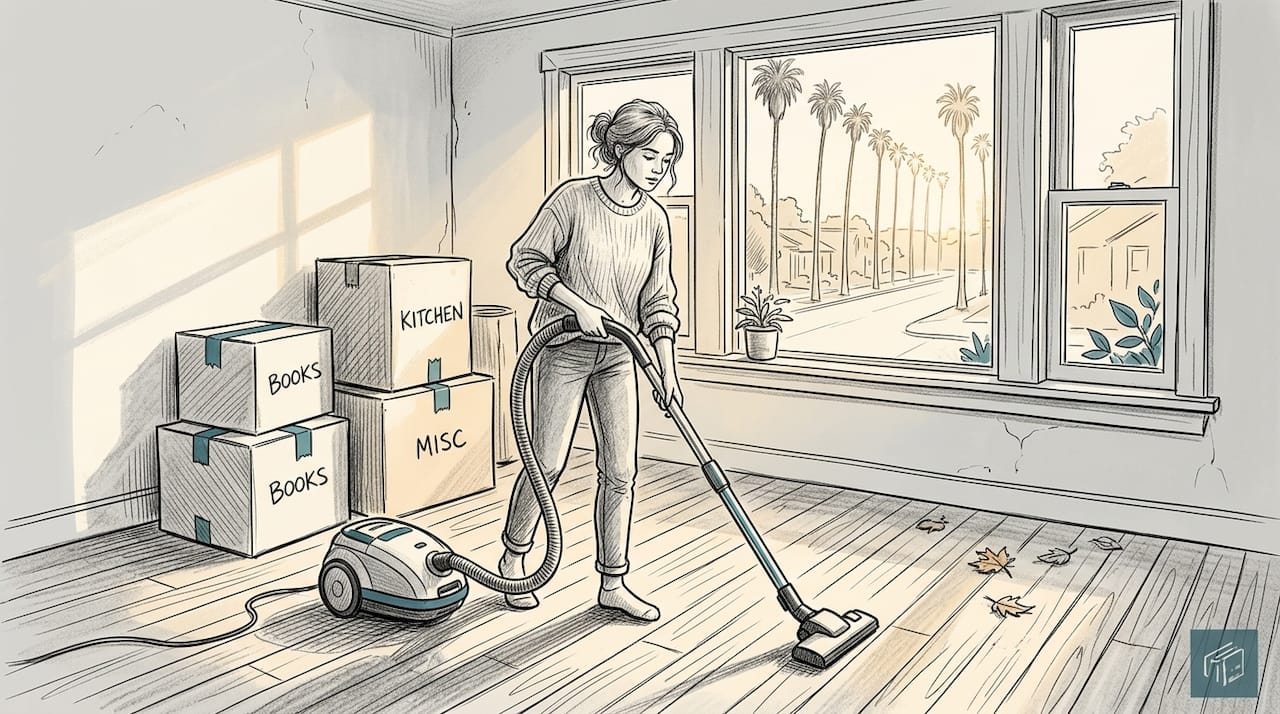
TL;DR:
- Proper documentation, landlord communication, and systematic cleaning are essential to securing your full deposit in LA. Knowing tenant rights under California law, requesting pre-move-out inspections, and providing timestamped photos prevent disputes. Hiring professional cleaners with proper prep and record-keeping can be a cost-effective way to protect your deposit.
Losing your security deposit over cleaning issues is one of the most frustrating outcomes of moving out, especially when you thought you left the place in decent shape. Knowing how to ensure deposit return cleaning is the difference between getting your full refund and receiving a bill for a professional crew you never hired. In Los Angeles, where rents are high and deposits often represent thousands of dollars, the stakes are real. This guide walks both tenants and landlords through California law, practical cleaning steps, and documentation tactics that protect everyone’s interests.
Table of Contents
- Key takeaways
- Table of contents
- California and LA deposit laws you need to know
- Preparing for move-out cleaning
- Step-by-step cleaning execution
- Verification and dispute resolution
- My take after years of working with LA renters and landlords
- Let Themaidsociety handle your move-out cleaning
- FAQ
Key takeaways
| Point | Details |
|---|---|
| Know your legal rights | California law gives tenants 21 days for deposit return and the right to dispute vague deductions. |
| Document everything | Dated photos at move-in and move-out are the single strongest protection in any dispute. |
| Use a room-by-room checklist | Systematic cleaning by area prevents the overlooked spots that trigger deductions. |
| Request a pre-move-out inspection | Tenants are legally entitled to this review so issues can be fixed before the landlord deducts. |
| Consider professional cleaning | For heavy soil or pet odors, professional help can cost less than the deduction it prevents. |
Table of contents
- California and LA deposit laws you need to know
- Preparing for move-out cleaning
- Step-by-step cleaning execution
- Verification and dispute resolution
- Perspective from the field
- How Themaidsociety can help
- FAQ
California and LA deposit laws you need to know
Understanding the legal framework is the foundation of a successful deposit return. California is one of the more tenant-friendly states when it comes to deposit law, but only if you know how to use it.
Under California Civil Code §1950.5, landlords must return your full deposit or provide an itemized statement of deductions within 21 calendar days after you move out. Miss that deadline, and the landlord may lose the right to withhold anything. Deductions over $126 require receipts. That is not a soft guideline. It is the law.
The phrase that matters most in this entire conversation is “normal wear and tear.” Landlords can only deduct for cleaning that restores the unit to its move-in condition. A scuff on the wall from a chair is normal wear. A wall covered in crayon drawings is not. A faded carpet after five years is normal wear. A carpet soaked with pet urine is not. Getting clear on this distinction saves a lot of arguments.
Since April 1, 2025, California landlords are required to photograph the unit after move-out and after any repairs or cleaning, then provide those photos to tenants with the deposit accounting. This update significantly reduces the ability of landlords to claim damages without evidence.
Los Angeles adds another layer. In rent-controlled buildings, local ordinances may require landlords to pay interest on security deposits, and tenants have additional protections beyond state law. If you are renting anywhere from Koreatown to West Hollywood, Santa Monica to Culver City, it is worth confirming whether your building falls under the LA Rent Stabilization Ordinance.
Key rights tenants hold under California law:
- The right to request a pre-move-out inspection within two weeks of move-out
- The right to receive an itemized statement for every deduction
- The right to challenge vague or unsubstantiated charges
- The right to sue in small claims court if the landlord acts in bad faith
“Cleaning charges must be itemized and justified. A flat-fee cleaning charge without documentation is not legally compliant in California.”
California Courts Self-Help Guide
Preparing for move-out cleaning
Good preparation is what separates a chaotic last week from a clean, documented move-out that protects your money. Whether you are a tenant in Venice or a landlord in Burbank, the setup matters as much as the scrubbing.
Building your cleaning supply list
For most LA rental units, you will need the following at minimum:
| Area | Supplies needed |
|---|---|
| Kitchen | Degreaser, oven cleaner, microfiber cloths, scrub pads |
| Bathrooms | Tile cleaner, toilet bowl cleaner, grout brush, glass cleaner |
| Floors | Mop, floor-specific cleaner, vacuum with attachments |
| Walls and baseboards | Magic eraser, mild all-purpose cleaner, dry microfiber cloth |
| Windows and blinds | Glass cleaner, blind duster or damp cloth |
| General | Trash bags, gloves, bucket, old toothbrush for grout |
This is not a quick-trip-to-the-dollar-store situation. Using the right product on the right surface prevents damage that could become a deduction.
Scheduling the pre-move-out inspection
Tenants are legally entitled to request a pre-move-out inspection, and this is one of the most underused protections available. Landlords must conduct this inspection within two weeks before the tenancy ends and notify tenants of the date. The purpose is to identify any issues you can fix yourself before the landlord hires someone and charges you.
Do not skip this step. A 45-minute walkthrough with your landlord or property manager before you leave can save you hundreds of dollars. Review the tenant turnover cleaning checklist to arrive at that inspection with confidence.
Pro Tip: Take photos of every room on the day you first moved in, even years after the fact if you have them stored on your phone. Courts favor tenants who arrive with organized, timestamped visual records over those who rely only on written notes.
Documenting move-in and move-out condition
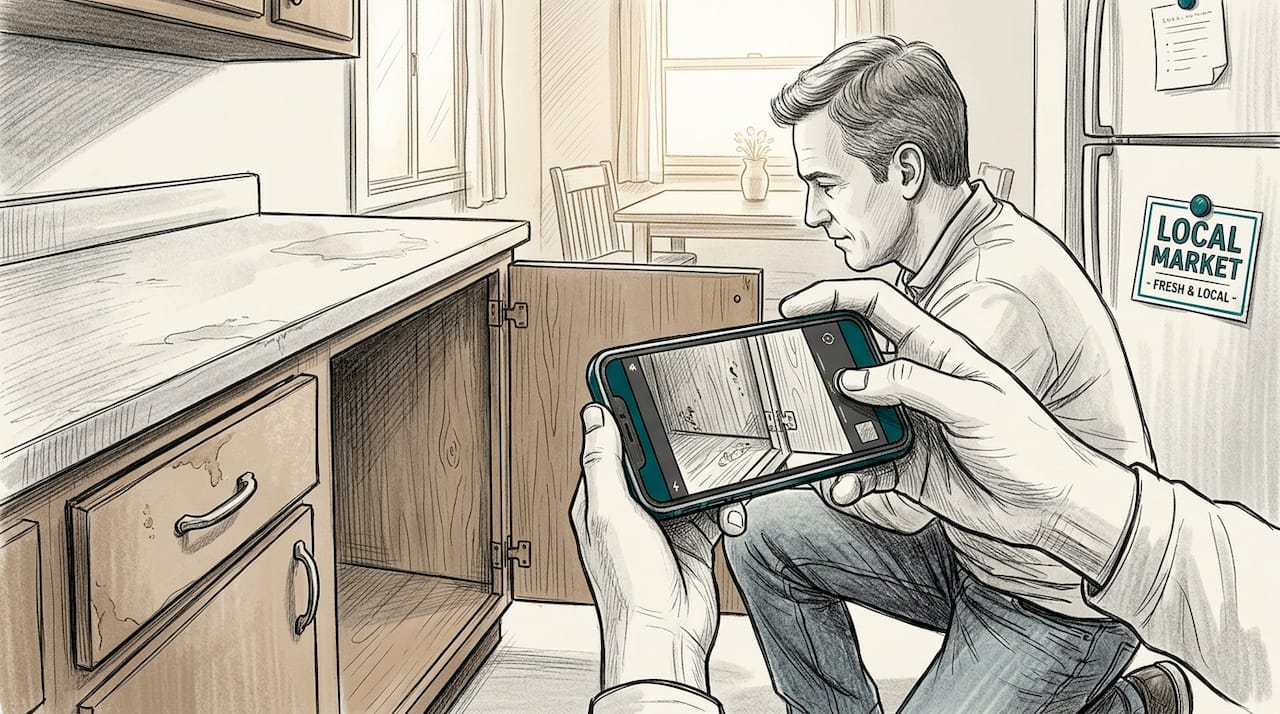
Documentation at both move-in and move-out is the single most critical factor in resolving disputes. Walk every room with your camera. Capture the floors, walls, appliances, fixtures, and any pre-existing damage. Do this from consistent angles so a side-by-side comparison is easy to make later. Save everything with the date embedded in the file name or in a cloud folder labeled clearly.
Step-by-step cleaning execution
This is where the deposit is won or lost. The best cleaning practices for deposits require working systematically through every room rather than tackling things randomly. Landlords have seen every shortcut. Property managers in Manhattan Beach and Beverly Hills have the same eye for overlooked corners as those in Hawthorne or Carson.
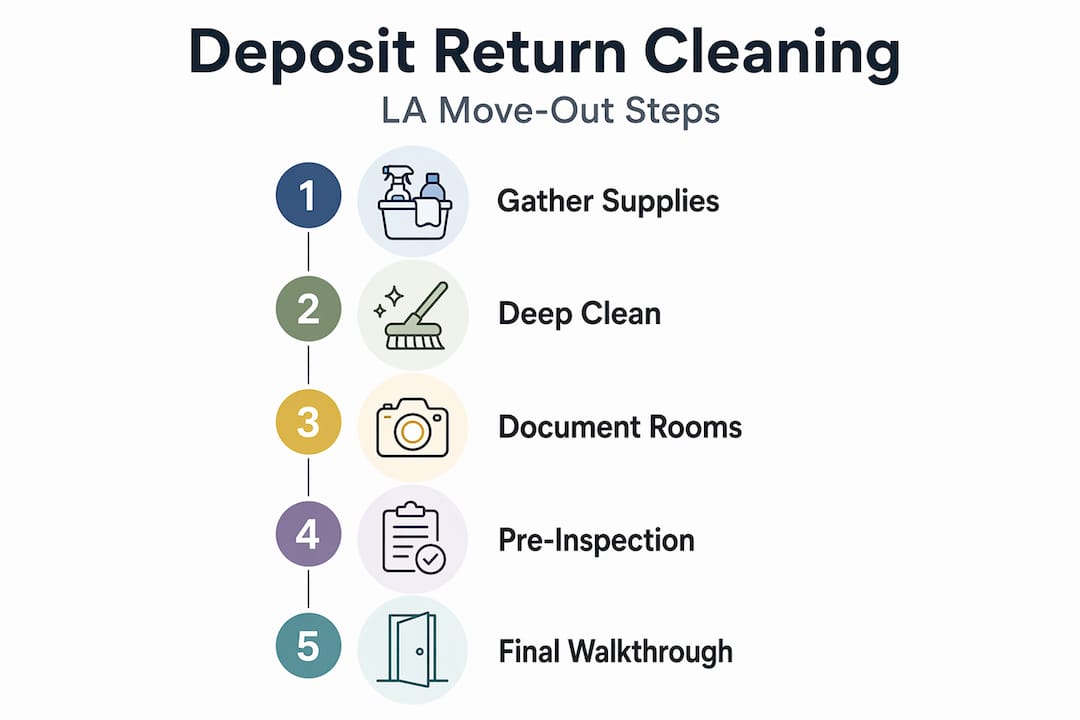
Here is a room-by-room order that covers the areas most commonly flagged in deposit disputes:
-
Kitchen appliances. Pull out the stove and refrigerator if possible. Clean underneath and behind both. Inside the oven requires dedicated oven cleaner and at least 30 minutes of soak time. Wipe down all refrigerator shelves, drawers, and the rubber door gasket where mold grows unnoticed. Clean the dishwasher filter and run a cleaning cycle.
-
Kitchen cabinets and surfaces. Wipe inside every cabinet and drawer. Degrease the range hood and the wall tiles or backsplash behind the stove. That greasy film above the burners is one of the most common deduction triggers in LA rentals. Scrub the sink and faucet until there is no water staining or soap buildup.
-
Bathrooms. Scrub the toilet inside and out, including the base where grime hides. Clean the tub and shower walls with tile cleaner and work the grout lines with a narrow brush. Polish faucets and fixtures. Wipe the mirror until streak-free. Do not forget the exhaust fan cover, which collects dust and is almost always ignored.
-
Walls and baseboards. Walk every wall in the unit and spot-clean marks with a magic eraser. Wipe all baseboards with a damp cloth. Patch any nail holes with spackling paste and touch up with matching paint if you have it. Landlords in Los Angeles commonly charge $50 to $150 per hole if you leave that work to them.
-
Floors. Vacuum before you mop. On hardwood or laminate, use the appropriate floor cleaner. On tile, pay attention to grout lines. For carpets, a rented steam cleaner is worth the three-hour investment if you have visible staining. Keep in mind that cleaning for rental return on carpet only covers genuine dirt beyond normal wear, so do not over-stress about light traffic patterns in a high-use area.
-
Living areas and bedrooms. Wipe ceiling fan blades and light fixtures. Dust and wipe down window sills, blinds, and window tracks. Clean inside closets, including the shelf and rod. Wipe light switch plates and outlet covers.
-
Final touches. Replace batteries in all smoke detectors and carbon monoxide detectors. Remove all nails, anchors, and hardware from walls. Sweep the patio, balcony, or garage if included in the unit. Do one final sweep with the lights on and the windows open so you can catch odors and see dust you missed.
Pro Tip: Clean from top to bottom, always. Start with ceiling fans and light fixtures, then walls, counters, and floors last. Cleaning floors before dusting ceiling fans means doing the floors twice.
Verification and dispute resolution
Cleaning the unit is only half the job. Protecting yourself afterward requires documentation and a willingness to push back if the landlord overreaches.
Conducting the final walkthrough
Request a formal walkthrough on or just before your final move-out day. Bring your phone for photos, a printed checklist, and your move-in documentation. Walk every room and note anything the landlord or property manager points out in real time. This gives you a chance to address issues on the spot rather than receiving a surprise deduction three weeks later.
Side-by-side photos comparing move-in and move-out conditions from the same angles are the strongest evidence available in any deposit dispute. Courts have consistently favored tenants who arrive with organized, objective visual records. If you used a move-out cleaning guide and photographed the results, you are in a strong position.
What to do when deductions appear
When the itemized statement arrives, read every line. Under California law, landlords must detail cleaning charges precisely, including time spent, a description of work, and a reasonable hourly rate if they performed the work themselves. A vague line item that reads “cleaning fee: $400” without receipts or justification is not legally sufficient. You can and should challenge it in writing.
Key steps if you dispute a deduction:
- Send a written dispute letter via certified mail within 30 days of receiving the itemized statement
- Include your photo evidence and refer to specific line items
- Request copies of all receipts the landlord used to justify charges
- Reference the specific California Civil Code section you believe was violated
If the landlord refuses to respond or return funds, small claims court in Los Angeles handles deposit disputes efficiently. You do not need an attorney. If a court finds the landlord acted in bad faith, the penalty can reach double or triple the withheld amount.
“The burden of proof in deposit disputes often falls on the landlord to justify each deduction. A well-documented tenant is harder to charge unfairly.”
My take after years of working with LA renters and landlords
The single most common mistake I have seen from tenants across Los Angeles, from Westwood to West Adams to Redondo Beach, is treating move-out cleaning as an afterthought rather than a legal transaction. People spend a weekend scrubbing and assume that is enough. But cleaning without documentation is like paying cash and keeping no receipt.
What I have also noticed is that landlords who communicate cleaning expectations clearly at the start of a tenancy have far fewer disputes at the end. A one-page move-in cleaning standard shared upfront removes the ambiguity that turns manageable conversations into adversarial ones.
The other thing most tenants miss? The pre-move-out inspection. It is free, it is legally protected, and almost no one requests it. I have watched tenants lose $600 in cleaning charges for a dirty oven that would have taken 45 minutes to address. If you do one thing from this guide, schedule that inspection.
Los Angeles has a specific rental climate worth understanding. Turnover in neighborhoods like Los Feliz, Brentwood, and El Segundo happens fast, and property managers are often working against tight timelines between tenants. That pressure sometimes produces aggressive deductions. The best defense is preparation, documentation, and knowing your rights under California law.
— Lyndsey
Let Themaidsociety handle your move-out cleaning
At Themaidsociety, we understand what landlords and property managers in Los Angeles actually look for during move-out inspections. Our move-in and move-out cleaning service is built around California’s legal cleaning standards, covering every room, surface, and detail that leads to deposit deductions when missed. We serve tenants and landlords across Los Angeles, Beverly Hills, Santa Monica, Culver City, West Hollywood, Inglewood, Long Beach, Burbank, and surrounding communities.
Professional cleaning is one of the smartest investments before move-out, especially when pet odors or heavy soil are involved. For tenants managing a tight timeline, the cost of hiring us is almost always less than the cost of a disputed deduction. Book a move-out clean with Themaidsociety and move forward with confidence. And if you are also planning your next move, ConvertLabs is a smart resource for finding tools that make your transition easier.
FAQ
How long does a landlord have to return a deposit in California?
California landlords must return the full deposit or provide an itemized statement of deductions within 21 calendar days after the tenant moves out. Missing this deadline can forfeit their right to withhold any portion.
What cleaning is a tenant responsible for at move-out?
Tenants are responsible for cleaning that restores the unit to its move-in condition, excluding normal wear and tear. Reasonable cleaning covers dirt and grime beyond what regular use creates, not cosmetic aging of the property.
Can a landlord charge a flat cleaning fee in California?
No. California law requires cleaning charges to be itemized and justified. Flat-fee cleaning charges without documentation, receipts, or time descriptions are not legally compliant and can be challenged by tenants.
What is the best way to document my apartment before moving out?
Take dated photos and video of every room from consistent angles, matching the same views you captured at move-in. Side-by-side photo comparisons are the most effective evidence in deposit disputes and are often decisive in small claims court.
Does hiring a professional cleaner guarantee I get my deposit back?
Not automatically, but professional cleaning paired with documentation significantly reduces your risk. Where heavy soil, pet odors, or extensive buildup exist, professional cleaning often costs less than the deduction a landlord would apply, making it a practical part of any deposit return cleaning guide.
"“json
***

*Authored by L.K. | Themaidsociety*

## Recommended

- [Maximize your deposit return: cleaning strategies for LA renters](https://themaidsociety.com/maximize-deposit-return-cleaning-strategies)
- [Landlord Cleaning Responsibilities in Los Angeles Rentals](https://themaidsociety.com/landlord-cleaning-responsibilities-los-angeles)
- [Rental property cleaning checklist for LA landlords 2026](https://themaidsociety.com/rental-property-cleaning-checklist-la-landlords-2026)



Get Cleaning Tips & Exclusive Offers
Join our community for time-saving hacks and special discounts delivered to your inbox.