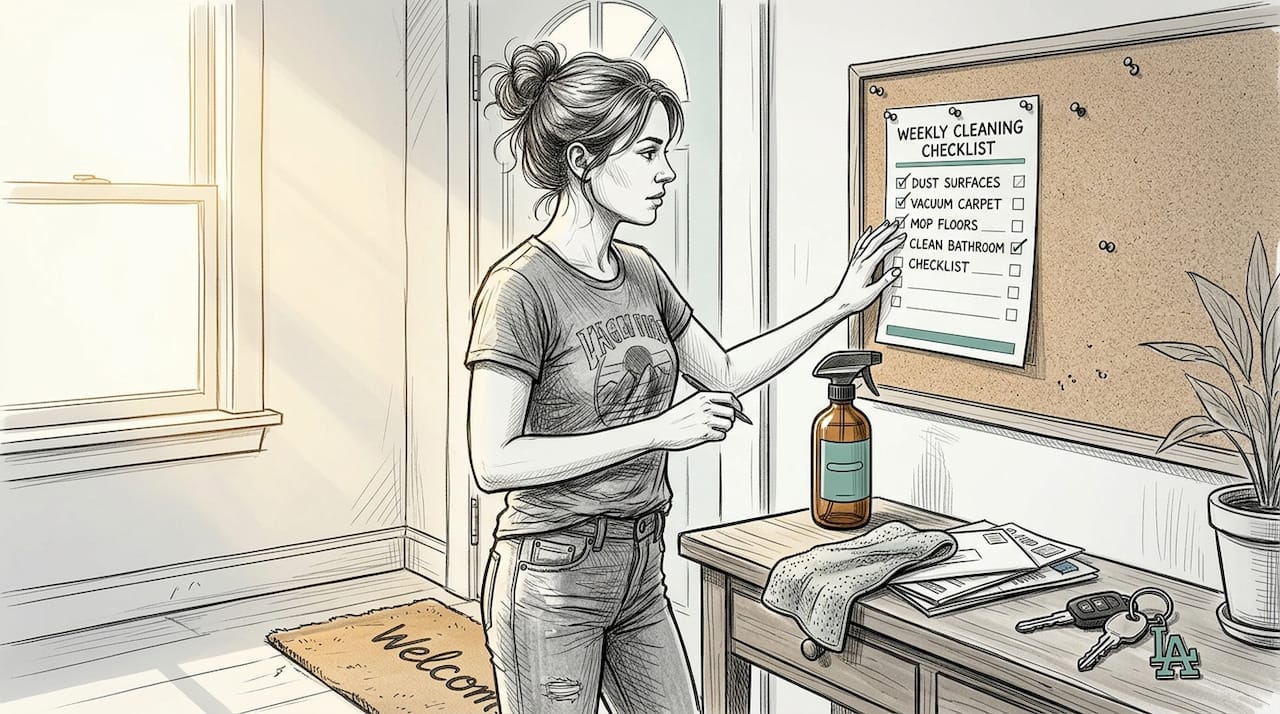
TL;DR:
- Maintaining LA properties requires compliance with strict habitability and sanitation standards enforced by local authorities. Regular cleaning, documentation, and proactive deep cleaning are essential to prevent violations and protect tenants’ health. Utilizing a customized, LA-specific checklist and professional services helps landlords and homeowners stay inspection-ready year-round.
Keeping an LA property clean isn’t just about appearances. Between the Los Angeles Housing Department’s habitability rules, county inspection requirements, and the unique environmental conditions of Southern California, homeowners and renters face a higher bar than most. Miss the wrong item on a cleaning or maintenance task and you could be looking at a failed inspection, a withheld security deposit, or a costly code violation. This guide gives you a practical, room-by-room checklist built specifically for LA properties in 2025 and beyond, so you can stay ahead of every requirement without the guesswork.
Table of Contents
- Understanding LA property cleaning standards
- Room-by-room cleaning checklist for 2025
- Routine vs. deep cleaning: What’s required and when?
- Inspection-ready habits: Maintenance and documentation
- Why “standard” checklists fall short in LA and what truly works
- Need expert help or a custom checklist? We’ve got LA covered
- Frequently asked questions
Key Takeaways
| Point | Details |
|---|---|
| LA-specific standards | Strict LA regulations mean a generic checklist may not keep your property compliant. |
| Room-by-room priority | Tackle each room’s high-risk spots to avoid the most common violations. |
| Routine vs. deep clean | Routine cleaning maintains appearance; deep cleaning ensures you pass required inspections. |
| Maintenance habits | Consistent record-keeping and scheduled tasks prevent costly issues and provide peace of mind. |
| Professional help | Expert cleaning services can streamline compliance for move-ins, move-outs, and busy schedules. |
Understanding LA property cleaning standards
Los Angeles has some of the most detailed residential property standards in the country. These aren’t suggestions. They’re enforceable requirements that affect landlords, renters, and homeowners in meaningful ways. Understanding them is the first step toward building a cleaning routine that actually protects you.
The foundation of LA rental housing law is the implied warranty of habitability. Under this rule, the LAHD requires landlords to maintain units free from blocked exits, inoperable fire equipment, damaged walls, ceilings, and floors, peeling paint, broken doors and windows, plumbing leaks, and generally unsanitary conditions. If any of these issues go unaddressed, tenants have legal remedies and landlords face fines.
The county layer adds even more specifics. The RHHP inspection program mandates that rental units remain clean and sanitary, with no mold on walls, ceilings, or floors, adequate hot and cold running water, sanitary refuse areas, and zero unsanitary accumulations of garbage or waste. These inspections can happen with limited notice.
Here are the areas most commonly cited in LA inspections:
- Mold growth in bathrooms, kitchens, and window frames
- Clogged or broken plumbing fixtures
- Peeling paint or damaged drywall
- Improperly stored trash or overflowing refuse bins
- Blocked emergency exits or corridors
- Inoperable smoke and carbon monoxide detectors
- Pest evidence from poor sanitation
“Habitability isn’t a one-time effort. It’s a standard that requires consistent attention to cleaning, maintenance, and documentation. Properties that stay compliant are the ones where owners treat these standards as ongoing commitments, not last-minute fixes before an inspector arrives.”
A useful starting point for landlords is our LA landlord checklist, which maps directly to these requirements. You’ll also find that preparing rental property for long-term tenants involves far more than a quick sweep. It requires addressing structural cleanliness, ventilation, and surface conditions before a tenant ever moves in.
Room-by-room cleaning checklist for 2025
With clear standards in mind, here is a practical, step-by-step checklist for every room and season. Work through it methodically, and you’ll cover the items LA inspectors look for and the details that protect long-term comfort.
According to deep cleaning methodology from professional sources, the most effective approach is to work top-to-bottom and room-by-room, using microfiber cloths, degreasers in kitchens, and disinfectants in bathrooms. Ventilating during cleaning is also essential, especially in LA’s warmer months when moisture builds quickly.
-
Kitchen: Clean inside cabinets, drawers, and the pantry. Degrease stovetop burners, oven interior, and range hood filters. Wipe down appliance exteriors. Scrub the sink and faucet with a disinfectant. Check under and behind the refrigerator for grease buildup and pests. Clean grout lines on tile counters and backsplashes. Empty and sanitize trash cans.
-
Bathrooms: Scrub grout lines in tile floors and shower walls. Disinfect the toilet, including the base and behind the tank. Clean faucets and showerheads, removing mineral deposits with a vinegar solution. Check for mold along caulk lines and re-caulk if necessary. Wipe down ventilation fans and make sure they are operational. Clear drains of hair and soap scum buildup.
-
Living areas: Dust ceiling fans, light fixtures, and the tops of bookshelves. Wipe baseboards and window sills. Vacuum upholstered furniture and under cushions. Clean window glass inside and out. Vacuum and steam clean carpets if present, or mop and polish hard floors. Inspect walls for scuffs, marks, or signs of peeling paint.
-
Bedrooms: Wash all bedding, including mattress covers. Dust and wipe all furniture surfaces. Vacuum under the bed and inside closets. Wipe down light switch plates and door handles. Check window seals for moisture buildup, which can indicate early mold risk.
-
Exterior and common areas: Pressure wash driveways, walkways, and exterior walls at least twice a year. Clear gutters of leaves and debris before LA’s winter rainy season (November through March). Inspect and clean patio furniture, fences, and outdoor fixtures. Keep trash and recycling areas completely clear and sanitized.
-
Seasonal tasks for LA homes: In spring, check HVAC filters and schedule a service call. In summer, clean and inspect window screens and ensure all ceiling fans are running correctly. In fall, inspect gutters, test smoke and carbon monoxide detectors, and seal any weatherproofing gaps. In winter, check for plumbing leaks as temperatures occasionally dip in the valley and mountain-adjacent neighborhoods.
For tenants moving into a new unit, our move-in deep cleaning tips cover exactly what to prioritize to start fresh. When it’s time to move out, our move-out cleaning guide walks you through the tasks that protect your deposit.
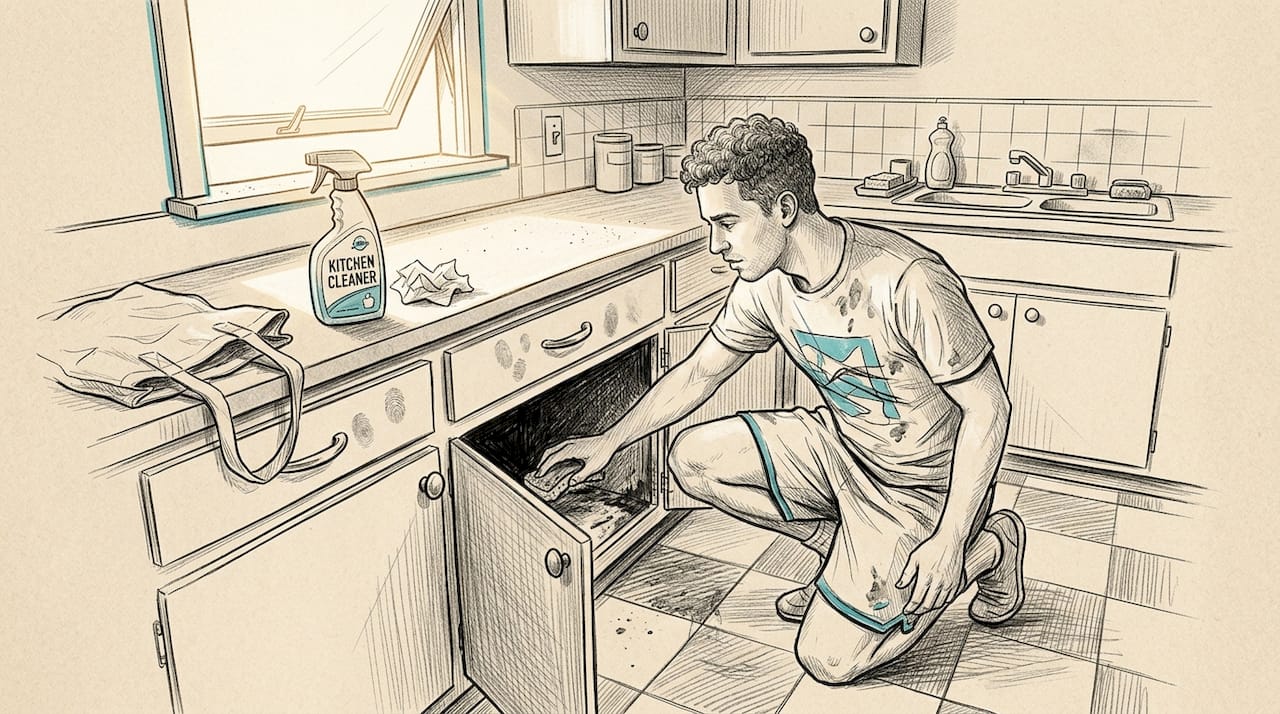
Pro Tip: Before cleaning any bathroom or kitchen, turn on the ventilation fan or open a window. LA’s warm climate means moisture lingers longer than people expect. Cleaning in a well-ventilated space prevents you from spreading mold spores while scrubbing and reduces the risk of mildew reforming quickly after you clean.
Routine vs. deep cleaning: What’s required and when?
Knowing what and how to clean is key, but when you clean makes a real difference in passing inspections and maintaining daily comfort. LA guidelines draw a clear line between what tenants are responsible for and what falls on the property owner.
Routine cleaning covers the ongoing tasks that keep a unit sanitary on a daily, weekly, and monthly basis. Deep cleaning goes further, addressing built-up grime, structural surfaces, and items that aren’t part of regular maintenance. Both are necessary, but they’re not interchangeable.
| Task | Routine cleaning | Deep cleaning | Suggested frequency |
|---|---|---|---|
| Sweep/mop floors | Yes | No | Weekly |
| Scrub tile grout | No | Yes | Quarterly |
| Clean inside oven | No | Yes | Every 3 to 6 months |
| Wipe counters | Yes | No | Daily |
| Clean inside cabinets | No | Yes | Biannually |
| Disinfect toilet | Yes | No | Weekly |
| Check/replace HVAC filter | No | Yes | Every 1 to 3 months |
| Test smoke detectors | No | Yes | Biannually |
| Clean behind appliances | No | Yes | Annually |
| Pressure wash exterior | No | Yes | Twice yearly |
Certain events make deep cleaning not just helpful but necessary. Per recommended seasonal maintenance, LA homeowners should be inspecting and cleaning gutters, servicing HVAC units, checking plumbing for leaks, testing safety devices, and pressure washing exterior surfaces on a scheduled basis. These aren’t optional for owners who want to stay compliant.
Events that trigger a mandatory deep clean include:
- A new tenant moving in
- A tenant moving out before inspection
- A confirmed mold incident
- Scheduled LAHD or county inspection
- Post-pest treatment
- Post-renovation or construction
- After a significant water leak or plumbing repair
Professional deep cleaning before and after tenancy is widely considered the gold standard for staying compliant. Our move-in cleaning benefits article breaks down exactly why it matters. You can also pair it with a full home maintenance checklist to cover both cleaning and structural upkeep in one organized system.
Inspection-ready habits: Maintenance and documentation
A solid cleaning checklist is only as good as your follow-through. Long-term habits protect your property and your peace of mind in ways that a one-time deep clean simply cannot.
The LAHD emphasizes that regular preventative maintenance prevents habitability violations. This includes conducting routine inspections, documenting conditions with photos, and understanding the clear division between tenant responsibility for daily cleanliness and landlord responsibility for structural and sanitary standards. Documentation isn’t just a best practice. In LA, it’s a form of protection.
Here’s what you should be keeping track of consistently:
- Dated photos of every room before and after a tenant moves in or out
- Receipts and invoices for all cleaning and maintenance services
- Records of HVAC filter replacements and service calls
- Logs of pest control visits and treatments
- Written communication with tenants about cleaning or maintenance issues
- Copies of inspection reports and any correction notices
- Gutter cleaning dates, including seasonal clearances before heavy rain
Setting up a digital system is easier than most people realize. A free folder in Google Drive or iCloud, organized by year and property address, gives you instant access to documentation during any inspection or dispute. Calendar reminders for quarterly deep cleans, biannual smoke detector checks, and annual HVAC service calls can be set once and repeated automatically.
Pro Tip: Take a short video walkthrough of every room at move-in and move-out, not just photos. Video captures details like squeaky doors, wall imperfections, and floor conditions that static images miss. Store it in the same digital folder as your photos. It’s one of the strongest forms of documentation available and costs nothing to create.
For landlords managing turnovers, we go deeper on how to organize post-tenant cleaning efficiently and how to reduce downtime between tenancies. Pairing your documentation habit with a reliable cleaning schedule also reduces the need for reactive, emergency cleaning before inspections. You can also reference gutter maintenance tips to round out your exterior upkeep routine throughout the year.
Why “standard” checklists fall short in LA and what truly works
Here is something most cleaning guides won’t tell you: the checklist you find on a national home improvement site was not written for Los Angeles. It was written for a generic American home, probably in a climate with distinct seasons, newer housing stock, and different regulatory standards. Following it in LA is like using a map for a different city. It gets you close, but not close enough.
LA homes deal with specific realities that national checklists ignore entirely. The dry heat followed by marine layer humidity creates ideal conditions for mold in window frames, under sinks, and behind bathroom tiles. Many LA properties are older, with aging grout, galvanized pipes, and stucco exteriors that need specific care. LA’s regulations are also updated more frequently than most cities. What passed inspection three years ago may not pass today.
The owners and renters we see struggling with violations are almost always following a checklist that was never updated for LA’s current code requirements. They cleaned consistently but focused on the wrong things, wiping visible surfaces while ignoring ventilation, grout condition, and outdoor sanitation areas.
What actually works is a local, proactive approach. That means building a checklist around LA-specific requirements, updating it when regulations change, documenting everything throughout the year (not just before inspections), and treating deep cleaning as a scheduled event rather than an emergency measure. You can explore how this connects to broader real estate cleaning best practices that protect property value and reduce vacancy periods significantly.
The goal isn’t perfection on one day. It’s consistency over time. Properties that stay consistently maintained never face the scramble of getting inspection-ready in 48 hours. And in a city where housing code enforcement is active and tenant protections are strong, that consistency isn’t just comfortable. It’s financially smart.
Need expert help or a custom checklist? We’ve got LA covered
Staying on top of every requirement across every season can be a lot to manage, especially for busy professionals, families with multiple responsibilities, or landlords managing more than one property.
That’s where The Maid Society comes in. We specialize in cleaning services in LA that are tailored to local habitability standards, from routine maintenance cleans to full move-in and move-out deep cleans that satisfy even the most detailed inspection requirements. Our vetted team handles the tasks that protect your deposit, your property value, and your peace of mind. If you’re looking to get organized beyond cleaning, our home organization checklist is a great next resource. For anyone starting fresh in a new space, our move-in cleaning explained page covers exactly what to expect when you hire a professional team for day one.
Frequently asked questions
What cleaning issues are most common in LA rental inspections?
Blocked exits, mold on surfaces, plumbing leaks, and unsanitary refuse areas are the top violations seen by LA inspectors, as outlined in the county’s inspection standards. Staying proactive with regular cleaning and documentation is the most reliable way to avoid them.
How often should LA homeowners do a deep clean?
Deep cleaning should happen at least seasonally, or before and after major events like tenant changes, per recommended cleaning methodology. LA’s climate and inspection frequency make quarterly deep cleans a practical minimum.
Who is responsible for daily vs. structural cleaning in a rental?
Tenants are responsible for daily cleanliness, while landlords are accountable for structural integrity and overall sanitary conditions, as stated in LAHD habitability guidance. Disputes often arise when these responsibilities aren’t clearly communicated from the start.
Are specialized checklists needed for LA properties?
Yes. LA’s specific habitability requirements cover items like fire equipment, plumbing, and structural surfaces that generic national checklists often miss entirely. A checklist built for LA is the only one worth using here.
Recommended
- Spring cleaning checklist for LA homeowners: room-by-room guide
- Pre-listing cleaning essentials for faster sales in 2026
- Deep Cleaning for New Tenants Guide: LA Move-In Success
- Rental property cleaning checklist for LA landlords 2026
- Blogg inom hemstädning – Varbergs HemService



Get Cleaning Tips & Exclusive Offers
Join our community for time-saving hacks and special discounts delivered to your inbox.