TL;DR:
- Vacant homes deteriorate faster due to moisture, pests, and neglecting ventilation.
- Regular cleaning and inspections protect property value, legal compliance, and marketability.
- In Los Angeles, specific environmental factors like wildfire ash and pollution necessitate specialized, ongoing maintenance.
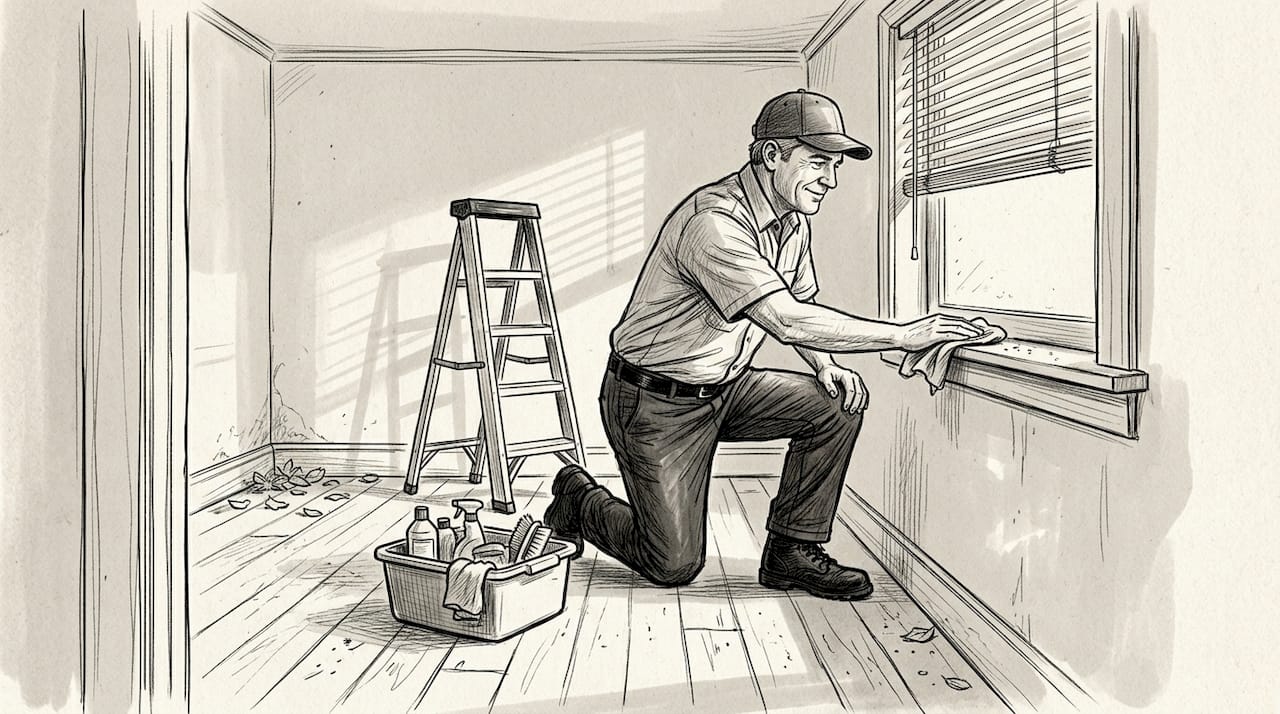
Most property owners assume an empty home stays clean simply because no one is living in it. That assumption is expensive. Vacant homes in Los Angeles actually deteriorate faster than occupied ones, and the damage often starts quietly, behind walls, under sinks, and inside HVAC ducts. Mold, pests, and moisture problems can go unnoticed for weeks. By the time a buyer or tenant walks through the door, the damage is already done. This article breaks down exactly why proactive cleaning protects your investment, speeds up sales or rentals, and keeps you on the right side of LA’s habitability laws.
Table of Contents
- Why vacant homes deteriorate faster
- The financial and market impact of a clean versus neglected vacant home
- Local challenges in Los Angeles: What you must know
- Best practices for maintaining vacant homes
- Our take: What most owners miss about vacant home cleaning
- Make vacant home cleaning effortless with local experts
- Frequently asked questions
Key Takeaways
| Point | Details |
|---|---|
| Vacancy accelerates decay | Unattended homes deteriorate rapidly, increasing risk of mold, pests, and costly repairs. |
| Clean homes sell faster | A professionally cleaned vacant property attracts buyers and leads to quicker, higher-value sales or rentals. |
| Local cleaning is essential | LA’s unique dust, pollution, and humidity require frequent, specialized cleaning for vacant homes. |
| Regular cleanings protect value | Scheduled cleaning and checks maintain insurance coverage and reduce liability for owners and agents. |
Why vacant homes deteriorate faster
It sounds counterintuitive. No one is cooking, tracking in dirt, or running water, so how could a vacant home get dirty? The answer lies in what stops happening the moment a property sits empty. Regular human activity actually helps maintain a home. When no one is there, the systems that keep a home stable stop getting the attention they need.
Empty homes deteriorate faster than lived-in ones due to poor airflow and increased pest risk. Stagnant air is one of the biggest culprits. Without regular HVAC cycling, humidity builds up inside walls and under flooring. That moisture creates the perfect environment for mold, which can spread significantly within 24 to 48 hours of water exposure. And because no one is around to notice a dripping faucet or a slow leak, small problems become structural ones.
Here is a quick look at the main deterioration triggers in vacant properties:
- Moisture build-up from stagnant air and unchecked plumbing
- Pest infestation as rodents and insects seek undisturbed shelter
- Dust settling on surfaces, vents, and inside HVAC systems
- Unnoticed leaks from pipes, roofs, or appliances left connected
- Mold growth accelerated by humidity and lack of ventilation
The financial stakes are real. Deferred cleaning and maintenance can push restoration costs into the tens of thousands of dollars. Insurance companies are also paying attention. Many policies include vacancy clauses that reduce or void coverage after 30 to 60 days of non-occupancy if the property is not regularly maintained and documented.
| Condition | Occupied Home | Vacant Home |
|—|—|—|
| Mold risk | Low (regular airflow) | High (stagnant humidity) |
| Pest presence | Detected quickly | Often unnoticed for weeks |
| Dust accumulation | Managed with regular cleaning | Rapid, heavy build-up |
| Leak detection | Immediate | Delayed, often costly |
| Insurance status | Standard coverage | Risk of voided coverage |
Understanding how cleanliness preserves home value is the first step toward protecting your investment before it slips away quietly.
The financial and market impact of a clean versus neglected vacant home
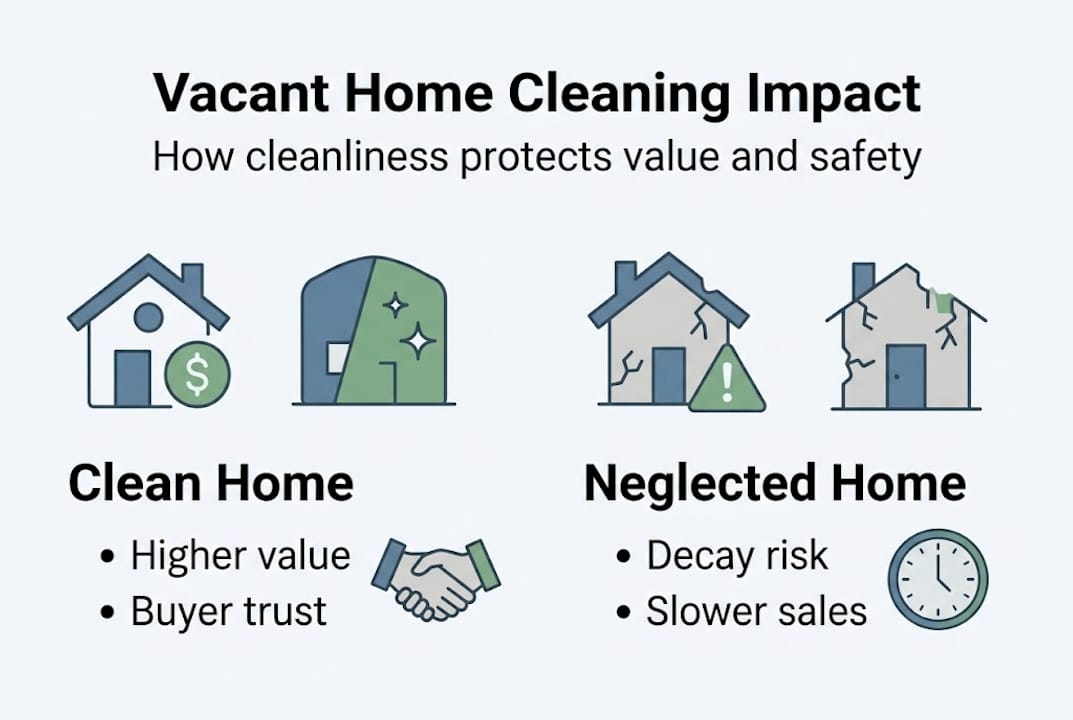
Buyers and renters make decisions fast. Within the first few minutes of a showing, they are already forming opinions about how well the property has been maintained. A dirty vacant home does not just look bad. It signals risk. Buyers assume that visible neglect means hidden problems, and that assumption directly affects their offers.
Clean homes sell faster for more money by improving first impressions, perceived maintenance, and buyer confidence. Professional cleaning for a vacant home typically costs between $200 and $700 depending on size and condition. That investment routinely pays for itself many times over through higher offers and shorter time on market.
| Factor | Clean Vacant Home | Neglected Vacant Home |
|---|---|---|
| Average days on market | Shorter, higher demand | Longer, price reductions likely |
| Buyer perception | Well-maintained, move-in ready | Risky, hidden issues suspected |
| Negotiation leverage | Seller holds stronger position | Buyer pushes for discounts |
| Rental readiness | Immediate | Requires additional prep time |
Here is a practical numbered list for preparing a vacant home for showings in Los Angeles:
- Schedule a deep clean at least one week before listing
- Focus on kitchens and bathrooms first, as buyers scrutinize these most
- Clean all windows inside and out for natural light impact
- Wipe down baseboards, light switches, and door handles
- Deodorize every room, especially if the home has been closed up
- Check for any visible mold, staining, or water marks and address them
The link between faster sales with clean homes is well established among experienced LA agents. And using cleaning for property appeal is one of the most cost-effective marketing strategies available to sellers and landlords.
Pro Tip: Do not cut corners on windows, kitchens, and bathrooms. These are the three areas buyers photograph first and remember longest. A sparkling kitchen can shift a buyer’s entire perception of the home.
Local challenges in Los Angeles: What you must know
LA is not a typical market, and its environment creates cleaning challenges that owners in other cities simply do not face. Wildfire season brings ash and fine particulate matter that settles deep into carpets, vents, and window tracks. The region’s persistent smog and high-traffic pollution leave a gray film on surfaces that builds up fast in a home no one is airing out.
Move-in and move-out cleaning in LA must address local factors like dust, pollution, humidity, and legal responsibilities under habitability laws. That last point matters more than many owners realize.
Landlords in California are legally required to provide clean, habitable rental units. Failing to remove hazardous residues, including wildfire ash, mold, or chemical deposits, can expose property owners to legal liability and tenant claims.
LA-specific cleaning triggers that vacant home owners need to watch for include:
- Wildfire ash settling on surfaces and infiltrating HVAC systems
- Air quality alerts that push fine particles indoors through gaps and vents
- Coastal humidity in areas like Santa Monica and Venice causing faster mold risk
- Smog and pollution residue on windows, blinds, and exterior surfaces
- Seasonal allergens including pollen that accumulates rapidly in empty rooms
Knowing what move-in cleaning essentials look like in this market helps owners stay ahead of problems. And deep cleaning for new tenants is not just good practice. In many cases, it is a legal obligation.
Pro Tip: After any significant wildfire event or major dust storm in the LA area, schedule an additional cleaning immediately. Ash residue is corrosive and can damage surfaces and appliances if left sitting for even a few days.
Best practices for maintaining vacant homes
Knowing the risks is one thing. Having a system to manage them is what separates owners who protect their investment from those who end up with expensive surprises. The good news is that a consistent routine does not require a huge time commitment. It just requires consistency.
Regular checks every 14 days help prevent bigger issues, and cleaning prevents insurance voids that kick in after 30 to 60 days of vacancy without documented upkeep.
Here is a practical maintenance routine for vacant LA properties:
- Every two weeks: Walk the property and check for leaks, pest signs, and unusual odors
- Monthly: Schedule a professional cleaning to maintain market-ready condition
- HVAC cycling: Run the system for at least 15 minutes during each visit to prevent stagnant air
- Visual inspections: Check ceilings, under sinks, and around windows for moisture or staining
- Pest monitoring: Set traps and check them at every visit
- Documentation: Photograph the property condition at each visit for insurance records
Beyond the routine checks, there are specific areas that get missed far too often:
- Gutters and downspouts that overflow and push water toward the foundation
- Under and behind appliances where moisture and debris collect
- Garage and basement floors that accumulate dust and attract pests
- Ceiling fans and light fixtures where dust builds up and falls onto surfaces
- Window tracks and door seals where grime traps moisture
Using a thorough move-out cleaning checklist as your baseline is a smart starting point. And if the property is being prepared for a new occupant, the ready-to-rent cleaning process ensures nothing gets overlooked before keys change hands.
Our take: What most owners miss about vacant home cleaning
After working with property owners and agents across Los Angeles, one pattern stands out clearly. Most people treat cleaning as a reactive task, something you do right before a showing or after a tenant moves out. That mindset is where the real cost hides.
Conventional wisdom underestimates how fast a vacant property can lose its appeal and, more critically, its insurance eligibility. A home that looks fine in January can have a mold problem by March if no one is checking. The biggest surprise for most owners is how little it actually costs to stay ahead of this, compared to the financial and reputational damage of neglect.
Experienced owners treat cleaning as a pre-emptive strategy at every stage of a property’s vacancy. Not just before showings. Not just after tenants leave. Every month, without exception. Think of it as insurance for home value, and why details matter becomes obvious the moment a buyer walks through a door that smells fresh and looks cared for. That first impression is not accidental. It is the result of consistent, deliberate upkeep.
Make vacant home cleaning effortless with local experts
If managing a vacant property in Los Angeles already feels like a full-time job, the cleaning side of it does not have to be. The Maid Society specializes in exactly this kind of work, from one-time deep cleans before a listing goes live to ongoing monthly maintenance that keeps your property market-ready and protected year-round.
Our team understands LA’s specific challenges, from wildfire ash to coastal humidity, and we bring the right approach to every property we service. Explore our vacant home cleaning services or start with our detailed move-in cleaning guide to see exactly what a professional clean covers. Booking is simple, and the results speak for themselves.
Frequently asked questions
How often should you clean a vacant home in Los Angeles?
Vacant homes should receive a professional cleaning at least once a month and be inspected every 14 days to prevent costly issues from going unnoticed.
Does regular cleaning increase the sale price or rental speed for vacant homes?
Yes. Clean homes sell faster and for more money because buyers interpret cleanliness as a sign of good maintenance and feel more confident making strong offers.
Are there legal cleaning requirements for vacant rentals in LA?
Yes. Landlords are responsible for ensuring vacant rentals meet habitability standards, which includes removing hazardous residues like fire ash and mold before a new tenant moves in.
What is the typical cost for professional vacant home cleaning?
Professional cleaning costs in LA range from $200 to $700 depending on the size of the home and the specific services required, making it one of the highest-return investments a property owner can make.
Recommended
- Role of Cleaning in Home Value Enhancement
- Why final cleaning matters: health, safety, and home value
- Role of Cleaning in Open Houses—Impact on LA Sales
- Cleaning as a Marketing Tool: Boosting Property Appeal
- Decode commercial cleaning terms: guide for managers



Get Cleaning Tips & Exclusive Offers
Join our community for time-saving hacks and special discounts delivered to your inbox.