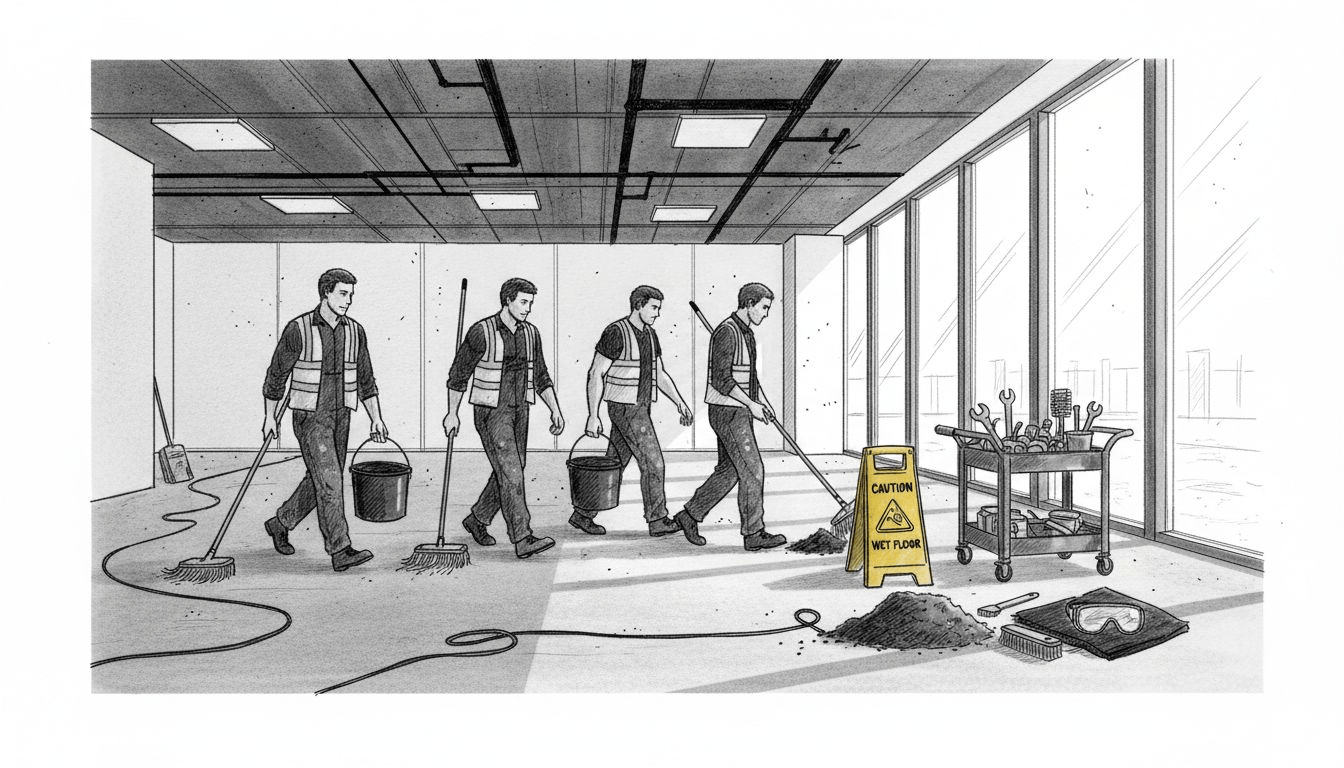
Cleaning up after a construction project in Los Angeles can feel overwhelming when every detail matters for new tenants. Property managers face the challenge of turning dusty, debris-filled units into pristine homes that meet strict health and safety codes. With construction cleaning involving far more than basic trash removal, understanding exactly what professional crews provide helps you deliver spotless, move-in-ready spaces while maintaining the standards your properties demand.
Table of Contents
- What Construction Cleaning Services Include
- Main Types of Construction Cleaning Services
- Key Steps in the Cleaning Process
- Common Risks and Compliance Considerations
- Choosing the Right Service Provider
Key Takeaways
| Point | Details |
|---|---|
| Construction cleaning encompasses more than debris removal | It includes sanitation, dusting, detailed surface preparation, and specialized services to ensure properties are market-ready. |
| Different phases of construction cleaning serve specific purposes | Rough cleaning, mid-stage cleaning, and final cleaning are crucial at various project stages to maintain cleanliness and safety. |
| Worker safety and compliance are critical considerations | Ensure contractors follow OSHA standards and provide necessary safety certifications to minimize risks during cleaning operations. |
| Choosing the right service provider is essential for success | Define project requirements clearly, ask for references, and verify credentials to select a reliable construction cleaning contractor. |
What Construction Cleaning Services Include
Construction cleaning is far more detailed than simply sweeping up debris after a project ends. When property managers oversee new construction or major renovation projects in Southern California, understanding exactly what these services encompass helps you set proper expectations and ensure your property is market-ready for tenants. Construction cleaning covers everything from basic trash removal to meticulous detail work that transforms a dusty job site into a pristine, move-in-ready space.
At its core, construction cleaning addresses all the aftermath that heavy machinery, materials, and workers leave behind. This includes removing construction debris, sweeping and mopping all floor surfaces, and cleaning dust from every horizontal and vertical surface. Professional crews tackle walls, ceilings, window frames, and fixtures that accumulate fine construction dust during building. They handle sanitation standards required at work sites, ensuring restrooms are properly cleaned and stocked with essentials like soap and paper towels. Exterior cleaning is equally important, covering surfaces like entryways, parking areas, and building facades to remove the weathered appearance construction leaves behind. Many services also include specialized cleaning such as carpet shampooing, window cleaning inside and out, and graffiti removal if needed. The goal is delivering a space that meets health and safety codes while looking completely finished.
Beyond the visible cleanup, construction cleaning extends to detailed preparation work that gets properties ready for occupancy. This means cleaning kitchen appliances, sanitizing bathrooms to move-in standards, removing protective coverings from fixtures, and addressing any paint splatters or adhesive residue. Professional crews understand that your Los Angeles property needs to appeal to potential tenants immediately upon showing, which means going beyond basic cleaning to include polish and presentation. Services typically address HVAC vents, light fixtures, door handles, baseboards, and other details that catch tenant attention during viewings. Depending on the scope of your construction project in areas like West LA, Beverly Hills, or Long Beach, you may need crews focused on rough cleaning (removing bulk debris early in the project) or final cleaning (the detailed finishing touches). Some comprehensive packages include organizing materials and removing temporary construction elements like protective plastic sheeting or plywood.
Pro tip: Schedule your final construction cleaning during the last three days before tenant move-in to maximize the pristine condition and prevent new dust from settling during the transition period.
Main Types of Construction Cleaning Services
Construction cleaning breaks down into distinct categories, each serving different purposes throughout and after a building project. Understanding these types helps property managers in Los Angeles make informed decisions about when to schedule cleaning and what services best fit their timeline and budget. The type of cleaning you need depends on your project phase, the scope of work, and how quickly you need the space ready for occupancy.
Rough cleaning happens early in the construction process, typically after the structural work and major installations are complete but before finishing touches begin. This initial phase removes bulk construction debris, dirt, and dust that accumulates from heavy machinery and materials. Crews focus on clearing out scrap materials, cleaning concrete dust from floors and surfaces, and disposing of packaging materials. Rough cleaning prepares the space so workers can safely continue with interior finishing work like painting, flooring installation, and fixture placement. This type is essential because it prevents construction debris from contaminating newly finished surfaces. Following rough cleaning, mid-stage cleaning occurs between different phases of construction, keeping the workspace manageable and preventing dust from settling on completed work. This ongoing maintenance prevents cross-contamination and makes final cleaning much easier. Final cleaning, also called post-construction cleaning, happens after all construction work concludes. This is the comprehensive deep clean that transforms your property into a move-in-ready space, addressing every surface, corner, and detail. Many property managers in areas like Beverly Hills, Santa Monica, and Long Beach rely on specialized cleaning certifications to ensure their contractors understand industry standards for different construction scenarios.
Beyond these timeline-based categories, construction cleaning also breaks into specialized services addressing specific needs. Interior finishing cleaning focuses on kitchens, bathrooms, bedrooms, and living spaces, ensuring every room meets move-in standards. Exterior cleaning covers parking lots, building facades, landscaping areas, and entryways that construction traffic has affected. Window cleaning is often a separate service, addressing interior and exterior glass, frames, and sills that collect fine dust. Carpet and floor cleaning may require different techniques depending on the flooring type installed. Some projects also need biohazard or environmental remediation cleaning if hazardous materials were part of the construction process. The scope of your project determines which combination of these services makes sense. A minor renovation in West LA might need only final interior cleaning, while a large new build in Long Beach requires rough, mid-stage, and comprehensive final cleaning.
Pro tip: Coordinate with your construction contractor to schedule rough cleaning immediately after the major structural work completes, reducing the total dust accumulation and making final cleaning faster and more cost effective.
To help property managers select the best cleaning approach, here is a comparison of key construction cleaning service types:
| Service Type | Typical Timing | Main Focus Areas | Common Benefit |
|---|---|---|---|
| Rough Cleaning | Early, post-structure | Bulk debris, dust | Improves job site safety |
| Mid-Stage Cleaning | During construction | Maintenance, dust | Keeps workspace manageable |
| Final Cleaning | Pre-occupancy | All surfaces, details | Delivers move-in-ready property |
| Specialized Cleaning | Any phase | Kitchens, windows, carpets | Meets health and tenant standards |
Key Steps in the Cleaning Process
Professional construction cleaning follows a structured methodology that ensures nothing gets missed and the space transforms from dusty job site to pristine property. Property managers across Los Angeles understand that a systematic approach saves time, reduces costs, and delivers consistent results that satisfy both inspectors and incoming tenants. The process typically unfolds in logical phases designed to work efficiently without requiring crews to backtrack or redo areas.
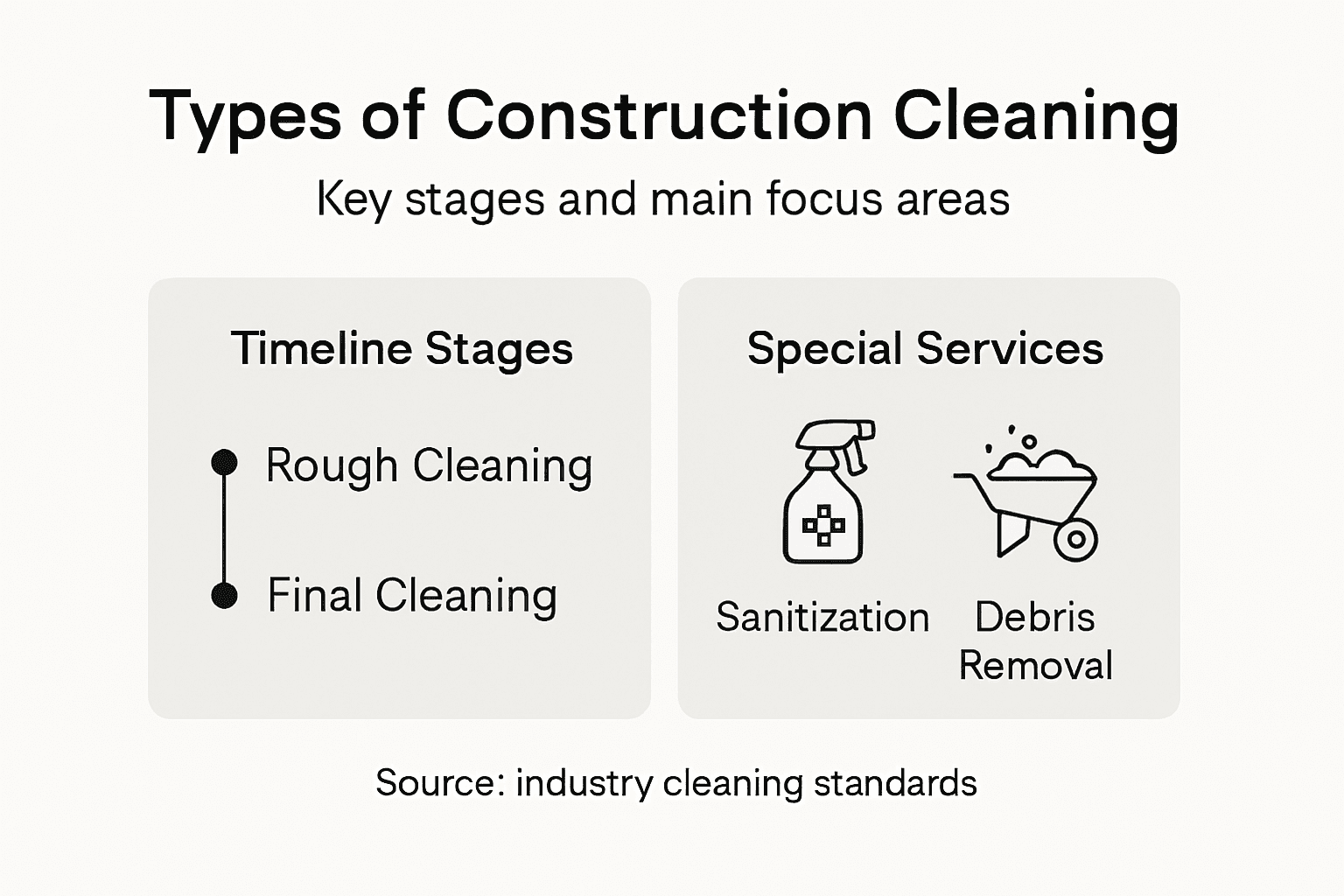
The first critical step is trash removal and debris clearance, which creates a blank canvas for deeper cleaning work. Crews haul away scrap materials, packaging, protective coverings, and construction waste that accumulated during building. This phase often happens in stages if the project is still ongoing, with rough cleaning removing bulk debris early and final cleaning addressing leftover items. Once the space is cleared, teams move to dusting and surface preparation, attacking dust that settled on every horizontal and vertical surface. This includes ceiling fans, light fixtures, crown molding, baseboards, windowsills, and any equipment or furniture left in the space. Properly completing this step prevents dust from raining down onto already-cleaned areas below. Next comes bathroom and kitchen sanitization, addressing the spaces that require the highest cleanliness standards. Crews thoroughly clean toilets, sinks, showers, tile, grout, and all fixtures with appropriate disinfectants. Kitchen surfaces, appliances, and cabinets receive detailed attention including inside refrigerators and dishwashers. Following systematic cleaning and disinfection protocols ensures that high-touch surfaces receive proper contact time with disinfectants to eliminate contamination.
Floor care represents another substantial phase where crews sweep, vacuum, and mop all flooring surfaces using techniques appropriate for the specific material. Different floor types require different approaches: concrete needs sealing preparation, hardwood requires specialty floor cleaners, tile demands grout cleaning, and carpet needs shampooing or steam cleaning. Window and glass cleaning follows, addressing both interior and exterior windows, frames, sills, and any glass fixtures or mirrors throughout the property. The final phase involves detailed inspections and touch-ups, where supervisors walk through every room checking baseboards, light switches, door handles, and corners for any missed spots. Teams then restock supplies like toilet paper, paper towels, and soap dispensers in bathrooms and kitchens. This systematic approach prevents overlooking areas and ensures property managers in Culver City, West Hollywood, or any part of Southern California receive a truly market-ready space.
Pro tip: Schedule your final walkthrough inspection during mid-afternoon when natural light is strongest, making it easier to spot dust, fingerprints, and streaks that might otherwise escape notice.
Common Risks and Compliance Considerations
Construction cleaning involves real hazards that property managers and cleaning contractors must address seriously. When you hire a construction cleaning company in Los Angeles, understanding the risks and compliance requirements helps you choose vendors who prioritize safety and meet legal obligations. These considerations protect your workers, your tenants, and your liability exposure.
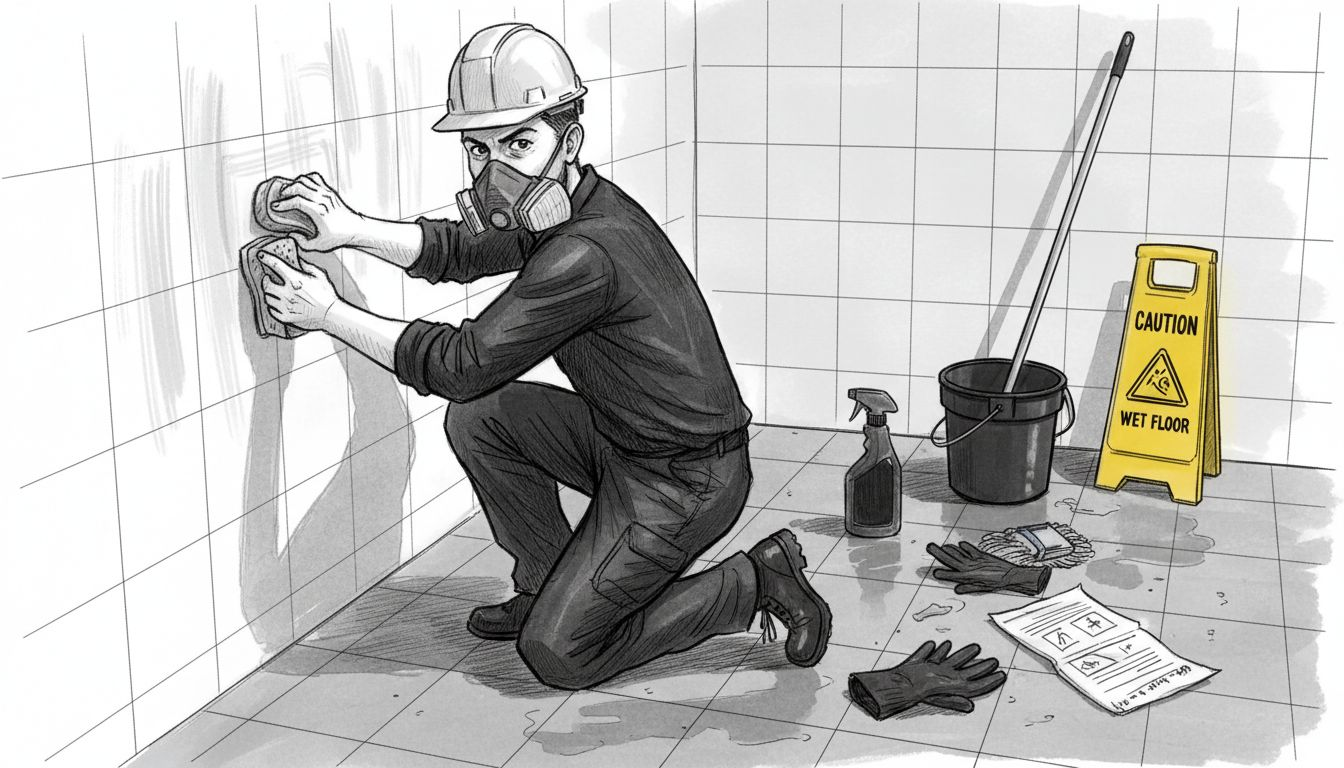
Worker safety represents the most immediate concern in construction cleaning operations. Cleaning crews encounter chemical hazards from construction residues, cleaning agents, disinfectants, and potentially hazardous materials left behind from the building process. Workers need proper personal protective equipment (PPE) including gloves, respiratory protection when needed, and eye protection. Beyond chemicals, teams face slip and fall risks from wet floors, debris, uneven surfaces, and unstable footing common at construction sites. Fall hazards exist when cleaning upper floors, skylights, or exterior surfaces without proper scaffolding or harnesses. Exposure to infectious agents and bloodborne pathogens may occur if biohazard cleanup is part of the project. Hazard prevention controls such as proper PPE and safety training are not optional but legally required under OSHA standards to protect workers performing construction cleaning. Professional contractors should maintain documented safety programs, provide regular training, and enforce compliance across all project sites in Beverly Hills, Venice, Marina Del Rey, and throughout Southern California.
Compliance obligations extend beyond worker safety to public health and facility standards. Maintaining sanitation standards for restrooms is a specific OSHA requirement that contractors must meet during construction and after completion. Restrooms must be clean, accessible, and stocked with soap, water, and hand-drying facilities. Your final construction cleaning must meet or exceed local building codes and health department standards before the property receives occupancy approval. Many municipalities require proof of final inspection and cleaning certification before issuing certificates of occupancy. Property managers should verify that contractors carry appropriate licensing, insurance, and certifications demonstrating they understand construction site hazards and compliance requirements.
The business reality is simple: cutting corners on safety or compliance creates liability that costs far more than doing the job correctly. A single worker injury or health violation can delay your project, trigger fines, or result in litigation. Reputable cleaning companies operating in areas like Long Beach, Culver City, and West LA carry workers compensation insurance, maintain OSHA compliance records, and train staff on hazard recognition and prevention. When evaluating bids, ask contractors directly about their safety programs, worker training certifications, and compliance documentation. The cheapest bid often reflects inadequate safety measures that expose you to serious risk.
Pro tip: Request proof of OSHA compliance, workers compensation insurance, and hazard training certifications before signing a contract with any construction cleaning contractor.
Choosing the Right Service Provider
Selecting a construction cleaning contractor is one of the most important decisions property managers make when preparing properties for occupancy in Los Angeles. The wrong choice can result in incomplete cleaning, missed compliance requirements, cost overruns, and delays in getting your property market-ready. The right contractor becomes a reliable partner who understands your specific needs and delivers consistent results across multiple projects.
Start by clearly defining your project requirements and timeline. Before reaching out to contractors, conduct a detailed walkthrough of your property and document exactly what needs cleaning. Is this rough cleaning after structural work, or final move-in cleaning? Do you need carpet shampooing, window cleaning, or specialized services? Does your project include exterior areas, parking lots, or landscaping? Understanding the scope and frequency of cleaning tasks helps contractors provide accurate bids and demonstrates you take the project seriously. Be specific about deadlines. If you need the property ready for tenant showings by a certain date, say so. Contractors working across Santa Monica, Pacific Palisades, and Westchester appreciate clear communication about expectations from the start. Request references from contractors and actually contact them. Ask previous clients specific questions about punctuality, attention to detail, how the contractor handled unexpected issues, and whether final results met expectations. Verify that contractors carry appropriate licensing and insurance. Ask to see workers compensation certificates and general liability insurance documents. This protects you if accidents occur during cleaning operations.
Credibility matters significantly when evaluating providers. Look for contractors who demonstrate commitment to health and environmental safety standards through relevant certifications and memberships in professional organizations. Contractors trained in current safety protocols and sustainable cleaning chemistry protect your property and workers. Request that contractors conduct a detailed site audit before providing a final bid. During this visit, assess their professionalism, whether they ask thoughtful questions about your needs, and how thoroughly they examine the space. A contractor who spends 30 minutes assessing your property will deliver better results than one who glances around and quotes from memory. Compare bids carefully but avoid choosing solely based on price. A significantly lower bid often indicates the contractor plans to cut corners on detail work, skip certain areas, or use inferior products. Get everything in writing including scope of work, timeline, cost, payment terms, and cleanup procedures. Written agreements prevent misunderstandings and give you recourse if work doesn’t meet expectations. In areas like Burbank, Hollywood, and Koreatown where competition is fierce, take time to interview at least three contractors before deciding.
Pro tip: Request a trial project on one unit or smaller area first to evaluate the contractor’s quality before committing to your entire property.
The following reference summarizes essential contractor credentials to verify when choosing a construction cleaning provider:
| Credential Type | Why It Matters | How to Verify |
|---|---|---|
| Licensing & Certification | Ensures legal operations | Request official documentation |
| Insurance (Workers Comp, Liability) | Protects against accidents | Review current insurance certificates |
| OSHA Compliance | Prevents safety violations | Ask for OSHA training records |
| Professional Memberships | Indicates industry expertise | Confirm active member status |
Ensure Your Property Shines After Construction with Expert Cleaning
Managing construction cleaning means facing challenges like dust removal, debris clearance, and meeting strict sanitation standards to create a move-in-ready space. The article highlights how precise classification of cleaning services such as rough cleaning, mid-stage cleaning, and final cleaning is essential to protect your investment and impress future tenants. If you are a property owner or manager overwhelmed by the detailed demands of post-construction cleanup, you deserve a solution that delivers consistent, thorough results with professionalism and care.
Discover how The Maid Society helps busy Los Angeles property owners and professionals by providing trusted post-construction and move-in cleaning services tailored to your project stage. We understand the importance of detailed surface preparation, debris removal, and sanitizing key areas so your property meets health codes and shines for showings. Access valuable insights on making the cleaning process smoother and more effective with our Move-In & Move-Out Cleaning Tips and expert advice in our Expert House Cleaning Tips & Tricks blog.
Take control of your property’s post-construction phase by partnering with a team trained to handle every detail with respect and precision. Visit The Maid Society today to schedule your cleaning service and ensure your space is truly market-ready without the stress and hassle.
Frequently Asked Questions
What are the main types of construction cleaning services?
Construction cleaning services can be classified into three main types: rough cleaning, mid-stage cleaning, and final cleaning. Rough cleaning occurs early in the construction process to remove bulk debris, mid-stage cleaning helps maintain a manageable workspace, and final cleaning transforms the property into a move-in-ready condition.
How does rough cleaning differ from final cleaning?
Rough cleaning focuses on the removal of bulk debris and dust after major structural work is completed, whereas final cleaning involves a comprehensive deep clean that addresses every surface, detail, and inspection required to make the property ready for occupancy.
What steps are involved in the construction cleaning process?
The construction cleaning process typically includes trash removal, dusting and surface preparation, kitchen and bathroom sanitization, floor care, window cleaning, and detailed inspections for any missed spots, ensuring that the property meets health and safety standards.
Why is compliance and safety important in construction cleaning?
Compliance and safety are crucial in construction cleaning to protect workers from chemical hazards, slip and fall risks, and ensure adherence to sanitation standards. Following safety protocols helps prevent accidents and delays in occupancy approval due to non-compliance with health regulations.
Recommended
- Deep Cleaning Process for Builders: Ensure Project Perfection
- How Much Should a Post-Construction Clean Cost in Los Angeles?
- Why Professionals for New Build Cleaning Matter
- 7 Essential Types of Home Cleaning Services Explained


Get Cleaning Tips & Exclusive Offers
Join our community for time-saving hacks and special discounts delivered to your inbox.