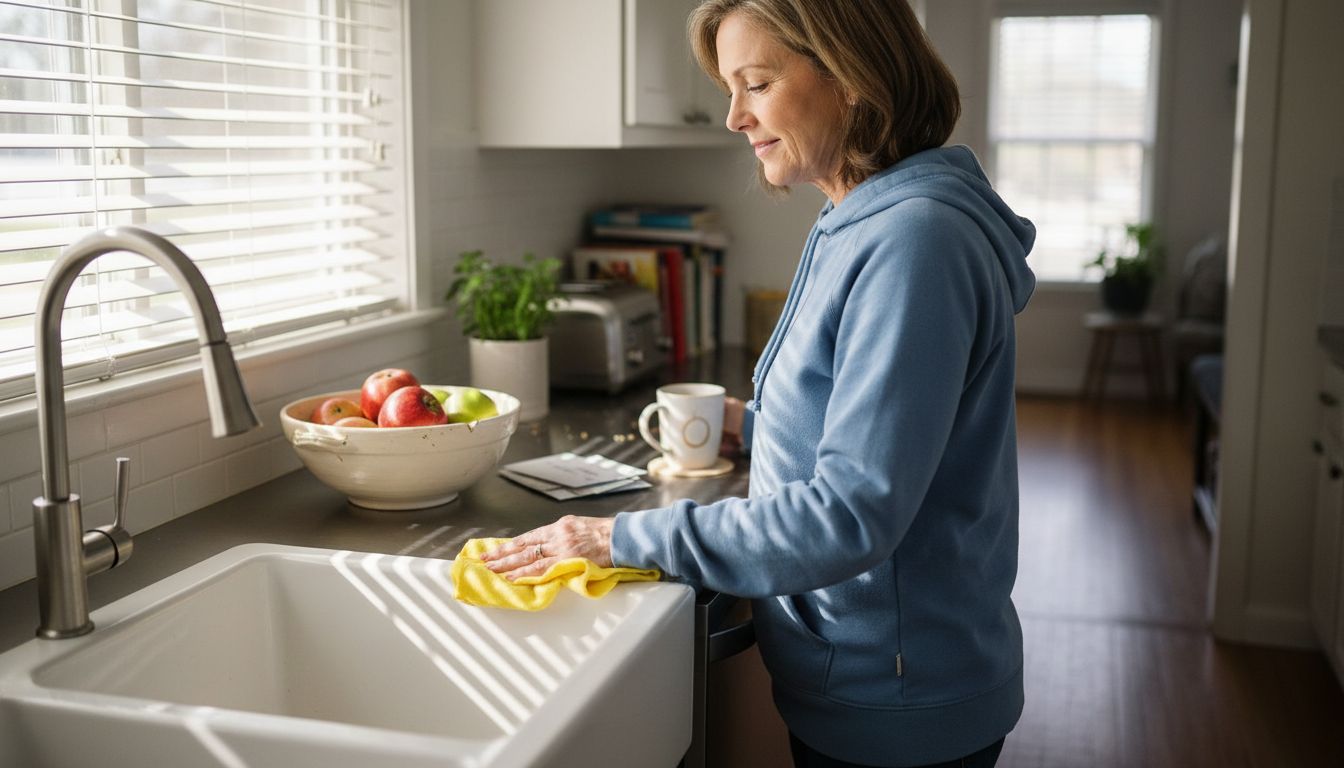
Over 40 percent of American adults say keeping up with household chores feels like a constant struggle. For many, finding time to maintain a clean and healthy home while balancing busy schedules can seem out of reach. By learning practical daily habits, simple cleaning strategies, and smart clutter control, you can turn even the busiest days into a chance to keep your American home organized without spending hours on time-consuming tasks.
Table of Contents
- Step 1: Set Up Simple Daily Habits
- Step 2: Tackle Quick High-Traffic Area Wipe-Downs
- Step 3: Practice Smart Clutter Control
- Step 4: Spot-Check and Refresh Touch Points
- Step 5: Schedule Mini-Cleans Before Next Service
Quick Summary
| Key Point | Explanation |
|---|---|
| 1. Establish Daily Cleaning Habits | Implement small daily cleaning tasks to maintain an organized home and prevent overwhelming messes later. Treat these tasks as non-negotiable routines. |
| 2. Focus on High-Traffic Areas | Regularly clean frequently touched surfaces like doorknobs and light switches to reduce germs without spending a lot of time. |
| 3. Use a Clutter Control System | Create designated areas for everyday items to minimize clutter and maintain organization. Implement a sorting system to streamline your living spaces. |
| 4. Refresh Touch Points Regularly | Dedicate a few minutes each day to clean high-touch surfaces, significantly enhancing home hygiene and cleanliness. |
| 5. Schedule Mini-Cleans Between Services | Conduct short cleaning tasks between professional cleanings to extend cleanliness and manage maintenance more effectively. |
Step 1: Set Up Simple Daily Habits
Building consistent daily cleaning habits transforms your home maintenance routine from overwhelming to effortless. By implementing small, strategic tasks each day, you can keep your living space organized and prevent major cleaning challenges down the road.
Start with core kitchen maintenance techniques recommended by University of Minnesota Extension. This means washing dishes immediately after use, wiping down counters, and sweeping floors daily. These quick actions prevent dirt buildup and create a consistently clean environment. The key is treating these tasks as non negotiable parts of your daily routine rather than optional chores.
Beyond kitchen cleaning, extend your daily habits to other areas like bedrooms. Following guidance from Kansas State University’s home maintenance guide, make your bed each morning and put away clothes immediately. This simple practice takes less than five minutes but dramatically reduces clutter and creates a sense of order.
Pro tip: Link your new habits to existing routines. For instance, while waiting for your morning coffee to brew, quickly wipe kitchen surfaces. Or fold laundry during a commercial break while watching evening television. The goal is integrating cleaning into your natural daily flow without feeling like extra work.
As you build these habits, you will notice your home staying consistently cleaner with far less effort. Small, regular actions prevent large, time consuming cleanup projects later.
Step 2: Tackle Quick High-Traffic Area Wipe-Downs
Quick and targeted cleaning of high-traffic areas can dramatically improve your home’s overall cleanliness and reduce germs without consuming hours of your day. This step focuses on systematically addressing surfaces that accumulate the most dirt and bacteria.
Start by addressing frequently touched surfaces as recommended by AARP’s cleaning guidance. Focus on sanitizing doorknobs, light switches, cabinet handles, remote controls, and stair railings. These areas are germ hotspots that often get overlooked during regular cleaning. A microfiber cloth with an appropriate cleaning solution can quickly eliminate bacteria and prevent buildup.
For living spaces, Consumer Reports suggests paying special attention to furniture and floor areas. Use vacuum attachments to clean sofa crevices and underneath furniture where dust and debris accumulate. Move furniture slightly to access hidden areas, ensuring a thorough cleaning that goes beyond surface level.
Pro tip: Keep a caddy with cleaning supplies in an easily accessible location. Stock it with microfiber cloths, multipurpose cleaner, and disposable wipes. This preparation makes spot cleaning quick and convenient, increasing the likelihood you will maintain these high-traffic zones consistently.
Remember that consistent quick wipe downs prevent major cleaning projects later. Spending just five to ten minutes daily addressing these areas will keep your home looking fresh and reduce overall maintenance time.
Step 3: Practice Smart Clutter Control
Clutter control is about creating sustainable systems that keep your living spaces organized and stress free. By implementing strategic approaches, you can transform chaotic spaces into streamlined environments that support your daily life.

As recommended by University of California Merced’s cleaning guide, break down your decluttering process into manageable weekly tasks. Instead of attempting massive overhauls that feel overwhelming, dedicate specific time slots to different areas of your home. For instance, focus on kitchen counters one day, bedroom closets another, and home office spaces on a third day.
Establish a simple sorting system for incoming items. Create designated zones for mail, keys, shoes, and other frequently used objects. Use clear containers, labeled baskets, or wall mounted organizers to provide immediate homes for items that typically create surface clutter. This approach prevents random piles from accumulating and makes maintaining order significantly easier.
Pro tip: Implement the one in one out rule. Whenever you bring a new item into your home, remove a similar item. This prevents unnecessary accumulation and keeps your spaces intentionally curated. Donate, sell, or discard the outgoing item to maintain balance.
Remember that consistent small efforts create lasting organization. Spending just ten minutes each day addressing clutter will prevent massive cleanup projects and help you maintain a more peaceful living environment.
Step 4: Spot-Check and Refresh Touch Points
Spot checking and refreshing high-touch surfaces is your secret weapon in maintaining a consistently clean and healthy home environment. This strategy focuses on systematically addressing areas that accumulate the most germs and dirt throughout your daily activities.
Consumer Reports highlights the critical importance of targeting specific areas like doorknobs, handles, light switches, and electronic remotes. These surfaces are bacterial hotspots that require regular attention. Use microfiber cloths with appropriate disinfectant solutions to quickly sanitize these touch points, paying special attention to surfaces that multiple family members contact frequently.
Following guidance from AARP’s cleaning recommendations, create a systematic approach to touch point maintenance. Start in one room and work methodically through your home. Focus on surfaces at different heights where hands commonly make contact. This includes cabinet handles, refrigerator edges, stair railings, and computer keyboards.
Pro tip: Keep a small microfiber cloth and multipurpose cleaner in a convenient location. This makes impromptu cleaning quick and effortless. Spend two to three minutes daily addressing these touch points to prevent significant bacteria accumulation and maintain a cleaner living space.
Remember that consistent small efforts create significant long term hygiene benefits. By dedicating just a few minutes each day to refreshing these critical surfaces, you will dramatically reduce the spread of germs and maintain a healthier home environment.
Step 5: Schedule Mini-Cleans Before Next Service
Scheduling strategic mini-cleans between professional cleaning services helps maintain your home’s overall cleanliness and extends the impact of your professional cleaning. This approach ensures your living spaces remain fresh and organized with minimal effort.
AARP recommends focusing on high-traffic areas through quick targeted cleaning tasks. Vacuum crumbs from kitchen counters, wipe down surfaces in main living areas, and address spots that accumulate dirt rapidly. Aim to spend 10-15 minutes daily addressing these quick maintenance tasks to keep your home looking pristine between professional services.
Consumer Reports suggests paying special attention to areas like under and behind furniture. Use vacuum attachments to reach sofa crevices and hard-to-access spots that collect dust and debris. This approach prevents buildup and maintains the thorough clean achieved by your professional service.
Pro tip: Create a compact cleaning kit with microfiber cloths, multipurpose cleaner, and a small handheld vacuum. Keep this kit accessible so you can quickly address small messes as they occur, preventing them from becoming larger cleaning challenges.
Consider using the services checklist to track and plan your mini-cleaning efforts. By consistently maintaining these small tasks, you will maximize the value and longevity of your professional cleaning service.
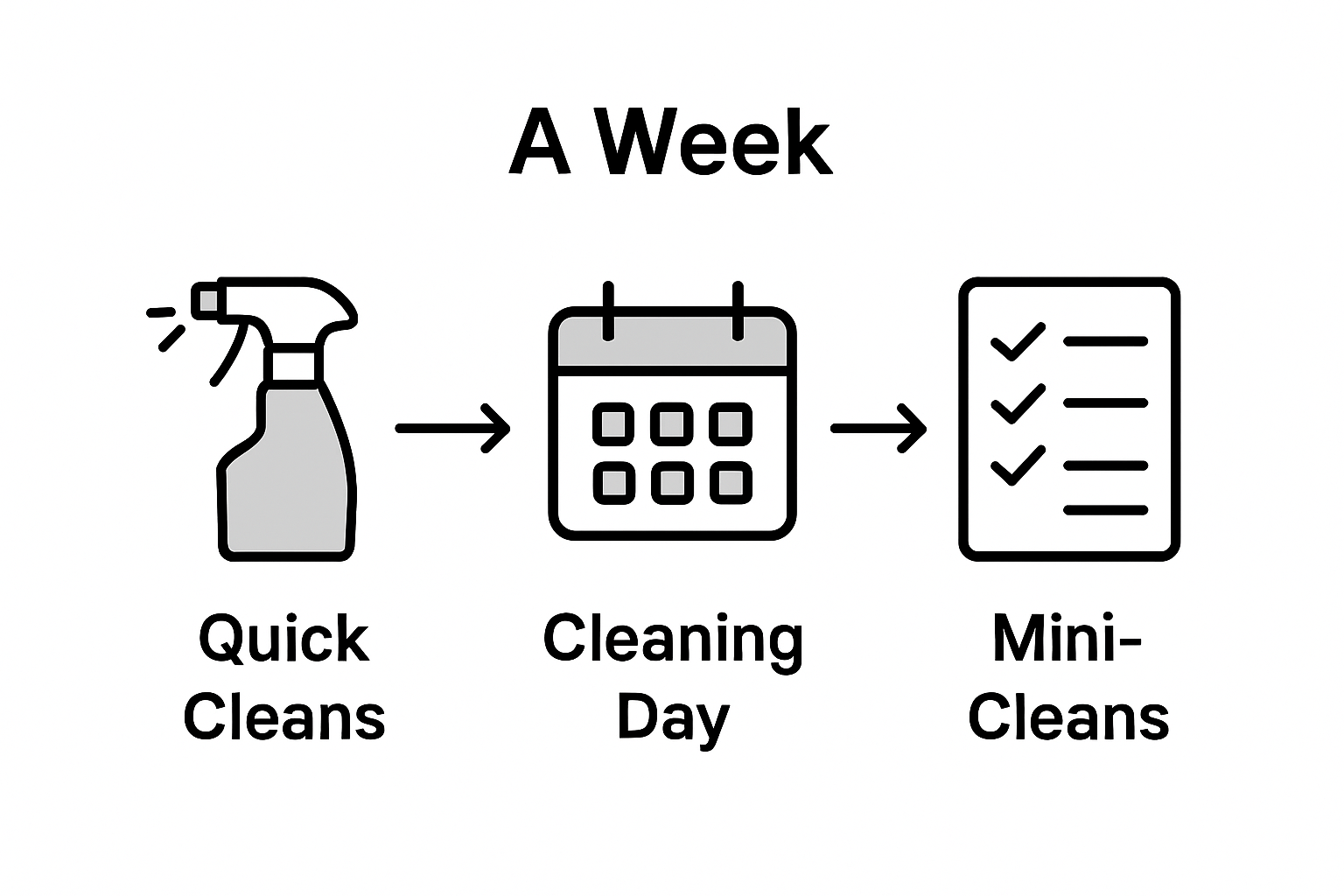
Keep Your Home Clean and Organized Between Professional Services
Maintaining a spotless home after a professional cleaning can feel overwhelming. This article highlights the challenge of building simple daily habits and tackling quick wipe-downs to prevent clutter and dirt from piling up. If you want to avoid stress and lengthy cleanup sessions, cultivating consistent routines and understanding smart clutter control is essential. You deserve to enjoy the comfort of a clean home without the constant hassle.

Discover expert advice and proven strategies tailored for busy lifestyles on the Expert House Cleaning Tips & Tricks | The Maid Society Blog. When combined with our trusted The Maid Society professional services, you can reclaim your time and reduce stress knowing your home remains fresh and well cared for. Start now by exploring our range of services designed to support your upkeep and keep your living space beautiful every day.
Frequently Asked Questions
How do I maintain my home after a cleaning service?
To maintain your home after a cleaning service, develop consistent daily habits. Focus on core areas by promptly washing dishes, wiping down counters, and doing quick high-traffic surface checks each day.
What daily tasks should I prioritize to keep my home clean?
Prioritize tasks such as making your bed, putting away clothes, and regularly sanitizing high-touch surfaces like doorknobs and light switches. Spend just 5-10 minutes on these tasks every day to ensure ongoing cleanliness.
How can I organize my home to prevent clutter build-up?
To prevent clutter build-up, implement a simple sorting system for incoming items. Designate specific zones for common items like mail and keys, and aim to spend about 10 minutes daily addressing any clutter that may accumulate.
What steps can I take for quick clean-ups between professional services?
For quick clean-ups between professional services, focus on high-traffic areas like kitchen counters and living rooms. Set aside 10-15 minutes each day for targeted tasks like vacuuming crumbs and wiping surfaces to maintain a fresh environment.
How often should I spot-check high-contact surfaces?
You should spot-check high-contact surfaces daily to maintain hygiene. Spend 2-3 minutes quickly wiping doorknobs, handles, and other frequently touched areas to significantly reduce bacteria accumulation.
What is the one-in-one-out rule for clutter management?
The one-in-one-out rule means that whenever you bring a new item into your home, you must remove a similar item. This practice helps maintain balance and prevents unnecessary accumulation, making it easier to keep your space organized.



Get Cleaning Tips & Exclusive Offers
Join our community for time-saving hacks and special discounts delivered to your inbox.